Spokane, WA
Water Damage Restoration in Spokane
A licensed restoration crew near you can extract the water, dry the structure and rebuild what has to come out. Call and describe what happened.
Have your ZIP code ready. A local restoration pro answers.
Updated November 12, 2026
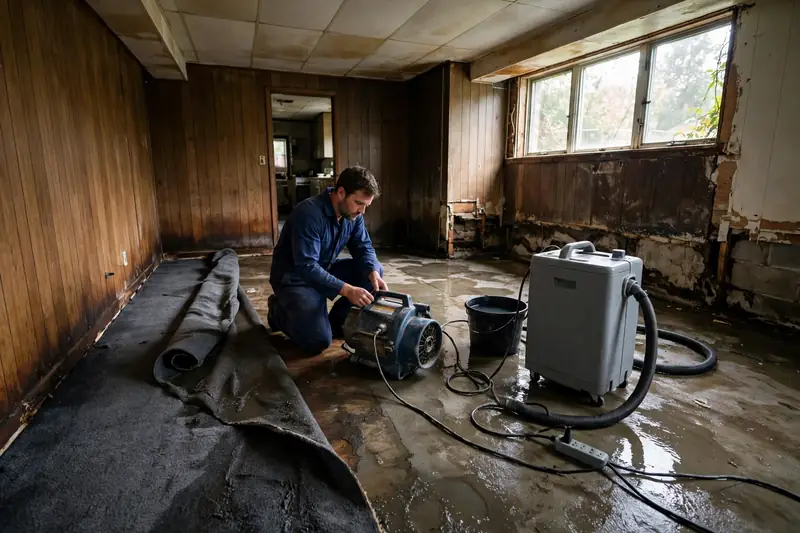
A brown ring spreading across a ceiling on the South Hill. A soaked carpet in a Valley rambler after the washing machine hose let go. A cold basement wall that looks fine but smells like wet cardboard. Water damage restoration is the work of getting that water out of the structure, drying what can be kept and rebuilding what cannot. The sooner a crew starts, the smaller that last part gets.
Water still spreading? Talk to a local restoration pro now.Have your ZIP code ready. A local restoration pro answers.
Call (509) 555-0134What water damage looks like once it is inside your house
Standing water is the easy case. You can see it, so you act on it. The harder cases are the ones that hide.
Water wicks upward through drywall and baseboard. A pipe that failed behind a bathroom wall can wet the framing on the other side of the room before anything shows on the surface. Look for paint that bubbles or peels, baseboards that lift away from the wall, hardwood that cups at the edges, and carpet that feels cool or damp underfoot long after you thought it dried.
Winter makes this trickier in Spokane. Forced-air heat dries the indoor air so much that a wet wall can feel almost normal to the touch while the studs behind it stay saturated. A moisture meter tells the truth. Your hand does not.
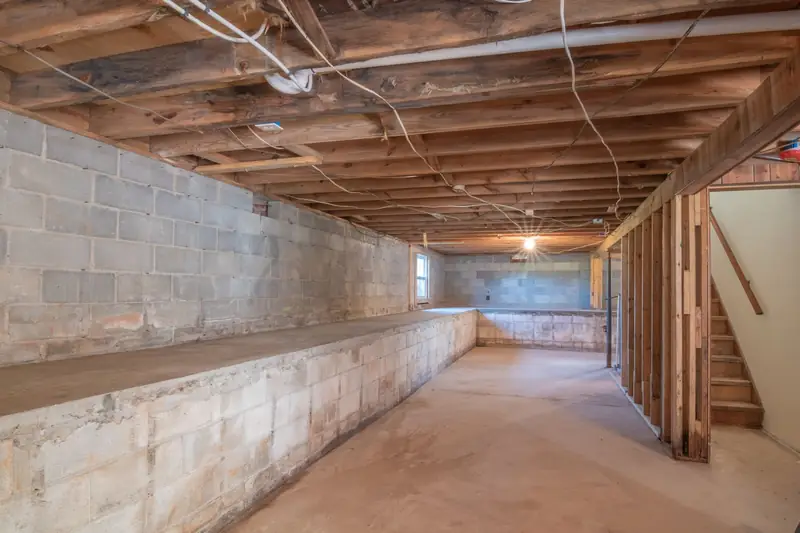
Older homes add their own wrinkles. Plaster and lath ceilings in pre-war houses can sag and fall in sheets when they absorb water. Houses with finished basements often have carpet over a concrete slab, and that combination traps moisture for weeks.
Why homes here get wet
A handful of causes account for most of the calls in this area.
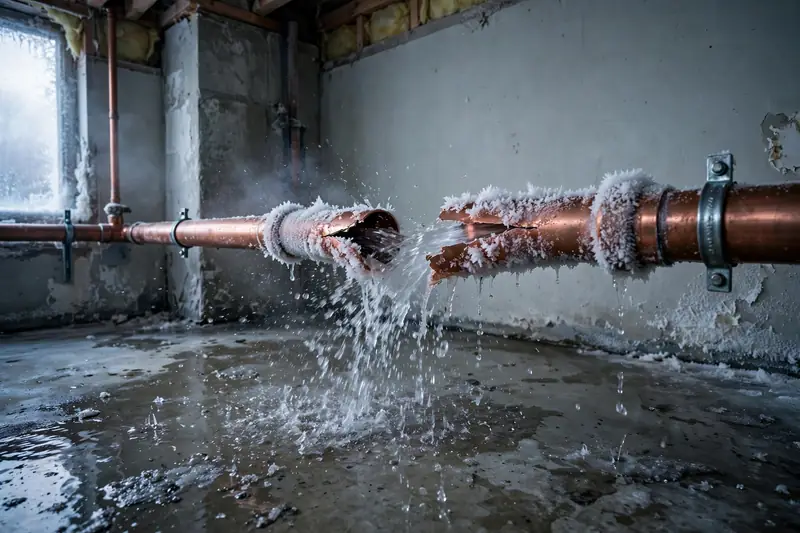
Freeze damage. Cold snaps that drop into the teens or single digits split supply lines in unheated crawlspaces, garages, exterior walls and vacation homes. The City of Spokane sets 24 inches as the frost depth for footings, but plenty of plumbing sits closer to the cold than that. The failure often happens during the thaw, when ice melts and the split starts running.
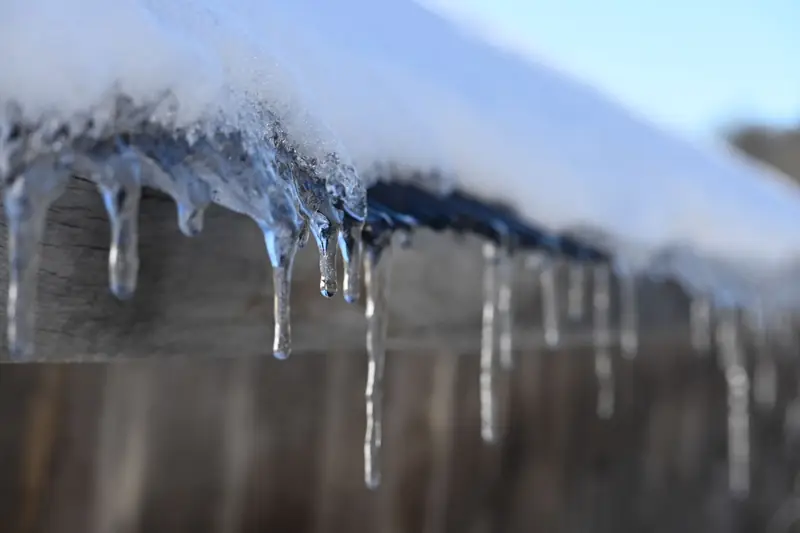
Snow and ice on the roof. Heavy-snow winters build ice dams along the eaves. Meltwater backs up under shingles and drips into attic insulation, then stains the ceiling below.
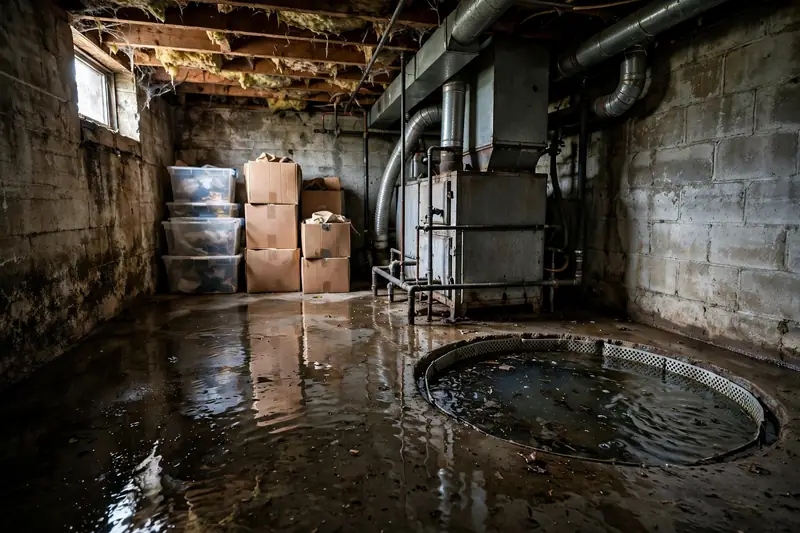
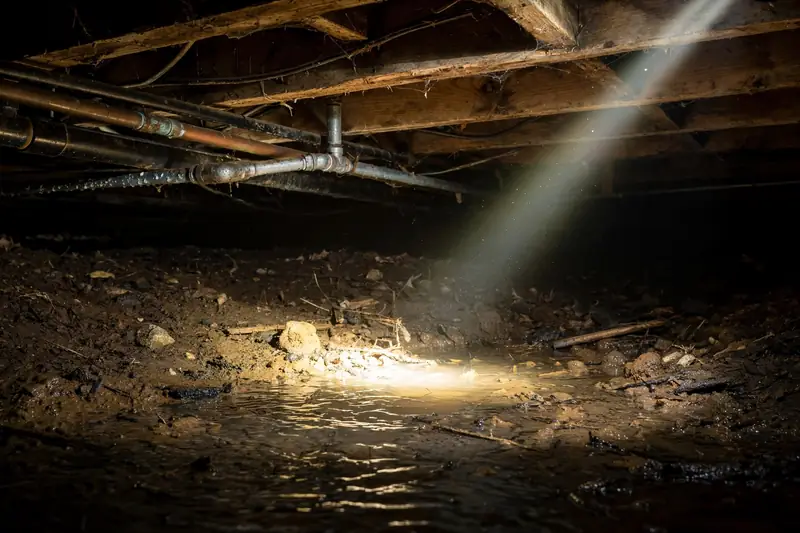
Spring runoff. March and April bring snowmelt and rain-on-snow weeks. Saturated ground pushes groundwater against foundations, and a window well or a floor drain becomes the way in.
Aging pipes. Galvanized supply lines, cast-iron drains and clay sewer laterals in neighborhoods like Browne's Addition and Hillyard wear out from the inside. Many 1950s to 1970s homes in the Valley still have original washing machine hoses, water heater connections and toilet supply lines.
Appliances. Water heaters, dishwashers, refrigerator ice-maker lines and washing machines cause a steady share of losses all year, not just in winter.
Not sure how bad it is? A short call usually tells you.Have your ZIP code ready. A local restoration pro answers.
Call (509) 555-0134What the local pros do, step by step
Every company has its own routine, but a competent crew follows roughly this order.
- Stop the source. Someone finds the main shutoff, kills power to wet circuits if there is any doubt about safety, and confirms the leak has stopped.
- Walk the loss. The tech photographs everything and maps the wet area with a moisture meter and, often, a thermal camera. This map decides how many fans and dehumidifiers the job needs.
- Extract. Pumps and truck-mounted or portable extractors pull standing water. Carpet and pad are lifted or pulled out if they cannot be saved.
- Tear out what will not dry. Wet insulation, soaked drywall (often cut a couple of feet above the waterline), saturated baseboard and contaminated padding go to the dumpster.
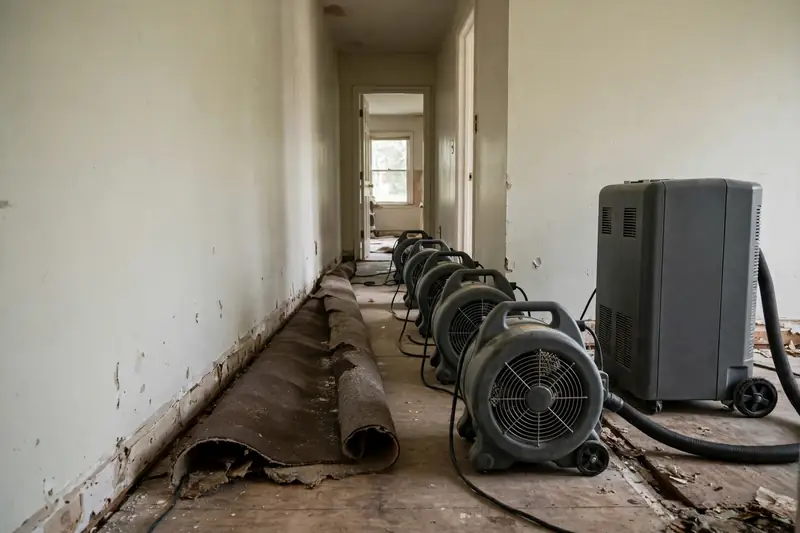
- Set up drying. Air movers push air across surfaces, and dehumidifiers pull moisture out of the room. Wall cavities may get small holes or injected air so the framing dries, not just the face of the wall.
- Monitor. The crew returns daily to check readings, move equipment and shut down units that have finished their job.
- Clean and treat. Surfaces are cleaned and, when the water wasn't clean to start with, treated with an antimicrobial.
- Confirm dry. Final readings are compared to an unaffected area of the house. Dry means matching the baseline, not feeling dry.
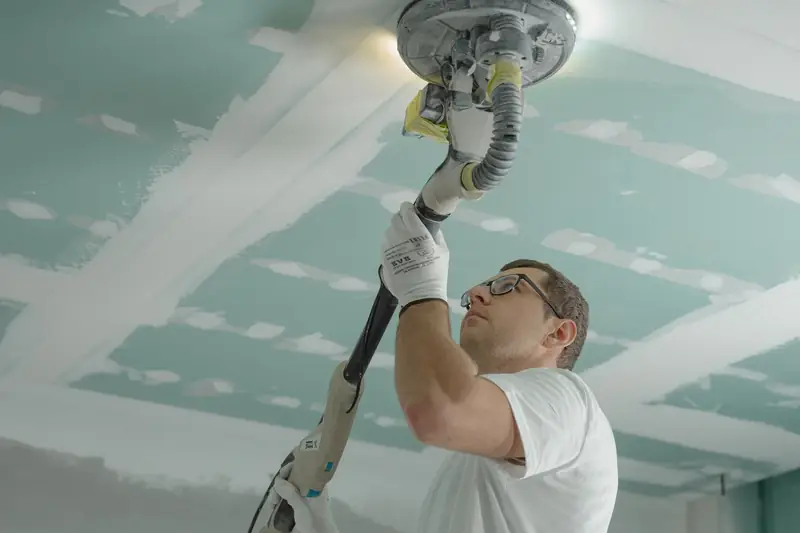
- Rebuild. Drywall, insulation, flooring, paint and trim go back in. This is often a second contract.
If you want to understand how the first stage and the second stage are priced and scheduled differently, the post on water mitigation vs restoration breaks it down.
What water damage restoration costs in Spokane
Costs vary, and the final number comes after someone looks at the loss. Square footage, water category and building materials move the total, and the inspecting company gives you the real figure, ideally on an itemized estimate you can compare with your insurer's.
| What affects the cost | Why it matters |
|---|---|
| Water category | Clean, gray and black water carry different handling and disposal requirements. |
| Square footage affected | More wet area means more air movers, dehumidifiers and labor hours. |
| Building materials | Hardwood, plaster, carpet and drywall each dry, or fail, in their own way. |
| Moisture mapping | Meters and thermal imaging show how far the water traveled, which sets the scope. |
| Contents | Furniture and belongings may need to be packed out and stored while the room is dried. |
| Drying only or rebuild too | Mitigation comes first. Rebuilding drywall, flooring and paint is a second stage. |
| Drying time, typical clean-water job | 3 to 5 days. |
Equipment is usually built into the job rather than billed separately. A longer, more detailed breakdown lives in the water damage restoration cost guide for Spokane.
Signs you have an emergency, and what to do right now
Treat it as urgent if any of these are true:
- Water is still flowing and you cannot stop it.
- Water is near outlets, a panel, or has reached a wall switch.
- The water came from a toilet, a sewer line or the outdoors.
- A ceiling is bulging or dripping steadily.
- Anyone in the home has breathing trouble, or the house smells strongly of gas.
If you smell gas, leave and call 911 and Avista. For everything else, work through this list while you wait for a crew:
- Shut off the water at the main valve.
- If water has touched electrical equipment, turn off power at the panel only if you can reach it without stepping in water. Otherwise stay out and call an electrician or the utility.
- Lift small items, rugs and furniture legs out of the wet area. Put foil or wood blocks under furniture feet.
- Take photos and short video before you move or throw anything away.
- Open cabinet doors and closet doors so air reaches wet walls.
- Call a restoration crew and describe where the water came from.
Do not run a standard vacuum on wet carpet, and do not turn the furnace up to bake the house dry. Heat without airflow and dehumidification pushes moisture deeper into materials.
Need someone to look at it today?Tell them your ZIP and what happened. A local pro picks up.
Call (509) 555-0134Insurance and water damage
Many homeowners policies cover sudden and accidental water damage, such as a pipe that bursts or an appliance that fails. They generally do not cover slow leaks that went on for months, and they usually exclude flood water that comes in from outside. That kind of loss typically needs a separate flood policy. What your policy actually says depends on its wording and your deductible, so read it or call your agent.
Take photos, keep receipts, and report the loss promptly. Do not throw away damaged materials until the adjuster has had a chance to see them or you have photographed them thoroughly. For more detail on how Washington policies tend to treat water losses, read whether homeowners insurance covers water damage in Washington.
Where crews work
Crews cover the whole Spokane metro area and North Idaho. Older housing in South Hill and Hillyard tends to bring plaster, basements and aging drain lines into the picture. Out in Spokane Valley and Liberty Lake, slab-on-grade homes and newer finishes call for different drying methods. Cheney sees its share of rental-property losses where a tenant is away when something fails.
If the water is still arriving, start with emergency water extraction. If a frozen line is the culprit, see burst and frozen pipe cleanup.
Water still spreading? Talk to a local restoration pro now.Have your ZIP code ready. A local restoration pro answers.
Call (509) 555-0134Sources and official resources
Service area
Water Damage help across the Spokane area
Choose your town or neighborhood for local details, ZIP codes and permit offices.
Spokane neighborhoods
Spokane County, WA
North Idaho
Homeowner guides
Guides about water damage
FAQ
Common questions
Straight answers to what Spokane homeowners ask most. Still unsure? Call and ask a local pro.
Call (509) 555-0134How long does water damage restoration take in Spokane?
Drying a typical clean-water job takes 3 to 5 days. Rebuilding is a separate stretch that depends on how much drywall, flooring and paint has to be replaced. Small jobs wrap up in a week or so, larger ones can run a few weeks.
Do I need to move out while the equipment runs?
Usually not. Most families stay put and live around the fans. If the water was sewage, if the affected area is where you sleep, or if the power has to stay off for repairs, the crew may suggest staying elsewhere for a few nights.
Can I just run my own fans and a dehumidifier from the hardware store?
For a small spill on a hard floor, maybe. For anything that reached drywall, padding or a subfloor, household fans move air but do not pull moisture out of wall cavities. Crews use meters to prove the structure is dry, and that proof matters if mold shows up later.
Will the crew deal with my insurance company?
Many crews will document the loss with photos, moisture logs and an itemized estimate that your adjuster can review. You still file the claim yourself and you are still the one your insurer talks to. Ask the crew what paperwork they provide before work starts.
What is the difference between mitigation and restoration?
Mitigation is the emergency stage: stop the source, remove water, tear out what cannot be saved and dry the rest. Restoration is the rebuild afterward. Some companies do both, others hand off to a separate contractor.
Is the water in my house dangerous?
Clean supply-line water is the lowest risk. Water that came from a toilet, a sewer line or floodwater from outside should be treated as contaminated. Stay out of it, keep kids and pets away, and wait for a crew to handle it.
Should I throw away wet belongings?
Move what you can to a dry room and photograph everything before tossing it. Porous items that sat in contaminated water usually go. Furniture, books and papers from clean water can sometimes be saved if they are dried quickly.
Need water damage help now?
Call now and a licensed restoration pro near you can walk you through the next hour and set up a visit.