Homeowner guide
Ceiling Water Damage Repair Cost in Spokane Explained
A brown stain or a sagging patch overhead is a small repair if you catch it early and a bigger one if you wait.
Have your ZIP code ready. A local restoration pro answers.
Updated November 11, 2026 · 4 min read
Ceiling water damage costs vary with how much drywall or plaster is wet, whether insulation soaked through and how much finish work the room needs afterward. A single stained panel with the source already fixed is a small job, and a ceiling that came down or a leak that reached the floor above is a large one. The company that inspects the ceiling with a moisture meter gives you the real figure in writing.
Water still spreading? Talk to a local restoration pro now.Have your ZIP code ready. A local restoration pro answers.
Call (509) 555-0134What changes the cost of a ceiling repair
| Cost factor | Pushes cost up when | Keeps cost down when |
|---|---|---|
| Ceiling material | Plaster and lath must be cut and matched | Modern drywall comes down and goes back up cleanly |
| Insulation | Wet attic insulation has to be removed | The insulation stayed dry |
| Size of damage | A sagging section or the whole ceiling is affected | One panel is stained |
| Source | An upstairs bathroom or an ice dam keeps feeding it | The source is fixed and stopped |
| Finish work | Texture must be matched and the whole ceiling repainted | A flat finish is easy to blend |
| Time wet | Weeks of dripping soaked the framing | The stain was caught early |
| Floors above | Subfloor, tile or cabinets are involved | The leak came from the roof or attic only |
The roof or plumbing repair is not part of drying and drywall work. Treat it as a separate bill.
How the details change a Spokane ceiling job
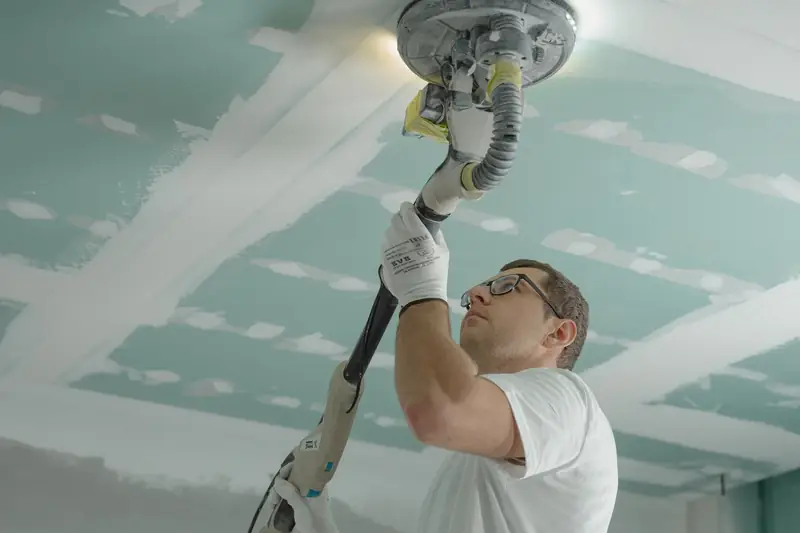
Drywall versus plaster. Modern drywall comes down quickly and goes back up quickly. Plaster and lath is heavier, harder to cut and harder to match. Many homes from the early 1900s on the South Hill, in Browne's Addition and in Logan still have it.
Insulation. Wet insulation holds moisture against the drywall long after the source stops. Blown-in cellulose, common in attics, has to come out when soaked.
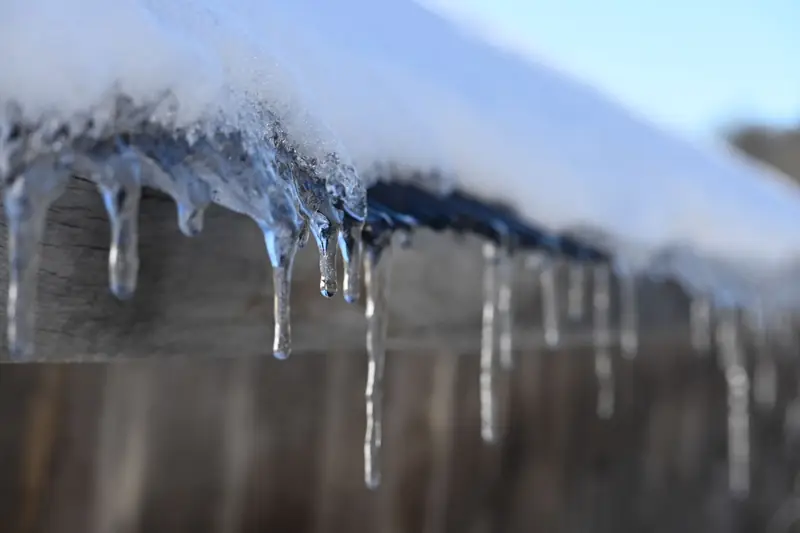
Ice dams. In snowy winters, ice at the roof edge forces meltwater under shingles, and it shows up at the exterior wall tops. After a heavy-snow winter, the same house may show leaks in several rooms. Homes around Spokane Valley and Otis Orchards with low-slope additions or poor attic ventilation are common examples.
Texture and paint. Matching a popcorn, knockdown or orange peel texture is a skill, and on some jobs the finish work is a significant share of the invoice.
Second-floor source. A leak from an upstairs bathroom adds subfloor, tile and sometimes cabinets to the picture. Our water damage restoration cost guide covers multi-room jobs.
Not sure how bad it is? A short call usually tells you.Have your ZIP code ready. A local restoration pro answers.
Call (509) 555-0134Line items on a ceiling estimate
| Estimate line item | What it covers |
|---|---|
| Moisture mapping and thermal imaging | Finding how far the water traveled above and beside the stain |
| Ceiling drywall removal | Cutting out the wet section and bagging it |
| Wet insulation removal | Pulling soaked batts or blown-in material and disposing of it |
| Drying equipment | Air movers and a dehumidifier, counted by unit and by day |
| Drywall hang, tape and finish | New board, mud and sanding |
| Primer and paint | Sealing the repair and painting to a clean edge |
| Texture matching | Reproducing the existing ceiling pattern |
| Floor and furniture protection | Drop cloths, plastic and moved furnishings |
| Debris haul-off | Taking away demolition waste |
How insurance usually handles it
Many homeowners policies cover water damage from a sudden and accidental event, such as a burst pipe above the ceiling or wind-driven rain after a storm damaged the roof. They often do not cover damage from a slow leak or from long-term wear. If the roof was neglected, an insurer may deny it. A claim for a small stain often will not clear your deductible, so weigh the written estimate against it first. Photograph the damage before anything is touched, and read how the insurer treats water heater and appliance leaks for an example of what they ask to see.
How to avoid overpaying
- Find the source first. Repairing the ceiling before the leak is stopped means paying twice.
- Ask for moisture readings of the drywall and the framing above it.
- Ask for a written, Xactimate-style estimate that separates drying, drywall and paint.
- Check registration. Contractors in Washington can be verified on the L&I website, and Idaho contractors on the DOPL site.
- Get painting quoted by the room, not as an unclear lump sum.
For roof-related causes, our roof leak water damage page explains what a crew looks for.
Need someone to look at it today?Tell them your ZIP and what happened. A local pro picks up.
Call (509) 555-0134A worked example: the upstairs bathroom drain
Imagine a tub overflow gasket that fails and drips into the dining room ceiling for several weeks. The paint bubbles, a brown ring appears and one panel starts to sag. The crew cuts out a section, removes wet insulation, dries the cavity for three days and hangs new board. After taping, texture matching, primer and paint, the invoice covers drying and finish in one package. If the stain had been repainted and ignored, the tub subfloor could have rotted and turned a modest repair into a major one.
Is it safe to stay in the room
Sagging ceilings can fall without warning. Keep people and pets out from underneath, and do not turn on a light fixture that is wet. A small stain that is dry to the touch is a lower risk than a wet, bulging panel, but both deserve a closer look soon.
What to do right now
- Place a bucket under any drip and move furniture away.
- If the ceiling is bulging, poke a small hole at the lowest point over a bucket, standing clear.
- Turn off the light fixture and the breaker for that room.
- Photograph the stain from several angles with a dated phone shot.
- Mark the edge of the stain with a pencil to see if it grows.
- Call a local crew.
Water still spreading? Talk to a local restoration pro now.Have your ZIP code ready. A local restoration pro answers.
Call (509) 555-0134Sources and official resources
Related
Services and areas for this guide
Homeowner guides
Keep reading
FAQ
Common questions
Straight answers to what Spokane homeowners ask most. Still unsure? Call and ask a local pro.
Call (509) 555-0134Should I poke a hole in a bulging ceiling?
Often yes, if a bubble of water is sagging the drywall. A small hole over a bucket lets it drain in a controlled way instead of letting the whole panel fall. Stay out from underneath and turn off the light fixture first.
Does ceiling water damage mean the roof leaks?
Not always. Bathroom and kitchen plumbing, an HVAC condensate line or condensation in the attic can produce the same stain. Finding the source comes before any repair.
Do I have to repaint the whole ceiling?
Usually the whole ceiling, or at least edge to edge in that room, because a patch of fresh paint shows against old paint, especially on flat sheen.
How long before the repair can be done?
Drying usually takes several days, and the crew confirms dryness with a meter. Drywall finishing, with coats of mud and primer, adds more days.
What about popcorn ceilings?
Older textured ceilings may contain asbestos, depending on age. Have a sample tested before disturbing it. A restoration pro can tell you what applies.
Water where it shouldn't be?
Call now and a licensed restoration pro near you can walk you through the next hour and set up a visit.