
Spokane neighborhood
Water Damage Restoration in Manito and Cannon Hill, Spokane
Tudor, colonial and craftsman houses around two of the city's best-known parks, many with original plumbing still in the walls.
Have your ZIP code ready. A local restoration pro answers.
- ZIP codes
- 99203
- County
- Spokane County
- From downtown Spokane
- about 2 miles
- Building permits
- City of Spokane Development Services Center
- Contractor check
- Washington L&I contractor lookup
- Estimates
- Written estimate after an on-site inspection
Updated November 12, 2026
Manito Park opened in 1904 and now covers an area bounded roughly by 17th and 25th avenues, Grand Boulevard and Bernard Street. The park and its boulevard were listed on the National Register in 2015. Next to it is Cannon Hill Park, with a pond, a bridge and the old brickyard history that left it a bowl in the ground. The houses around them are in ZIP code 99203.
A neighborhood of period revival design
Around the parks, homes were built mostly between about 1905 and 1940. Look at the blocks on Grand Boulevard, 21st Avenue and the streets leading toward Cannon Hill and you see Tudor revival, Colonial revival, Spanish-influenced stucco and big craftsman houses with deep porches. Many have brick or stone foundations, hardwood floors, plaster walls and full basements with a coal chute that has been bricked over.
The Olmsted Brothers firm laid out the Cannon Hill area in 1907, and that plan gave the district its curving streets and its park setting. The same quality that makes the houses valuable also makes water damage more expensive, since plaster, millwork and leaded glass cost more to fix than standard drywall and trim.
Where these homes leak
Original supply lines behind plaster
Galvanized steel from the 1920s and 1930s fails slowly, and it fails inside the wall. A small leak at a joint can soak lath for weeks. The plaster then bows, stains or drops in a sheet. For this kind of event, burst pipe cleanup explains how a crew finds and dries the cavity.
Tile laterals and big trees
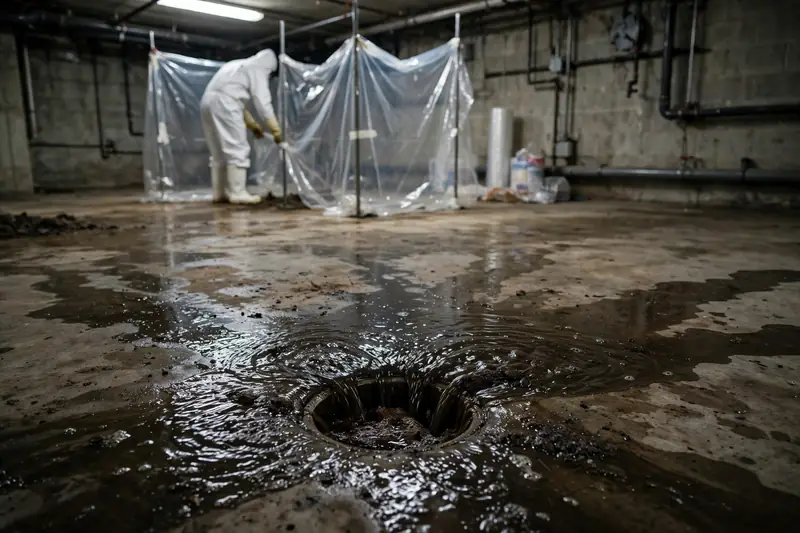
The street trees around Manito are large and old. They also love the joints in clay tile sewer lines. A slow floor drain and a gurgle from the basement toilet often mean roots, not a plumbing fixture problem. If the line backs up into living space, the cleanup is a sewage job, with disinfection and removal of porous materials.
Basement walls and window wells
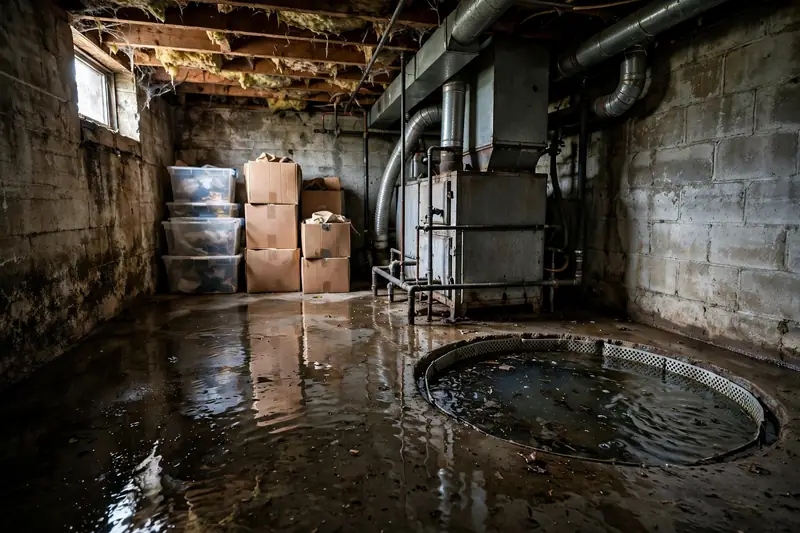
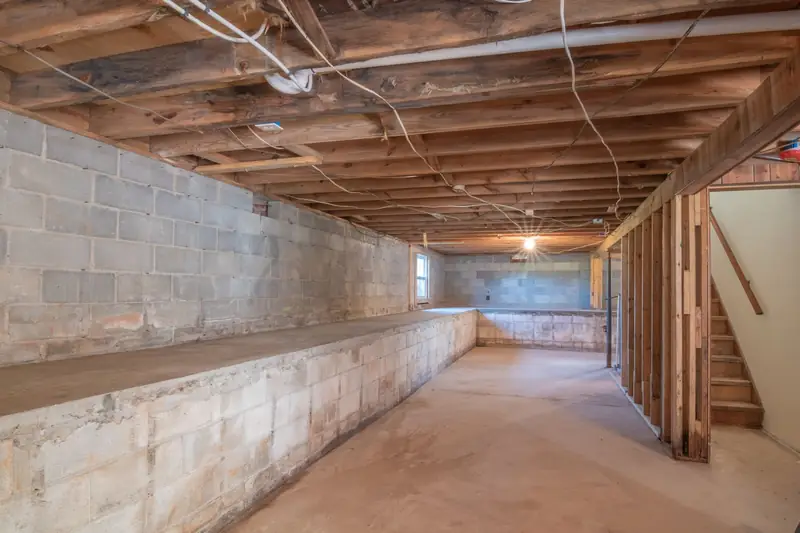
The hill drains toward lower ground in spring. Homes with fieldstone or early concrete walls and sunken windows catch that water along the base of the wall. A stained efflorescence line, white and powdery on the wall, is a clue that moisture has been working through for years.
Roof valleys and chimneys
Complex roofs with chimneys, dormers and valleys are charming and leaky. Flashing that was fine 20 years ago can open up in a winter freeze cycle. A stain near a chimney breast on an upper floor is the classic sign.
Not sure how bad it is? A short call usually tells you.Have your ZIP code ready. A local restoration pro answers.
Call (509) 555-0134A tip for the historic-minded
If you own a house in the Cannon Hill historic district or a National Register boulevard, take dated photographs of original features (trim, built-ins, plaster medallions) before anything goes wrong. After a loss, those photos support an insurance claim for like-kind repair and help the crew know what is worth saving.
Water still spreading? Talk to a local restoration pro now.Have your ZIP code ready. A local restoration pro answers.
Call (509) 555-0134What the work usually involves
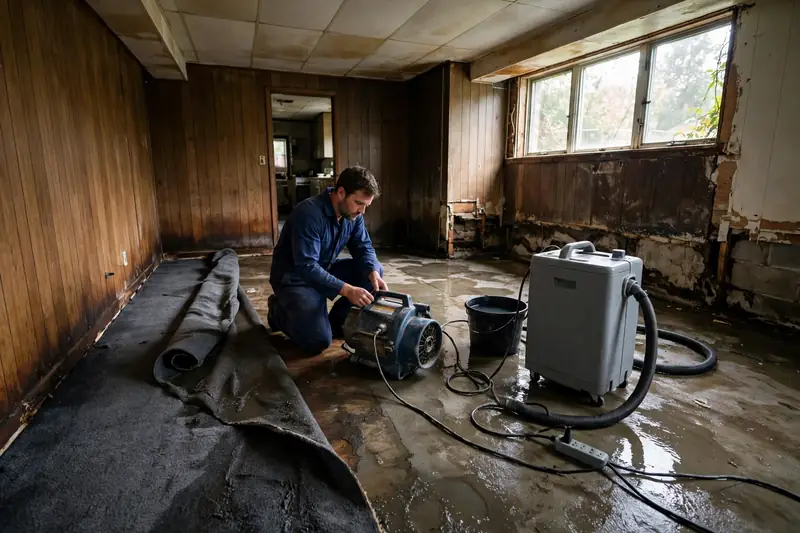
A licensed restoration crew near you will confirm the moisture pattern, stop the source and dry what can be saved. Careful work in older houses takes more time, and the plaster, millwork and leaded glass make the rebuild side of a period house larger than in a newer one. A mold inspection, if you need one, is scoped and quoted separately. Ask the crew for a written figure after the inspection and before the work begins.
For insurance, many homeowners policies respond to sudden and accidental water damage and not to long-term seepage. Flood from rising water outside needs its own policy.
Keep reading
If water is pooling in the lower level, see basement flooding. If a stain has been around for weeks, mold remediation is the page to read. For the overall steps of a job, there is water damage restoration.
Two helpful posts: mold testing versus mold remediation and what water damage restoration costs in Spokane.
Sources and official resources
Services in Manito
What Manito homeowners call about
Tap a service for causes, cost factors and next steps.

Nearby
Areas near Manito
Homeowner guides
Guides for Manito homeowners
FAQ
Common questions
Straight answers to what Spokane homeowners ask most. Still unsure? Call and ask a local pro.
Call (509) 555-0134Can plaster walls be saved after a leak?
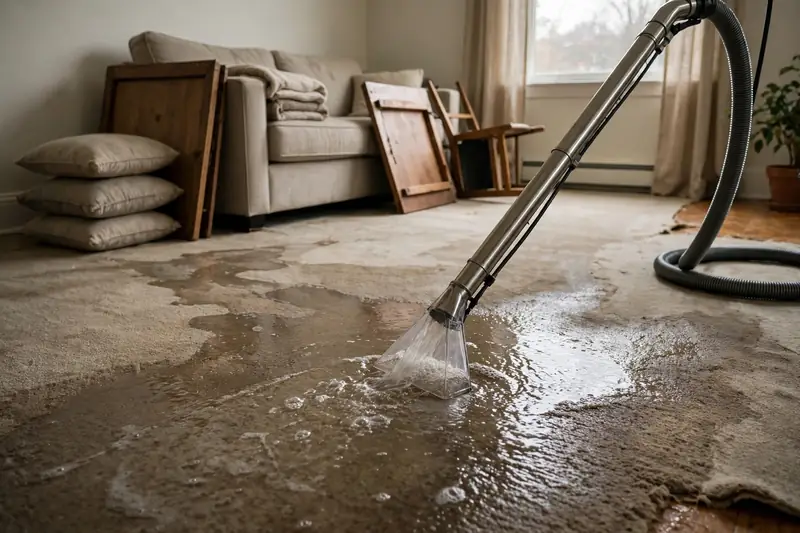
Often, yes. Plaster over lath can be dried in place if the water was clean and the crew acts within a couple of days. Soft, crumbling or bowed plaster usually has to come down.
How do crews handle homes with old knob and tube wiring?
Carefully. If water reached wiring in the wall, have an electrician inspect it before the power goes back on. Do not assume it is safe because the outlet looks dry.
Do I need a permit to repair plumbing after water damage in Spokane?
Replacing a pipe or fixture generally requires a plumbing permit through the City of Spokane Development Services Center. The plumber you hire normally pulls it.
My basement smells musty but is not wet. Is that a problem?
It can be. A musty smell often means hidden moisture or early mold growth behind finishes. A moisture reading or a mold test tells you what you are dealing with before any tear-out is decided.
Will drying damage original hardwood floors?
Fast, uncontrolled drying can cup or crack them, which is why many crews use slower, monitored methods on old oak and fir. Ask how they plan to protect the floors.
Water damage in Manito?
Call now and a licensed restoration pro near you can walk you through the next hour and set up a visit.