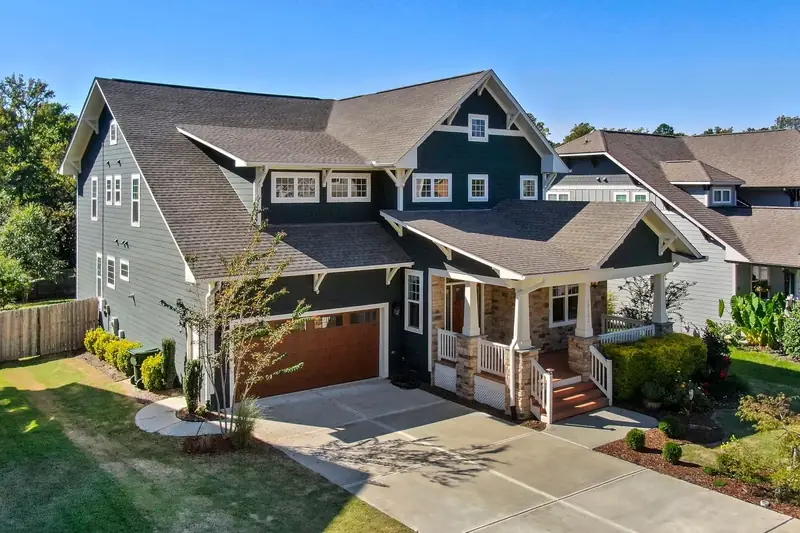
Spokane neighborhood
Water Damage Repair on Spokane's South Hill
Brick, stone and craftsman houses on the bluff have lasted a century. Their pipes and foundations have not always kept pace.
Have your ZIP code ready. A local restoration pro answers.
- ZIP codes
- 99203, 99223
- County
- Spokane County
- From downtown Spokane
- about 2 miles
- Building permits
- City of Spokane Development Services Center
- Contractor check
- Washington L&I contractor lookup
- Estimates
- Written estimate after an on-site inspection
Updated November 12, 2026
South Hill is the part of Spokane that looks like it was built to last, and mostly it was. The trouble is what runs inside and underneath those solid houses. This page covers the water problems that show up most often between downtown's bluff edge and the Lincoln Heights shopping area, in ZIP codes 99203 and 99223.
What the houses are made of
The hill filled in from the 1890s onward, so a single block can hold a Queen Anne, a brick Tudor revival, a craftsman bungalow and a 1950s brick rancher. Streets near Grand Boulevard and Rockwood Boulevard have many homes from the first decades of the 1900s, and the Rockwood Historic District alone has around 350 houses, most built before 1950. Plenty of these have full basements with fieldstone or early concrete walls and original plumbing that has been patched many times over.
That mix matters because each era fails differently. A 1910 house tends to leak at corroded galvanized supply lines and cast-iron drains. A 1955 rancher is more likely to have a copper line pinhole, a failed water heater or a washing machine hose.
Trouble spots on the hill
Old supply lines inside plaster walls
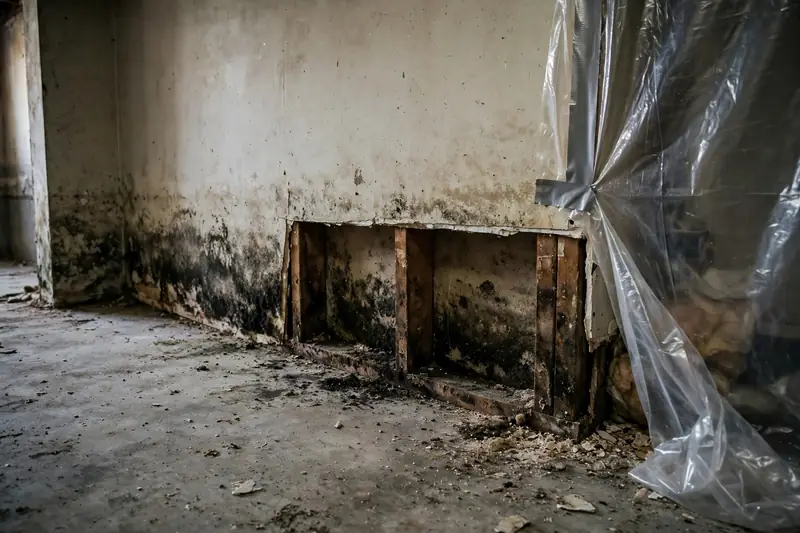
Galvanized steel rusts from the inside out. The pipe narrows, pressure drops, and then a thread joint weeps behind a wall. Because the leak is slow, plaster stays damp for weeks before a stain appears on the ceiling below. By then a crew is usually dealing with wet insulation and lath, not just a spot on the paint.
Clay and cast-iron sewer laterals
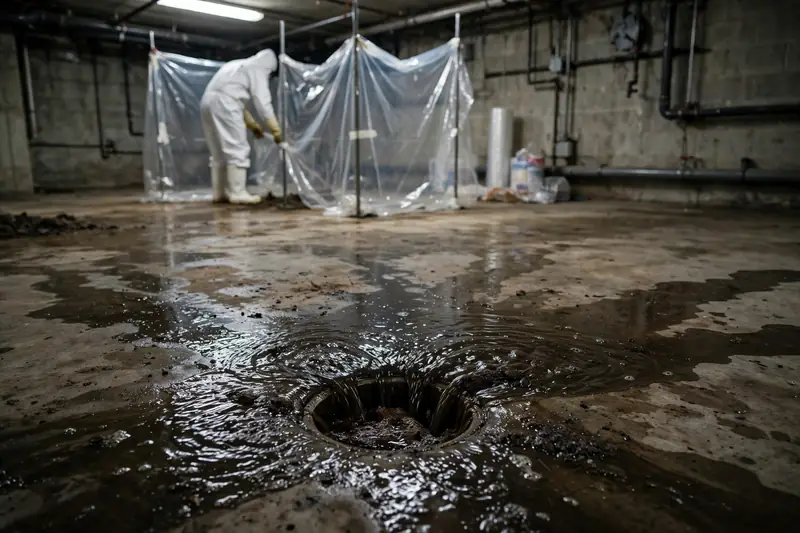
Tree roots love a clay joint. Mature maples and elms along the boulevards send fine roots into the line, and the first sign is often a slow basement floor drain or gurgling when the washer drains. A full backup is a sewage job, which is handled differently from clean water. See our page on sewage cleanup for how that goes.
Basement seepage on a slope
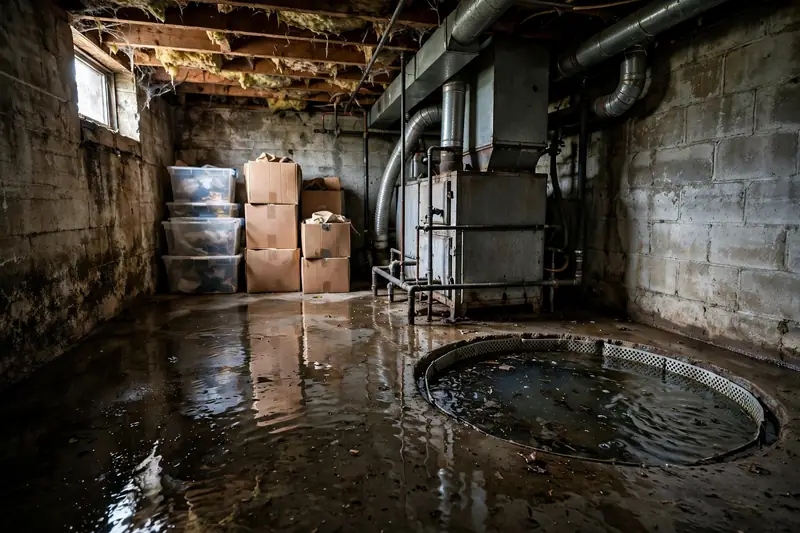
Much of the hill sits on basalt with clay pockets that trap water. Add rain-on-snow in March or April and that water looks for the lowest crack in your foundation. Homes on the downhill side of a street, and those with window wells below grade, get it first. Our write-up on basement flooding and spring snowmelt explains the timing.
Roof and ice dam leaks
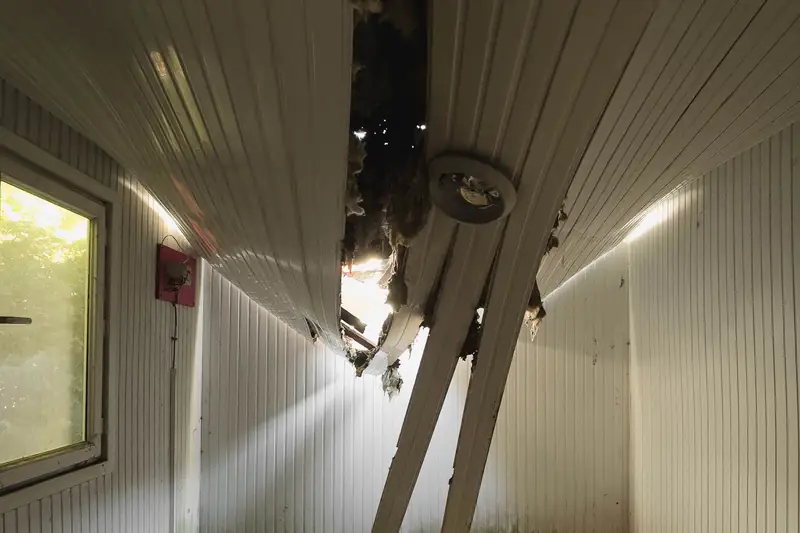
Steep roofs with valleys and dormers collect ice in heavy-snow winters. The water backs up under shingles and drips into attic insulation, then stains a second-floor ceiling. See roof leak water damage if that is what you are looking at.
Not sure how bad it is? A short call usually tells you.Have your ZIP code ready. A local restoration pro answers.
Call (509) 555-0134One practical tip for South Hill owners
Before you buy or after you inherit a house here, ask a plumber to run a camera through the sewer lateral from the house to the street. It costs a small fraction of a dig-up, it shows root intrusion and offset joints, and it tells you if you are one wet spring away from a floor drain problem.
Water still spreading? Talk to a local restoration pro now.Have your ZIP code ready. A local restoration pro answers.
Call (509) 555-0134What a crew does when you call
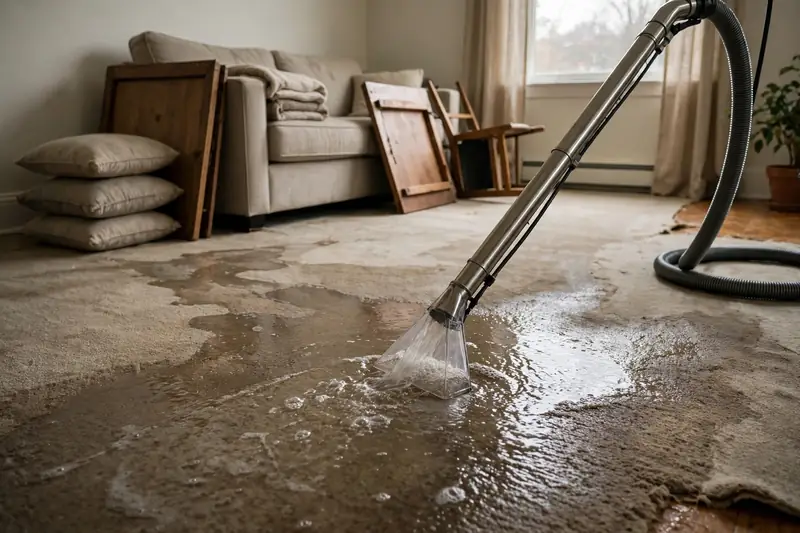
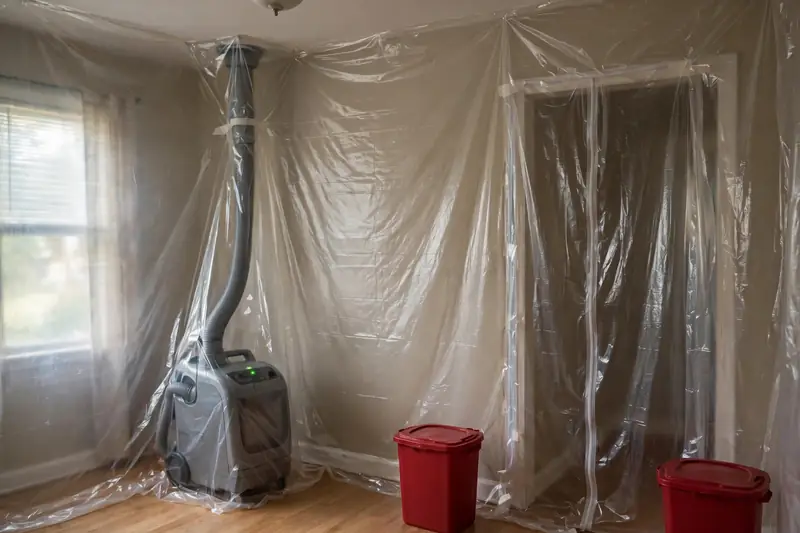
A licensed restoration crew near you will usually start with a moisture map, shut off the source if it is still running, pull out wet material that cannot be saved and set drying equipment. On the hill, the bill depends on how long plaster and lath stayed wet, since they dry slowly and may need to be opened, and a finished basement adds flooring and drywall. Costs vary with the house, and the real figure comes from the inspection, not a phone estimate; ask for it in writing first.
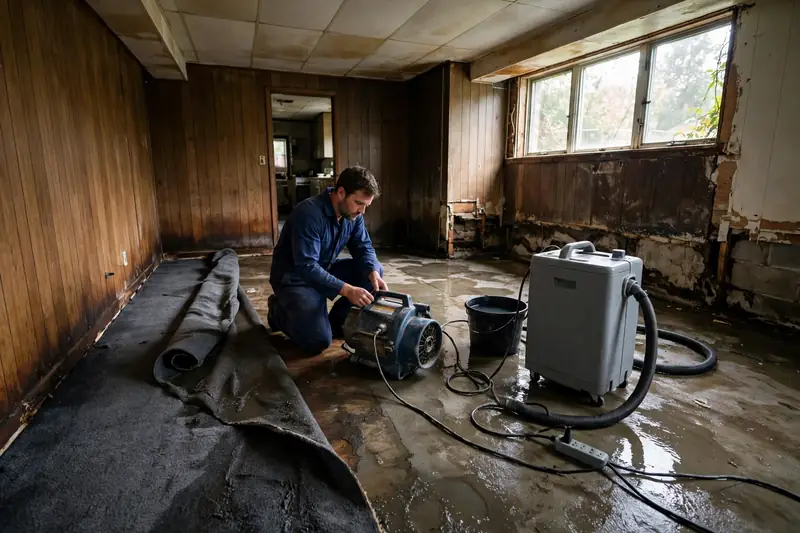
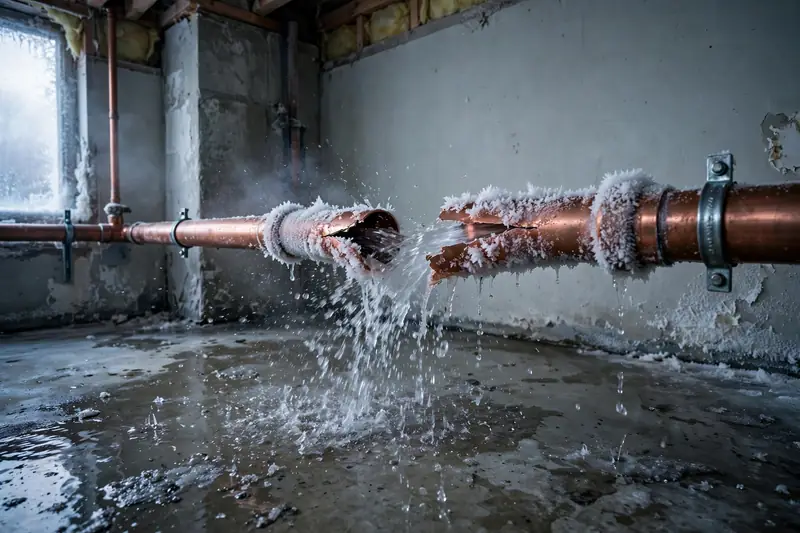
If you are weighing whether the work is worth it, start with the general overview of water damage restoration and our page on basement flood cleanup. For a burst line inside a wall, burst pipe cleanup is the closer match.
Reading more
If a pipe froze and split, what to do when pipes freeze walks through the first hour. The factors behind a typical bill are laid out in what drives water damage costs in Spokane.
Need someone to look at it today?Tell them your ZIP and what happened. A local pro picks up.
Call (509) 555-0134Insurance on the hill
Many homeowners policies cover sudden and accidental water damage, such as a pipe that bursts overnight, but not slow leaks or groundwater that comes through the foundation. Check your policy. Outside flooding generally needs separate flood insurance, and sewer backup is usually an add-on.
Sources and official resources
Services in South Hill
What South Hill homeowners call about
Tap a service for causes, cost factors and next steps.
Nearby
Areas near South Hill
FAQ
Common questions
Straight answers to what Spokane homeowners ask most. Still unsure? Call and ask a local pro.
Call (509) 555-0134Does the age of a South Hill house change how a crew dries it?
Yes. Plaster and lath walls hold moisture longer than modern drywall, and old hardwood floors can cup if they are dried too hard. A good crew checks wall cavities with a moisture meter before deciding what to open up and what to dry in place.
Why does my South Hill basement get damp even when it has not rained?
Water perches on basalt and clay layers under much of the hill, so it can travel sideways and show up at a foundation wall days after the weather has changed. A floor drain backing up or a damp stain at the base of a wall are the usual early signs.
Is a leaking galvanized pipe a plumber job or a restoration job?
Both, in order. A plumber stops the leak and replaces the failed section. Then a restoration crew dries the framing and removes anything that stayed wet. Doing it in the other order wastes the drying.
Will my insurance cover a sewer line backup?
Often only with a specific water backup endorsement added to the policy. A standard homeowners policy may exclude it, so read your declarations page and ask your agent before you assume.
How long does it take to dry out a South Hill basement?
A clean-water job in an unfinished basement commonly runs three to five days with air movers and dehumidifiers. Stone foundations and finished walls can add time.
Water damage in South Hill?
Call now and a licensed restoration pro near you can walk you through the next hour and set up a visit.