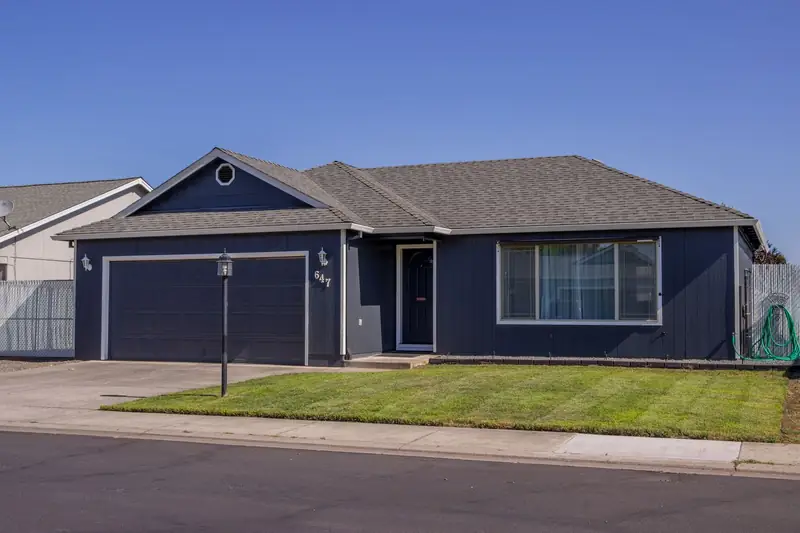
Spokane neighborhood
Water Damage Repair in Lincoln Heights, Spokane
Basalt ridges, winding streets and houses from three different eras sharing the same blocks.
Have your ZIP code ready. A local restoration pro answers.
- ZIP codes
- 99223
- County
- Spokane County
- From downtown Spokane
- about 3 miles
- Building permits
- City of Spokane Development Services Center
- Contractor check
- Washington L&I contractor lookup
- Estimates
- Written estimate after an on-site inspection
Updated November 12, 2026
Lincoln Heights is the commercial and residential crossroads of the South Hill, centered on the Lincoln Heights Shopping Center near 29th Avenue and Regal Street. ZIP code 99223 covers it. The neighborhood sits on basalt outcroppings and ridgelines, which is why its streets bend, climb and dead-end in ways the downtown grid never does.
Houses of three generations
The south and east parts of the neighborhood have early 1900s craftsman homes. Closer to the shopping area, blocks of mid-century ranchers and split-levels fill in, and some newer infill houses and condos sit near the arterials. The city's own neighborhood profile describes a mix of older and newer homes, mostly owner-occupied. Lincoln Park, a city park with a paved trail, marks the northern edge, and Altamont Circle once held a horse racing track. Its carriage house still stands.
Each generation brings its own plumbing and its own weak points. The craftsmans have original drains. The ranchers have copper from the 1950s through 1970s. The split-levels often have a finished lower level that was added or expanded after the house was built.
Common failures in this part of the hill
Water meeting rock
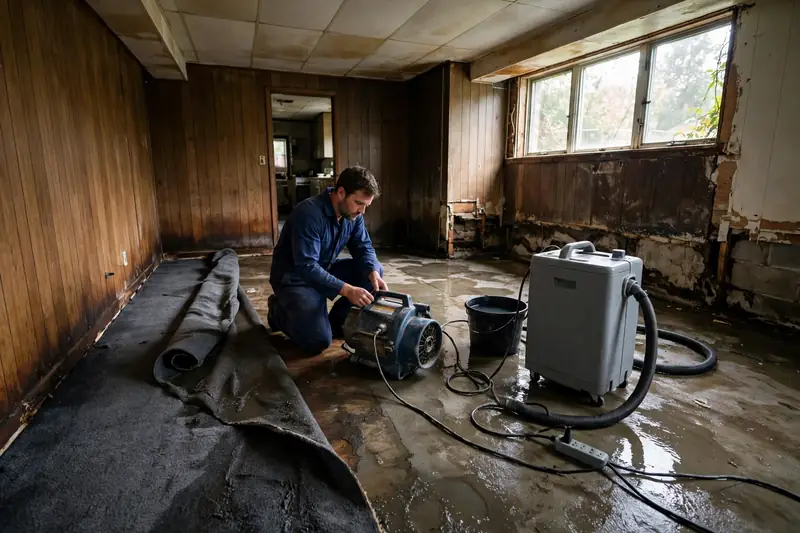
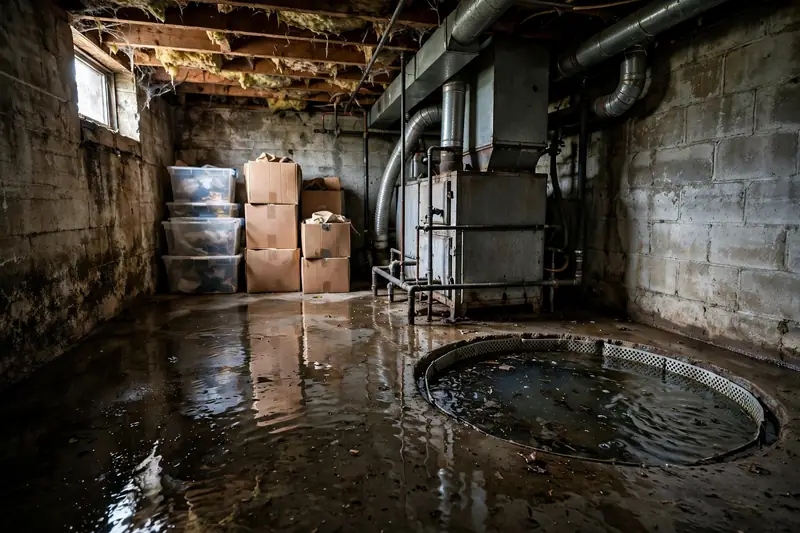
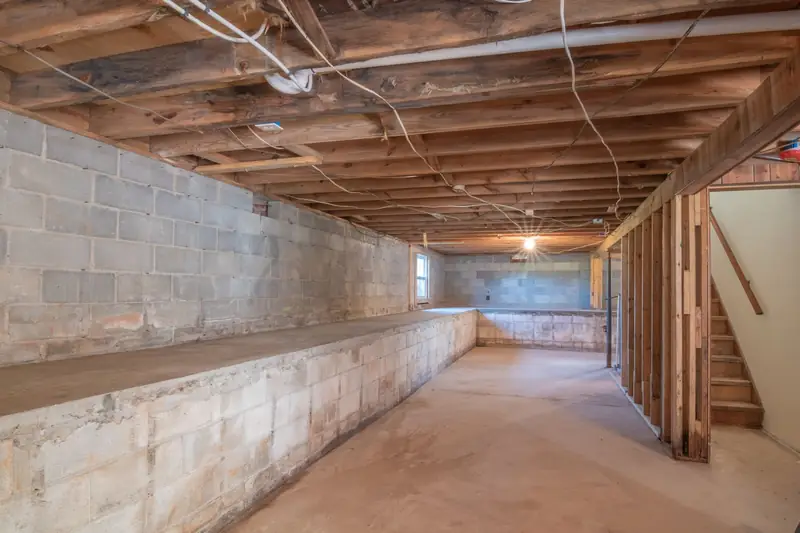
When a slope is built on basalt, groundwater runs along the top of the rock and hits the first foundation in its way. In a wet spring the cinder block or poured wall on that lot can seep at the cold joint or around a window well. Unfinished basement cleanup is the simpler case, and finished rooms with carpet and drywall add to the work. For prevention, see our basement flooding page.
Roots in the lateral
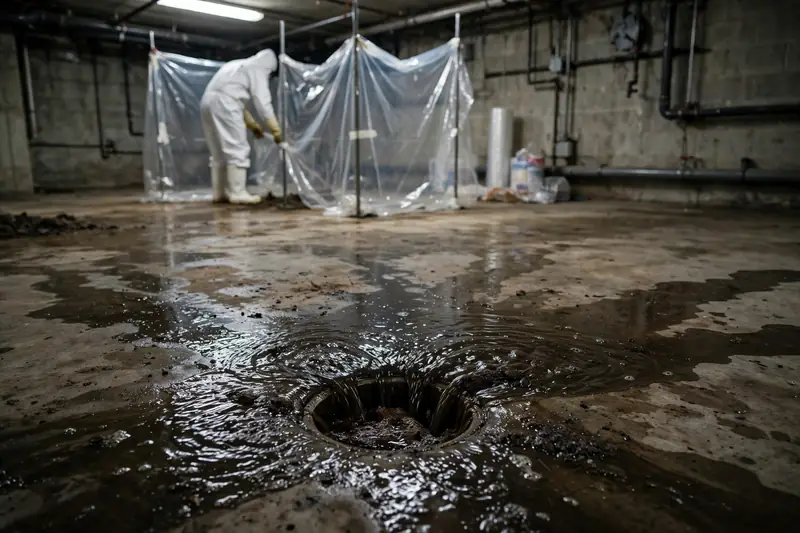
Older trees along these curving streets reach for the sewer line. The result is a slow lower-level drain, then a backup after laundry day. Contaminated water needs a different approach from clean water, so read the sewage cleanup page before touching anything.
Water heaters in tight utility closets
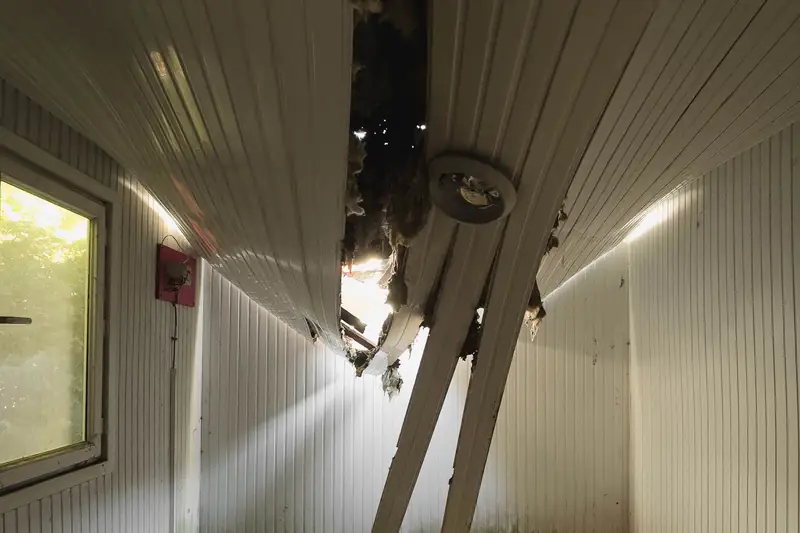
Split-levels and ranchers often put the heater in a closet or alcove with a finished wall on the other side. A slow tank leak soaks drywall and carpet before it reaches the floor drain.
Frozen pipes in garage walls
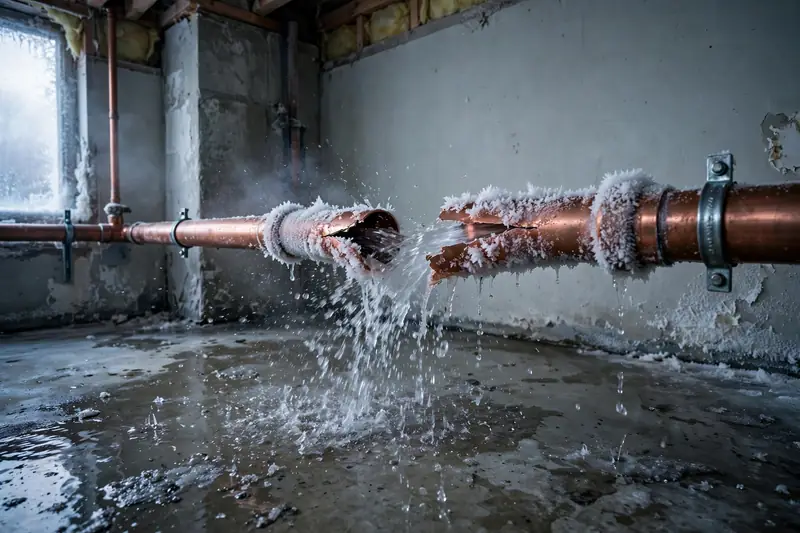
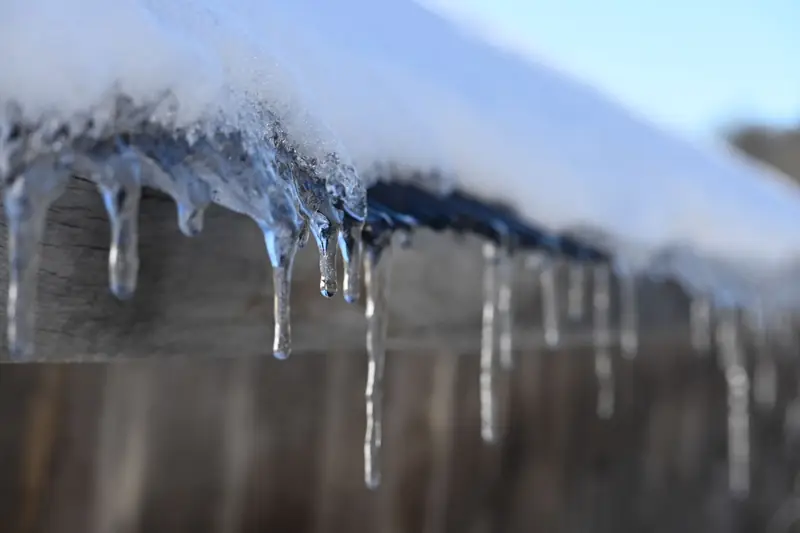
The plumbing that runs along an exterior garage wall or through an unheated crawl space is the classic cold-snap casualty on this hill. A hard freeze in January is enough.
Not sure how bad it is? A short call usually tells you.Have your ZIP code ready. A local restoration pro answers.
Call (509) 555-0134Local tip for rocky lots
Walk the outside of your house in the first thaw of spring and watch where the water goes. If it flows toward the foundation, rather than along the surface and away, regrading or a gutter extension is a small project next to any restoration bill. Rocky lots often need this because the soil layer is thin and sheds water quickly.
Water still spreading? Talk to a local restoration pro now.Have your ZIP code ready. A local restoration pro answers.
Call (509) 555-0134What happens after the call
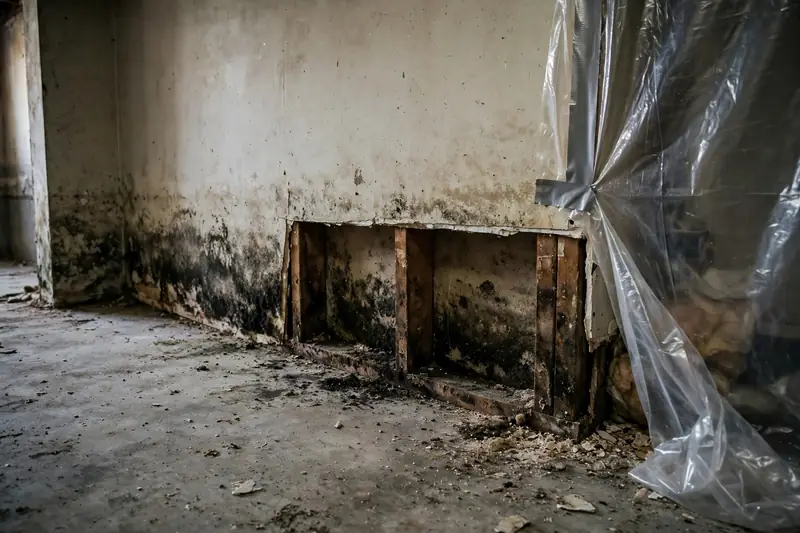
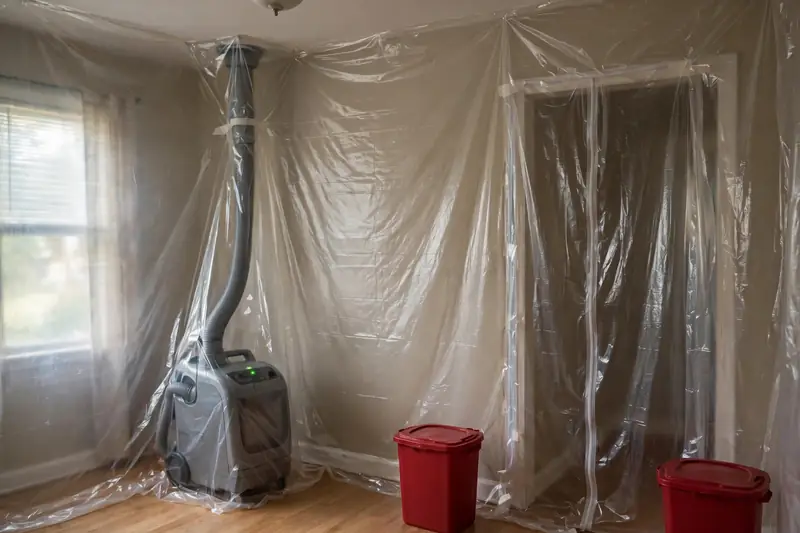
A licensed restoration crew near you will check moisture first, shut down the source and pull out materials that cannot dry. The size of the mitigation depends on how much of the basement is wet, and rebuild work afterward (drywall, flooring, paint) adds to the total. Final pricing depends on what the inspection finds, and the crew can put it in writing first.
Many homeowners policies cover sudden and accidental water damage and exclude slow leaks and groundwater. Treat your policy as the final word, and ask your agent if you are unsure.
Related pages
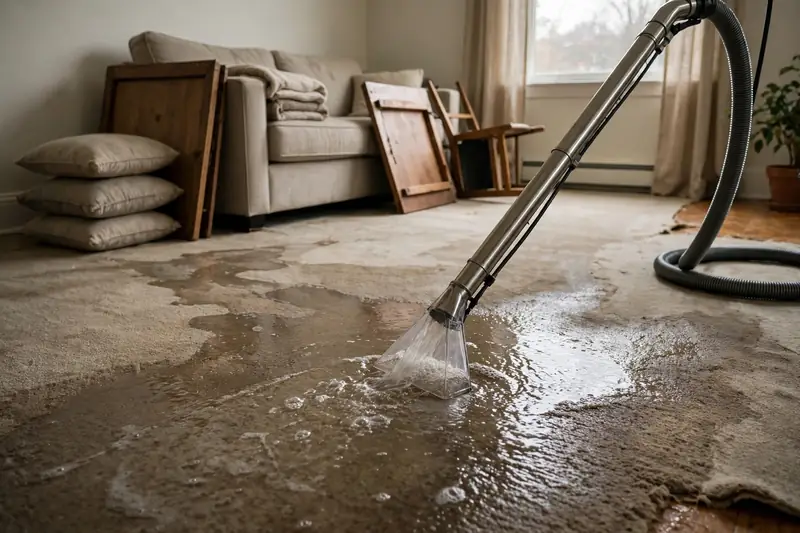
Water on the floor right now? Emergency water extraction is the closest match. For a failed pipe, burst pipe cleanup helps.
Planning ahead for spring runoff, the article on basement flooding and spring snowmelt is useful. For the leak that started with a tank, read water heater leak: what to do.
Sources and official resources
Services in Lincoln Heights
What Lincoln Heights homeowners call about
Tap a service for causes, cost factors and next steps.
Nearby
Areas near Lincoln Heights
Homeowner guides
Guides for Lincoln Heights homeowners
FAQ
Common questions
Straight answers to what Spokane homeowners ask most. Still unsure? Call and ask a local pro.
Call (509) 555-0134Why do some Lincoln Heights basements stay dry and others do not, on the same street?
Rock outcrops and clay pockets move water unevenly. One lot may sit on a drain path while its neighbor sits on solid basalt. Grading, gutters and the age of the foundation sort out the rest.
Is it worth digging up a sewer line if I only have a slow drain?
Not at first. Start with a camera inspection. Many slow drains turn out to be a root clump or a single bad joint that can be fixed without replacing the whole line.
What about split-level homes? Are their leaks harder to trace?
Often, yes. Half-levels share walls and ceilings in odd ways, so water from an upper bath may show up two rooms away on the lower level. A moisture meter and thermal camera help find the real path.
Should I run a dehumidifier myself after a small leak?
A household unit helps with damp air, but it cannot dry wet framing or insulation by itself. If a wall or floor was soaked, call a crew with commercial equipment.
Water damage in Lincoln Heights?
Call now and a licensed restoration pro near you can walk you through the next hour and set up a visit.