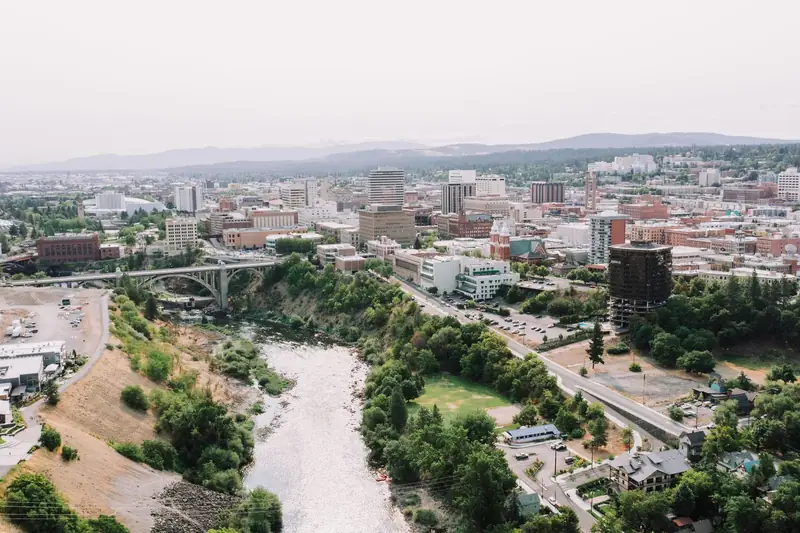
Spokane neighborhood
Water Damage Restoration in Browne's Addition, Spokane
Mansions cut into apartments, shared walls and a century of plumbing changes. Leaks here rarely stay in one unit.
Have your ZIP code ready. A local restoration pro answers.
- ZIP codes
- 99201
- County
- Spokane County
- From downtown Spokane
- close to downtown
- Building permits
- City of Spokane Development Services Center
- Contractor check
- Washington L&I contractor lookup
- Estimates
- Written estimate after an on-site inspection
Updated November 12, 2026
Browne's Addition is the oldest prestige address in Spokane, laid out west of downtown in the 1880s on the bluff above the river. Walk Pacific Avenue or the blocks around Coeur d'Alene Park and you pass Queen Anne mansions, early craftsman houses and low-rise apartment buildings squeezed between them. ZIP code 99201 covers all of it, along with part of the adjoining West Central neighborhood.
A neighborhood of big houses with many doors
Many of the mansions here were built for mining and railroad money in the 1890s and early 1900s. Kirtland Cutter designed several, and the Campbell House beside the Northwest Museum of Arts and Culture is the one most visitors know. Over the decades, a good share of these houses were split into rooming houses and then apartments. The Coeur d'Alene Park, which dates to 1891 and was the city's first park, still anchors the middle of the district.
That history sets up the biggest water issue in the area. A house designed for one family now has four or six kitchens and bathrooms stacked and stuck together. Plumbers added lines where they fit, and the older routes were abandoned, capped or run through walls that were never meant to carry them.
How leaks behave in a converted building
Water travels down, and sideways
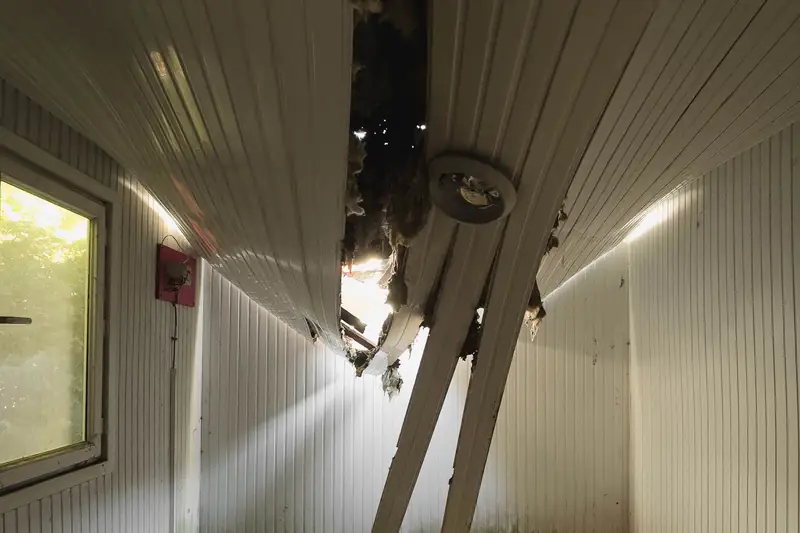
A failed shutoff valve in a third-floor bath can soak the ceiling of the unit below, run down a wall cavity and show up in a first-floor entry hall. Tall ceilings, balloon framing and old chases give water free routes through the structure. A crew will typically check several floors, not just the unit with the visible stain.
Original supply and drain lines
Galvanized steel and cast iron are common in the buildings that predate World War II. They corrode from the inside, and a joint that has been fine for decades can let go when someone replaces a nearby fixture and moves the pipe slightly. Cast-iron drains crack along the bottom and drip slowly into the wall below.
Basements, cellars and the river bluff
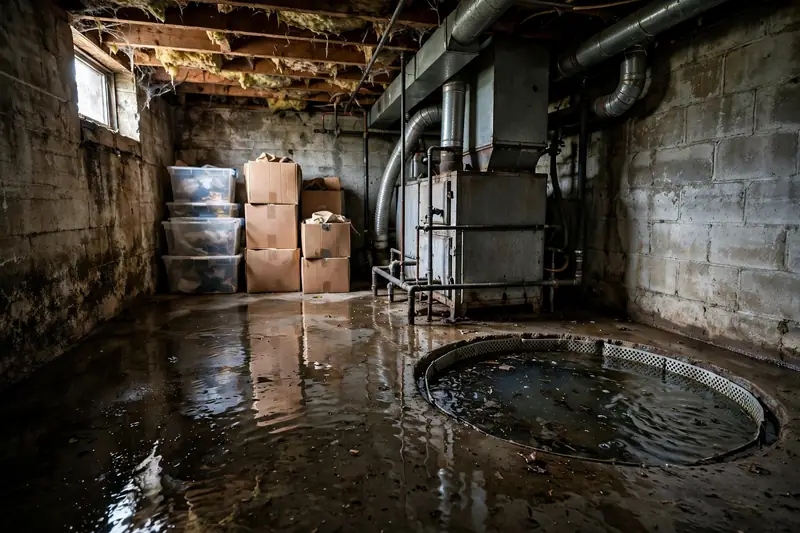
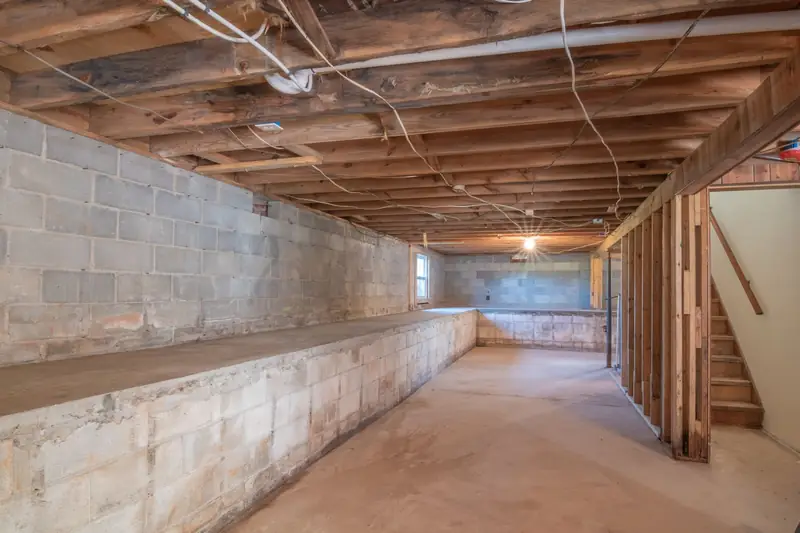
Some of these houses have stone or early concrete cellars. They sit close to the river bluff, and ground water can push through the lower walls in wet springs. What a cellar flood takes to put right depends on whether the floor is bare concrete or has been finished, since stone and early concrete walls dry slowly and finished surfaces have to come out.
Radiators and old boilers
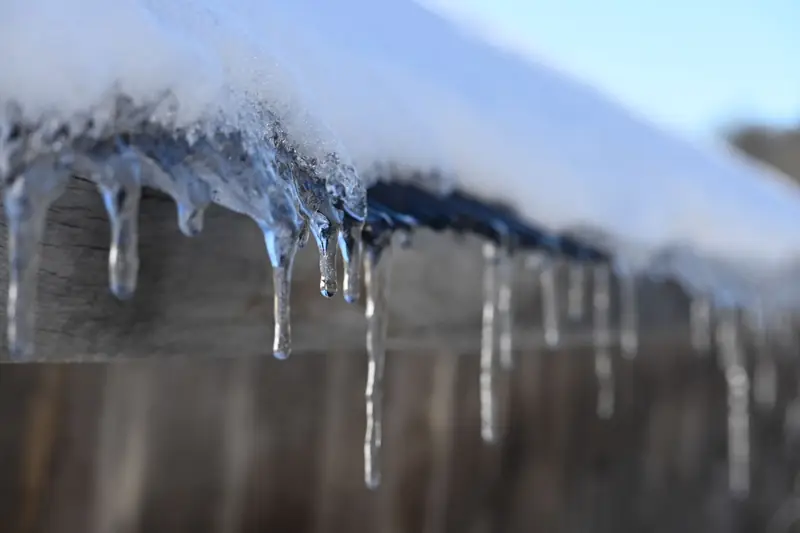
Steam and hot-water heating systems still exist in a few of the larger buildings. A leaking valve or a burst radiator line in winter can release a surprising volume of hot water. Frozen exterior-wall pipes are the other winter risk, especially in unoccupied units.
Not sure how bad it is? A short call usually tells you.Have your ZIP code ready. A local restoration pro answers.
Call (509) 555-0134A tip specific to this neighborhood
If you own or manage a unit in a multi-family building, learn where the water shutoff for the whole building is, and whether each unit has its own. Post it where residents can see it. In a converted mansion, the person who finds the leak is often not the person with the key to the mechanical room.
Water still spreading? Talk to a local restoration pro now.Have your ZIP code ready. A local restoration pro answers.
Call (509) 555-0134Getting work done in a historic district
Browne's Addition is a National Register historic district and many exteriors are protected, so exterior repairs and window replacement can involve extra review. Interior water mitigation does not usually require that review, but rebuild work on structural parts may need a permit from the City of Spokane Development Services Center. A restoration company that has worked in older buildings will know which is which.
On a multi-unit or historic job, the number of units touched, the amount of plaster and old flooring involved, and the rebuild afterward all move the bill. Ask the crew for a written scope after the walkthrough, before anything is torn out.
Where to read next
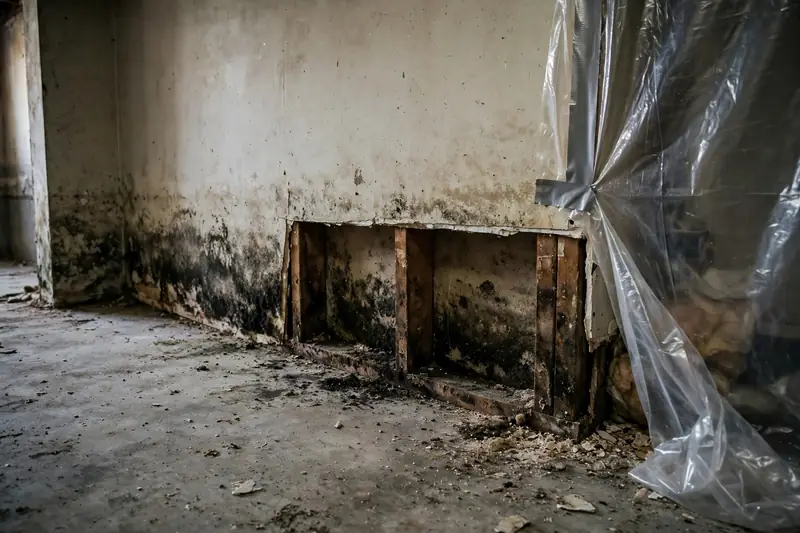
If the water came from above and you need quick drying, see emergency water extraction. For a split pipe inside a wall, burst pipe cleanup covers the process. If anything behind the walls stayed wet for more than a couple of days, read about mold remediation before you repaint.
Two guides pair well with this page. One is what to do when pipes freeze for winter vacancies. The other is does homeowners insurance cover water damage in Washington, which also helps tenants figure out whose policy applies.
Sources and official resources
Services in Browne's Addition
What Browne's Addition homeowners call about
Tap a service for causes, cost factors and next steps.
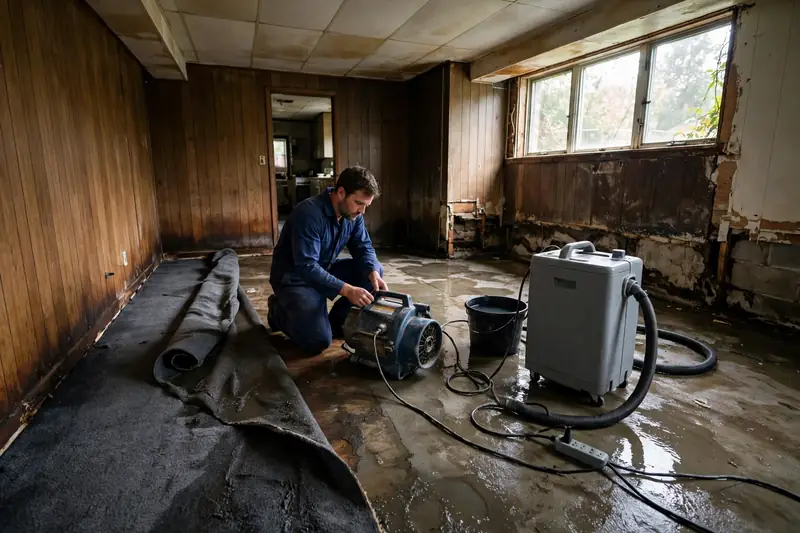
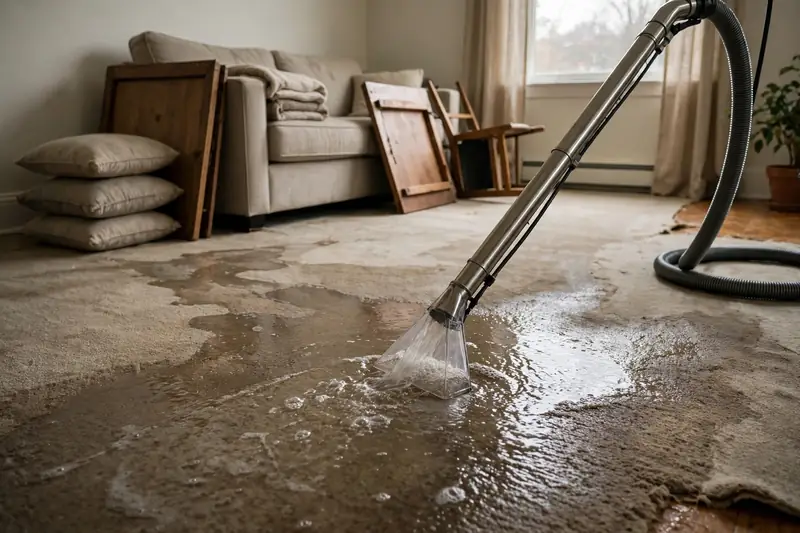
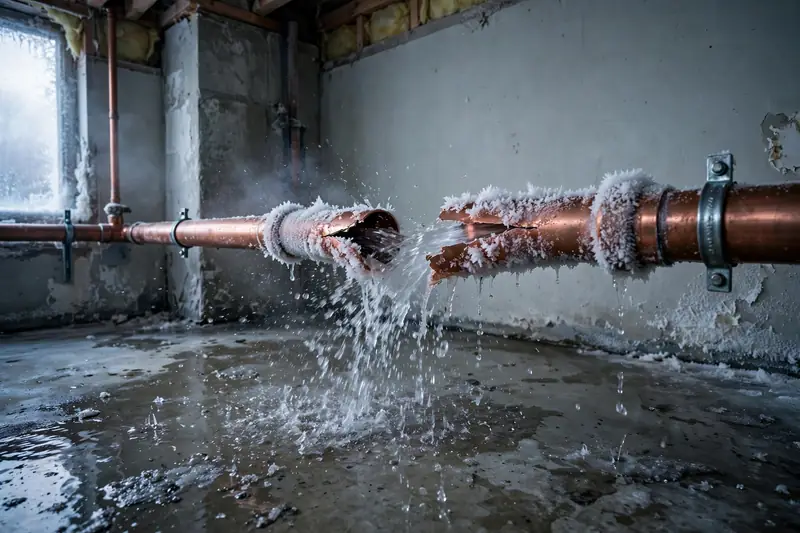
Nearby
Areas near Browne's Addition
Homeowner guides
Guides for Browne's Addition homeowners
FAQ
Common questions
Straight answers to what Spokane homeowners ask most. Still unsure? Call and ask a local pro.
Call (509) 555-0134A neighbor's unit is leaking into mine. Who pays for the cleanup?
It depends on the cause and on who owns what. Start by documenting the damage with photos, tell your landlord or HOA in writing and call your own insurer. Renters insurance and the owner's policy often both come into play.
Do crews work differently in a historic building?
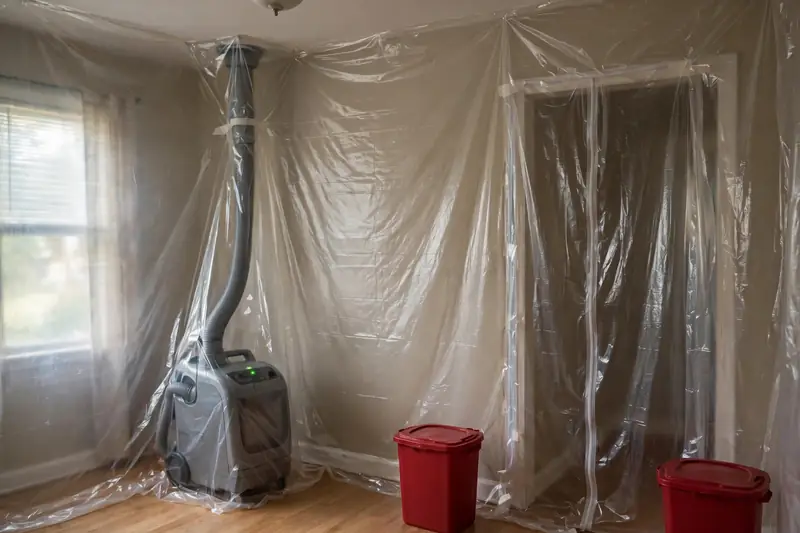
They should. Original plaster, ornate trim and old-growth wood floors are worth saving when possible, so a careful crew dries in place and tests before tearing out anything that cannot be replaced.
How do I know if the leak is coming from the unit above?
Look for a stain that spreads outward in a ring and keeps growing after you have shut off your own fixtures. Water running through a ceiling light fixture is also a strong sign. Tell the upstairs resident or building manager right away.
Is it safe to stay in the apartment during drying?
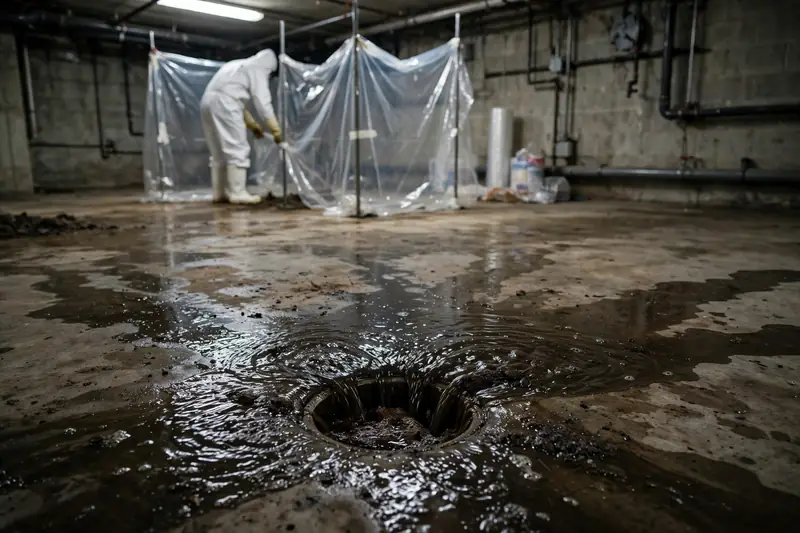
For a clean-water leak, usually yes, though the equipment is loud and the air gets warm. If the water was sewage or has been sitting for days, ask the crew whether you should stay elsewhere.
Water damage in Browne's Addition?
Call now and a licensed restoration pro near you can walk you through the next hour and set up a visit.