Spokane, WA
Ceiling & Roof Leak Water Damage in Spokane
A brown ring on the ceiling means water is already inside the attic or wall. A local restoration pro can dry the structure while a roofer deals with the roof.
Have your ZIP code ready. A local restoration pro answers.
Updated November 12, 2026
The first sign is usually a tan or brown ring on the ceiling, sometimes with a slow drip into a bowl at two in the morning. By then the water has already crossed the roof deck, soaked the insulation and run along the framing to find the spot where it finally gave up. What you see downstairs is the end of the trip.
Right now: stop the damage
Safety comes ahead of cleanup. Work through this list in order.
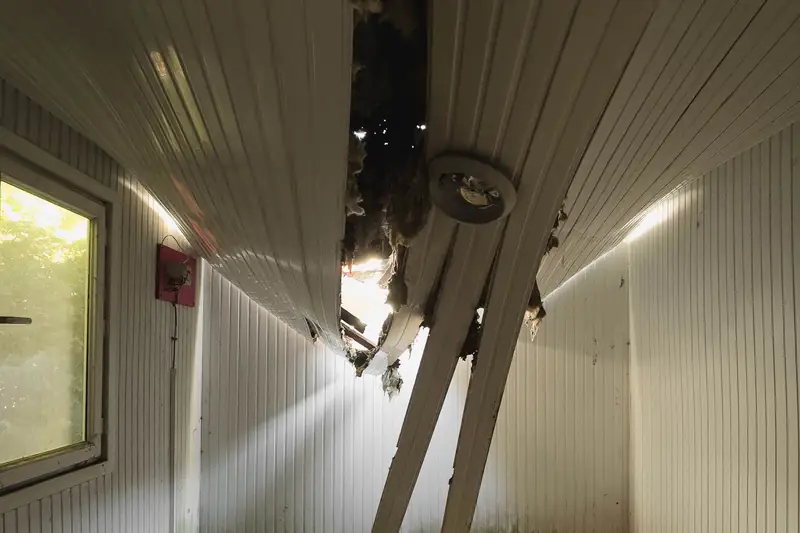
- Watch for a sagging ceiling. A bulge full of water can drop without warning and it is heavy. Keep people out of the room and move out anything underneath.
- Think about the lights. If water is coming through a light fixture or ceiling fan, turn off that circuit at the breaker, from a dry spot. Do not touch the switch with wet hands.
- Catch what you can. Put a bucket or a tub under the drip and a tarp under that. Move furniture, rugs and electronics out of the way.
- Relieve a bulge only if it is safe. Stay to the side of the bulge, not under it. A small puncture lets the water drain into a bucket instead of bringing down a whole sheet of drywall.
- Stay off the roof. Wet shingles, snow and ice are how people end up in the emergency room. Take photos from the ground with a zoom lens instead.
- Photograph everything. The ceiling, the stain, the roofline and any icicles or ice buildup along the eaves. Your insurer will ask.
Call a restoration pro the same day, and a roofer as soon as the weather allows work.
Water still spreading? Talk to a local restoration pro now.Have your ZIP code ready. A local restoration pro answers.
Call (509) 555-0134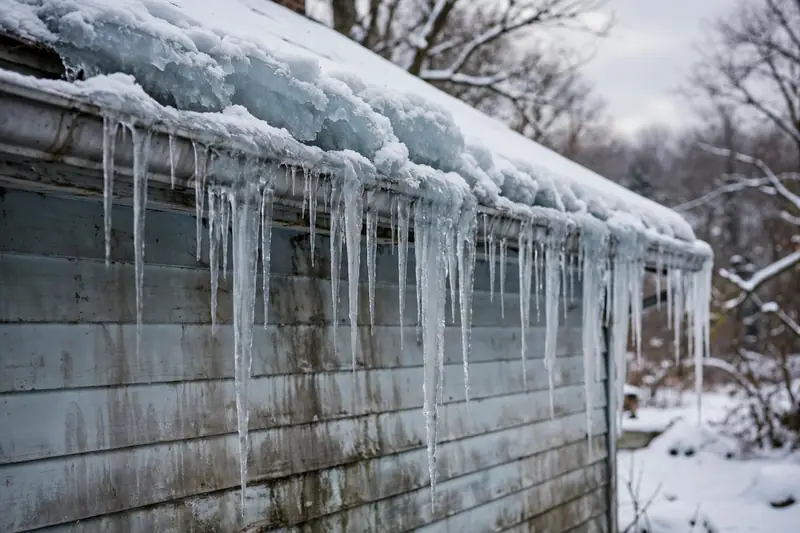
What the damage looks like inside a Spokane home
The visible stain tells you almost nothing about the area underneath. Water can travel several feet along rafters and ceiling joists before it drips. Wet fiberglass insulation compresses and loses its value, and blown-in cellulose can hold a lot of water. Drywall may feel dry on its face while the back is soaking.
Other signs: paint that bubbles or peels in a ring, a musty smell in a closet or hallway, sagging or soft texture on the ceiling, brown streaks running down a wall, and nail pops or tape seams that suddenly show.
Not sure how bad it is? A short call usually tells you.Have your ZIP code ready. A local restoration pro answers.
Call (509) 555-0134Why roofs leak here, and what ice dams do
Spokane gets cold, steady winters, with average snowfall above 40 inches and long stretches below freezing. That combination is behind most winter leaks.
Ice dams. Heat from the house escapes into the attic, warms the roof deck and melts the snow lying on it. The meltwater runs down to the cold overhang at the eaves and refreezes. Over days, a ridge of ice builds along the edge. New meltwater cannot drain over it, so it backs up under the shingles and into the soffit, the wall top plate or the ceiling below. You often notice the leak along an exterior wall, at the line where the ceiling meets the wall.
Ice dams are worst after heavy snow followed by a cold snap. The fix that lasts is air sealing and attic insulation. Chipping at the ice with a hammer just breaks shingles.
Aging roofs and flashing. Roofs on older Spokane homes are often on their second or third layer. Flashing around chimneys, vents and valleys is where most leaks start, because the sealant dries and cracks over years of freeze and thaw.
Wind and tree damage. Pine and fir limbs come down in windstorms and punch through or lift shingles. A single missing shingle on a ranch built in the 1960s or 1970s in Spokane Valley is enough to start a stain.
Skylights, flat sections and bath fans. Skylight seals fail. Low-slope roof sections over additions hold water. A bathroom fan vented into the attic instead of outside makes frost that melts into the insulation, which looks like a roof leak but is not.
How a restoration crew handles it, in order
- Find where the water went. The crew uses a moisture meter and often a thermal camera to map the wet area, then checks the attic.
- Contain and protect. Furniture is moved or covered. Drips are diverted. If a roof tarp is needed to stop more water getting in, many crews can arrange one, or you can call your roofer.
- Open the ceiling where needed. Sagging or saturated drywall is cut out. That is better than leaving it to mold, and it lets air reach the framing.
- Remove wet insulation. In the attic, wet batts or blown-in material are bagged and hauled off. This is the step homeowners most often skip when they paint the stain and move on.
- Dry the cavity. Air movers and dehumidifiers run, typically three to five days. Readings are logged each day.
- Treat and check for mold. Framing is wiped or sprayed with an antimicrobial if needed. If a leak went unnoticed for weeks, the crew may recommend testing.
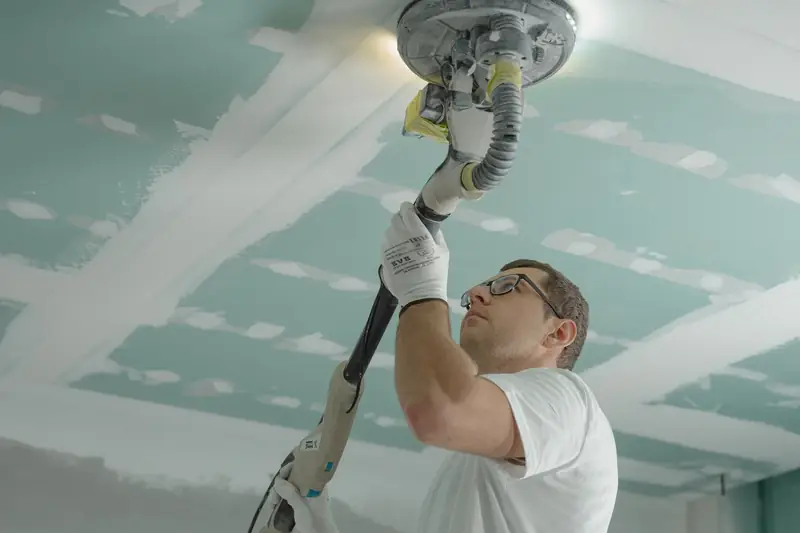
- Rebuild. New drywall, texture and paint are a second phase. A restoration company often handles it, or you can hire your own contractor.
What drives the cost of a roof leak job
A crew gives you a firm number after seeing the damage in the attic and on the ceiling. Until then, these are the things that move it.
| What affects the cost | Why it matters |
|---|---|
| Ceiling and drywall | A stained patch may dry in place. Sagging or soaked drywall has to come down and be replaced. |
| Attic insulation | Wet insulation holds water, grows mold and often has to be removed and replaced. |
| Ice dam or active leak | Steaming off an ice dam or tarping the roof is separate work from drying the house. |
| Roofer's repair | Fixing flashing or a small section is the roofer's job and is billed apart from the water cleanup. |
| Drying only or rebuild too | New drywall, texture and paint come after the drying is done. |
Roof replacement is a different budget altogether and is not part of the water cleanup. The ceiling water damage repair cost guide shows how these pieces combine on typical jobs.
Need someone to look at it today?Tell them your ZIP and what happened. A local pro picks up.
Call (509) 555-0134Keeping it from happening again
A restoration crew dries what got wet. Preventing the next leak is attic work. Seal the gaps where warm air rises, around attic hatches, recessed lights and plumbing and wiring holes. Then add insulation to the depth your roofer or an energy auditor recommends, and keep soffit vents clear so air moves under the deck. Roof rakes help pull snow off the lowest few feet after a big storm, and they are safer than climbing up there. Clean gutters before the first hard freeze so meltwater has somewhere to go.
Insurance and roof leaks
Coverage hinges on cause. Many homeowners policies cover interior damage from a sudden event, like wind lifting shingles or ice damming that pushes water inside. They commonly deny damage from slow, ongoing leaks, wear and tear or long-neglected maintenance. The roof repair itself may be treated differently from the ceiling and contents inside.
Report the claim quickly, keep the damaged materials until the adjuster has seen them if possible, and keep receipts for tarping and emergency repairs. Read how homeowners insurance treats water damage in Washington before you talk to the adjuster. If your claim involves a drying crew billing, the water mitigation vs restoration explainer clarifies what is emergency work and what is rebuild.
Nearby help and related problems
Homes with big pitched roofs and finished attics, like many in South Hill, can hide a slow leak for a long time before a ceiling shows it. Newer subdivisions in Liberty Lake and across the line in Post Falls can see ice dams wherever a vaulted ceiling leaves little room for insulation.
If a leak has gone unnoticed for a while, read about mold remediation. For leaks that started with a pipe instead of a roof, see water damage restoration.
Sources and official resources
Service area
Ceiling Leaks help across the Spokane area
Choose your town or neighborhood for local details, ZIP codes and permit offices.
Spokane neighborhoods
Spokane County, WA
North Idaho
Homeowner guides
Guides about ceiling leaks
FAQ
Common questions
Straight answers to what Spokane homeowners ask most. Still unsure? Call and ask a local pro.
Call (509) 555-0134Do I call a roofer or a restoration company first?
Both, but the order depends on what is happening. If water is actively coming through the ceiling, containing it and removing wet material comes first. The roofer fixes where it entered. Many roofers can only patch in good weather, so the drying crew often starts while the roof waits.
Is a small ceiling stain worth worrying about?
Yes. A stain the size of a dinner plate can sit on top of a much larger wet area of insulation. Insulation holds water like a sponge, and mold can start there within a couple of days.
Can ice dams cause damage even if the roof is new?
They can. Ice dams are mostly an attic heat and insulation problem, not a shingle quality problem. A new roof over a leaky, under-insulated attic can still back water up under the shingles.
Should I poke a hole in a bulging ceiling?
If it is safe to do so, a small hole over a bucket relieves the weight and saves the drywall around it. Stand to the side, not under the bulge, and keep lights and fixtures off. If you are not comfortable, a crew can release it safely.
Will the ceiling stain come back after painting?
It will bleed through ordinary paint unless the area is dry and sealed with a stain-blocking primer first. Painting over damp drywall also traps moisture. A crew checks readings before the paint goes on.
How long will it take to dry out?
Drywall ceilings with a single leak often dry in three to five days once the wet insulation is out and air movers are running. Multiple rooms, a flat roof or a hidden leak that went unnoticed for weeks takes longer.
Need ceiling leaks help now?
Call now and a licensed restoration pro near you can walk you through the next hour and set up a visit.