Spokane, WA
Emergency Water Extraction in Spokane
Standing water ruins flooring and soaks into framing quickly. A local crew with pumps and truck-mounted extractors can start pulling it out.
Have your ZIP code ready. A local restoration pro answers.
Updated November 12, 2026
You are standing in an inch of water in your hallway. The carpet squishes. Somewhere, a pipe or an appliance or a storm drain is still doing its thing. This page is about the next two days, because what happens in that window decides if you end up replacing a rug or a whole floor.
Water still spreading? Talk to a local restoration pro now.Have your ZIP code ready. A local restoration pro answers.
Call (509) 555-0134The first hour
Your move, before anyone arrives:
- Stop the source if you can. The main shutoff for a Spokane house is usually in the basement or crawlspace, near where the supply line enters, or in a utility closet. In a Valley rambler it is often in the garage.
- Keep out of rooms where water may be touching outlets, floor lamps, or a panel.
- Shoes on. Wet floors are slick, and contaminated water can carry bacteria into a cut or a bare foot.
- Pull rugs, books, electronics and anything on the floor to higher ground.
- Take your photos now. Standing water is easy to document and impossible to explain later.
What the dispatcher will ask you: where the water came from, how deep it is, how many rooms, whether the building has a basement or crawlspace, and whether the water looks clean or dirty. Answer plainly. Those answers decide what truck and how many techs show up.
Hours two through twelve: the extraction itself
When a crew arrives, the sequence is quick and physical.
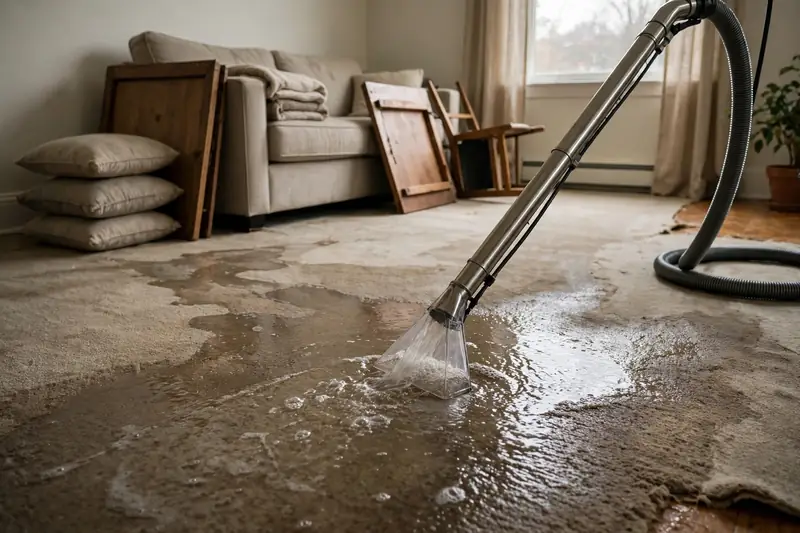
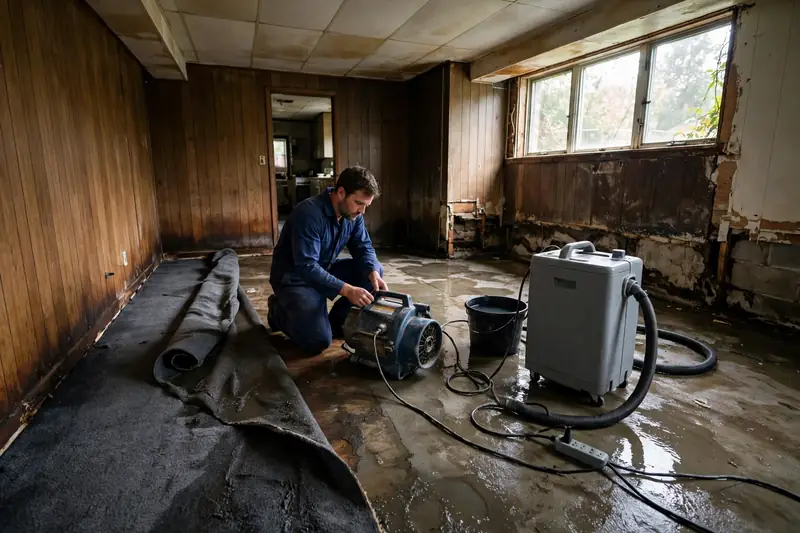
A submersible pump goes into the deepest spot if the water is several inches deep. Hoses run out a door or window to a drain or the yard. For thinner water, the tech switches to a weighted wand extractor, which pulls from the carpet surface and the pad underneath. Truck-mounted units are strong enough to pull water out of thick carpet that a portable can't.
On hard flooring, squeegees and wet vacs move water toward drains. On finished basements with carpet over concrete, pad is often cut and pulled out because it holds water like a sponge and will not dry in place.
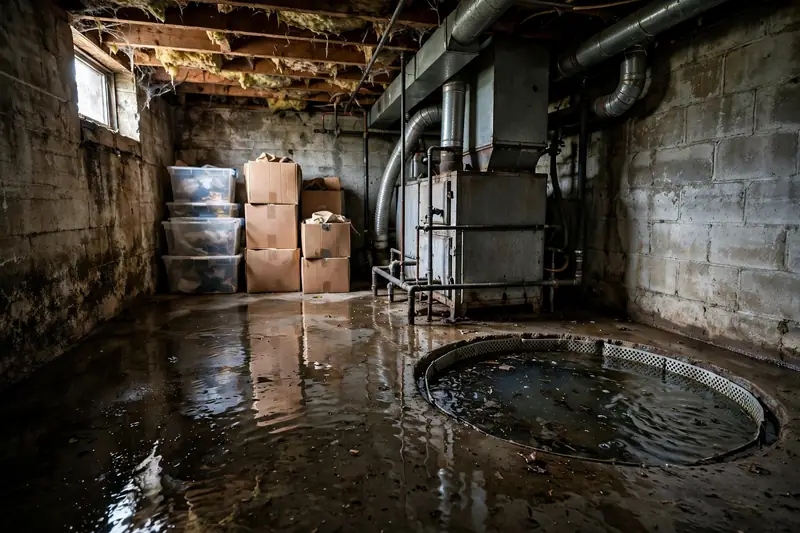
In crawlspaces, water typically sits under the floor joists. Crews use smaller pumps and sometimes work on their bellies in a vapor barrier. If your crawlspace has standing water on the soil, expect the job to include some probing for the source.
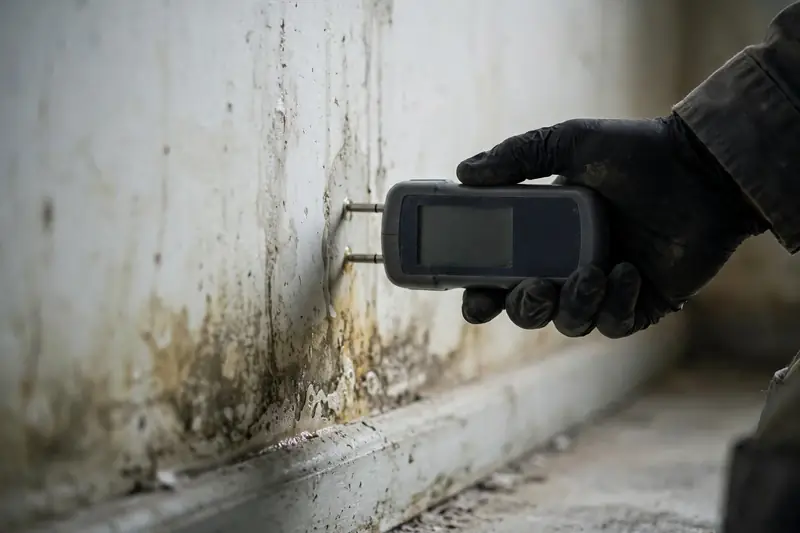
Ask the tech to show you the meter readings before and after. A good crew will happily explain what the numbers mean, which walls were opened and why, and what the plan is for the next visit. If something gets cut out, you should know what it was and what it will take to replace. Extraction does not finish the job. It stops the deepest and fastest damage, so everything else gets easier.
Not sure how bad it is? A short call usually tells you.Have your ZIP code ready. A local restoration pro answers.
Call (509) 555-0134Hours twelve through forty-eight: what follows
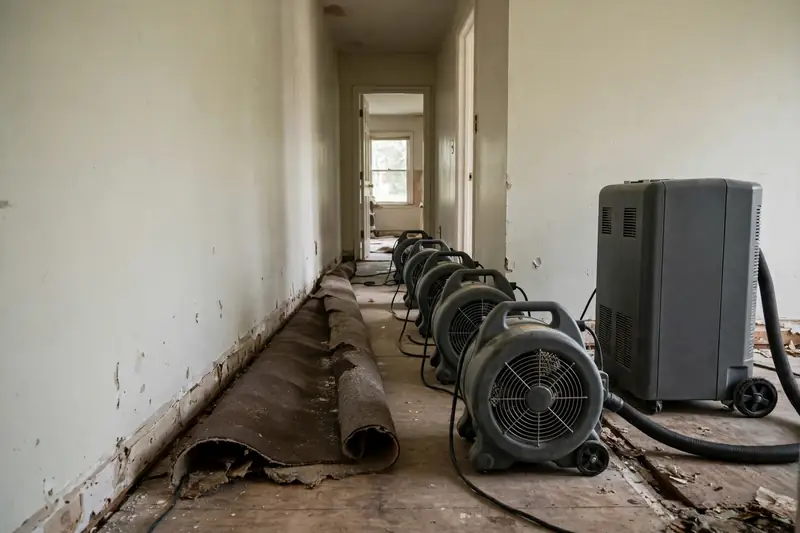
Once the pooled water is out, the tech checks wall bottoms, baseboards and subfloor with a moisture meter. Drywall that sat in water for more than a short time is often cut about a foot or two above the waterline so the cavity can air out. Air movers and dehumidifiers are set up, and the doors to the affected rooms stay closed so the equipment can do its work.
A typical clean-water drying schedule runs 3 to 5 days. The crew checks readings each day and removes equipment as areas reach target. A longer treatment of this stage, including the rebuild, is on the water damage restoration page.
What drives the cost of emergency extraction
Costs vary with the situation, and some companies add an after-hours or holiday charge, so ask about it on the phone. Treat any early guess as provisional until a tech has seen the space, then get the real figure in writing.
| What affects the cost | Why it matters |
|---|---|
| Depth and area of water | Inches of standing water across a basement take more pumping and truck time than a damp patch in a hallway. |
| Water category | Clean water is the simplest. Contaminated water means more protective gear and disposal. |
| Carpet and pad | Pulling and disposing of wet pad is often needed, and it is counted room by room. |
| Time of the call | Nights, weekends and holidays can carry an after-hours charge. |
| Space being dried | Basements, crawlspaces and finished rooms have different access and equipment needs. |
| Drying time, typical clean-water job | 3 to 5 days. |
Dehumidifiers and air movers are usually folded into the job rather than itemized by the day. The post on water extraction cost in Spokane shows how the line items stack up on an itemized estimate.
When this is an emergency, and when it can wait an hour
Call now if:
- The water is more than an inch deep, or still rising.
- It came from a toilet, a floor drain, a sewer cleanout or outside the house.
- It is near the electrical panel or has soaked an outlet.
- You smell gas or see sparking. Leave the building, then call 911 and Avista.
- The affected area includes insulation, a ceiling or a finished basement.
You can take a few minutes to gather insurance details first if the water is shallow, clean and the source is off. Do not let that stretch into a day, though. Wet carpet and pad start to smell within a couple of days, and mold has a way of showing up behind baseboards.
While you wait: leave the heat at its normal setting, open interior doors to move air, and pick up small items. Do not walk repeatedly through wet carpet, because it pushes water deeper into the pad.
Water still spreading? Talk to a local restoration pro now.Have your ZIP code ready. A local restoration pro answers.
Call (509) 555-0134Spokane conditions that make extraction calls spike
Three patterns drive most extraction work in this area.
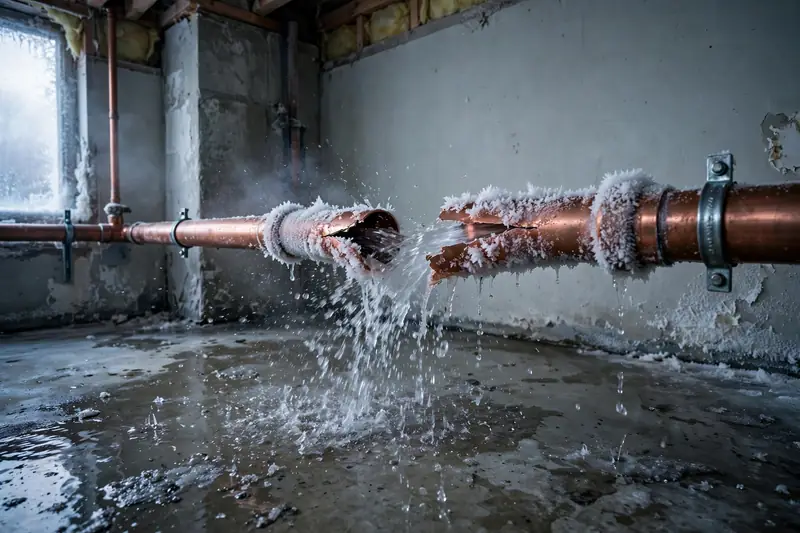
First, thaw after a hard freeze. Ice plugs and splits a supply line, then the temperature climbs and the water starts running. Homes that were empty over a weekend can flood for hours before anyone notices. If a frozen line is behind your flood, the crew handling it is also dealing with burst pipe cleanup.
Second, spring melt. In March and April, rain on top of snowpack overwhelms yard drainage. Window wells fill, sump pumps fail, and groundwater appears on a basement floor. The post on basement flooding during spring snowmelt explains how that water gets in.
Third, utility failures. Water heaters rupture, washing machine hoses burst, and main-line shutoffs fail to close fully. The City of Spokane operates its own water system, so a break in the city main out front is a utility issue, while a break on your side of the meter is yours.
Where extraction crews run most
Calls come in from across the metro. Spokane Valley sees a lot of washing machine and water heater floods in single-story homes. Airway Heights and Mead have many newer homes with finished lower levels, where water from a failed line gets into drywall and trim quickly. In the older core, West Central homes with cut-stone or early concrete foundations tend to take water through the basement wall.
One more thing about timing
The first day is when you have the most say over the outcome. Wood floors that are extracted and dried within a day or two can sometimes be kept, while the same floor left for a week usually cups and has to be replaced. Carpet over a clean-water spill has a real chance of surviving if the pad is pulled and it is dried promptly. Every hour of delay narrows those options, so a quick call costs you nothing and keeps them open.
Insurance, briefly
Sudden and accidental losses, like a hose that bursts or a pipe that splits, are often covered under a homeowners policy. Groundwater and flood water usually aren't, and need separate flood coverage. Check your policy, keep the damaged materials until your adjuster sees them, and photograph before and after. For the bigger picture, read how mitigation differs from restoration so you know which bill is which.
Sources and official resources
Service area
Water Extraction help across the Spokane area
Choose your town or neighborhood for local details, ZIP codes and permit offices.
Spokane neighborhoods
Spokane County, WA
North Idaho
Homeowner guides
Guides about water extraction
FAQ
Common questions
Straight answers to what Spokane homeowners ask most. Still unsure? Call and ask a local pro.
Call (509) 555-0134How fast can an extraction crew get to a Spokane address?
It depends on the hour, the weather and how many calls are ahead of you. Many crews can be at the door within a few hours, and some respond in under two. During a hard freeze or a spring runoff week the schedule fills up, so call as soon as you see water.
Do crews really work nights and weekends?
Water does not wait for business hours, and the crews in this area staff after-hours lines for that reason. Expect a phone triage first, then a tech on site once they know what they are dealing with.
How much standing water can an extractor handle?
Portable and truck-mounted units can clear anything from a damp carpet to several inches across a whole floor. Deeper water, such as a flooded basement with a foot or more, is usually pumped first with a submersible pump and then finished with extractors.
Can I use a shop vac myself?
A wet-dry vacuum is fine for a small spill on a hard floor. It will not pull water out of carpet pad, a subfloor or the bottom of a wall. Also keep it plugged into a GFCI outlet and away from standing water near electrical panels.
Will extraction alone fix the problem?
No. Pulling the visible water out is the first step. Whatever soaked into drywall, wood and insulation still needs controlled drying, usually over several days.
What if the water is coming from my neighbor's unit or from outside?
Tell the crew right away. Water from outside or from a shared drain may carry contamination, which changes how the crew works and what gets removed. It also affects who pays, so take photos and note when it started.
Need water extraction help now?
Call now and a licensed restoration pro near you can walk you through the next hour and set up a visit.