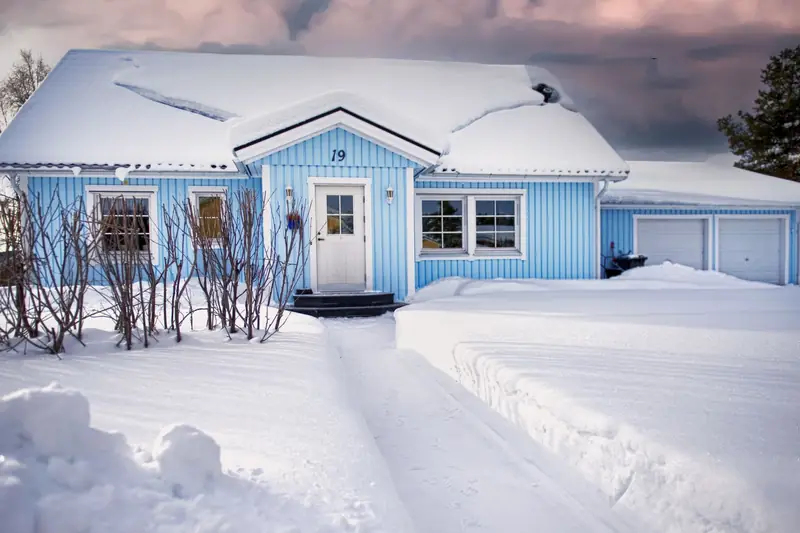
Spokane neighborhood
Water Damage Repair in Hillyard, Spokane
Workers' cottages and corner-store buildings from the railroad years, now with 100-year-old pipes and crawlspaces.
Have your ZIP code ready. A local restoration pro answers.
- ZIP codes
- 99207, 99217
- County
- Spokane County
- From downtown Spokane
- about 4 miles
- Building permits
- City of Spokane Development Services Center
- Contractor check
- Washington L&I contractor lookup
- Estimates
- Written estimate after an on-site inspection
Updated November 12, 2026
Hillyard grew up around the Great Northern Railway shops in the 1890s and takes its name from the railroad's founder, James J. Hill. It was its own town until Spokane annexed it in 1924. The rail yards are still there, and so is the long line of small, sturdy houses that railroad families built within walking distance. The area reaches into two ZIP codes, 99207 and 99217.
Houses built to be close to work
The typical Hillyard home is a small frame house from the early 1900s through the 1930s: a bungalow, a cottage or a modest foursquare on a standard city lot. Market Street, the neighborhood's main commercial spine, still has brick storefronts, and the Hillyard Historic Business District along North Market is on the National Register. Not far away, Harmon Park hosts the Hillyard Festival every August, and the Hillyard Heritage Museum keeps the railroad story on display.
Newer houses fill in between the old ones, and a number of lots near Francis Avenue have 1950s ranches. But the older frame homes set the character of the area, and their pipes tell the same story.
Where the water comes in
Crawlspaces and partial cellars
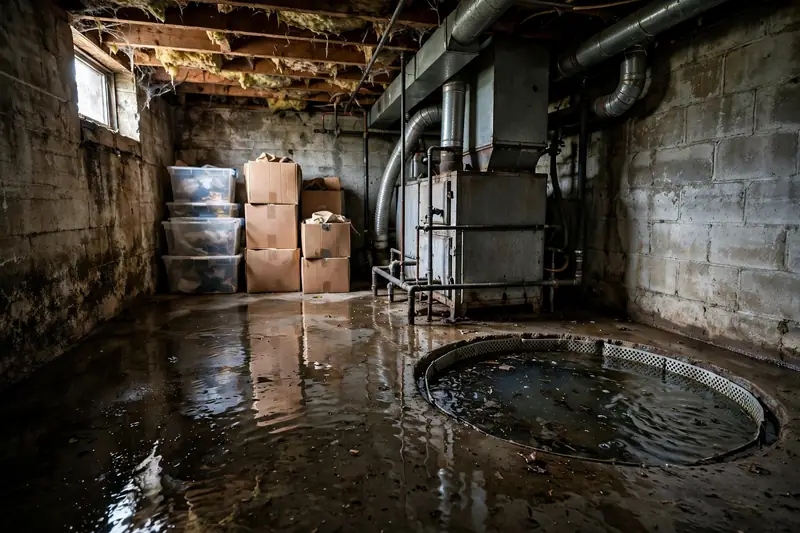
Many Hillyard houses sit on short foundations with a crawlspace or a small cellar rather than a full basement. Poor drainage around the foundation, a leaky supply line and a missed gutter downspout all put water under the floor. Insulation sags, wood stays damp and a musty smell moves up into the house. Crawlspace work depends on access, how much insulation sagged and how long the wood stayed wet.
Aged sewer laterals
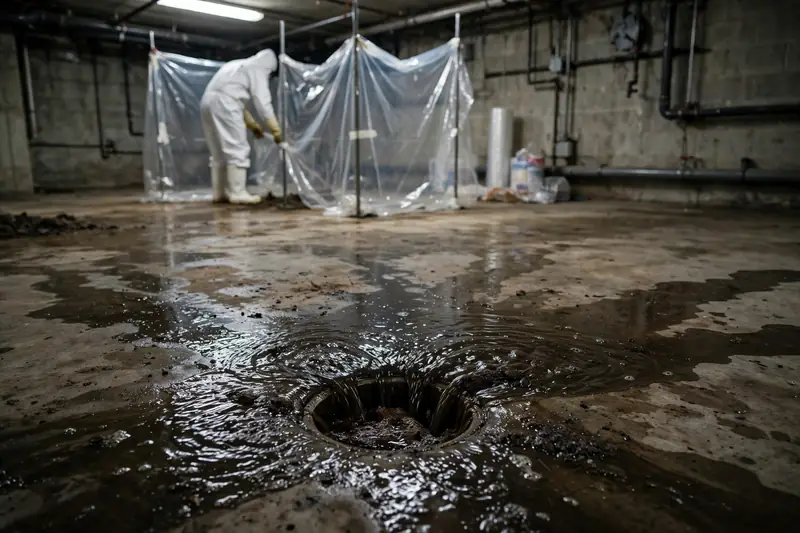
Clay tile laterals from the early twentieth century are still in service on many blocks. They crack, shift and take on roots. A backup in the lowest drain of the house is the usual signal. Sewage water is classed as contaminated, so cleanup is a different job, and a larger one than clean-water work. Details are on the sewage cleanup page.
Supply lines and water heaters
Galvanized supply lines are still found in houses that have not had a re-pipe. Original water heaters in basement corners also fail, and a tank that lets go can put an inch or two of water across a floor in a few minutes.
Winter freezes on the flat
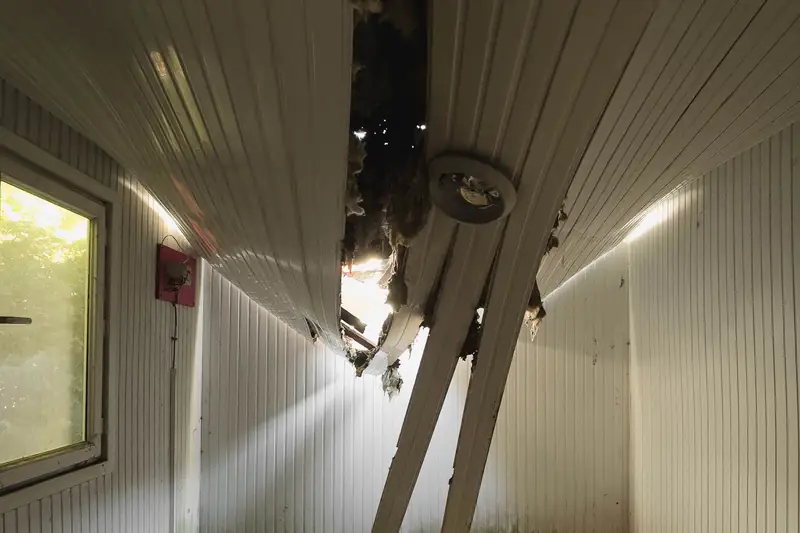
Hillyard sits on open, flat ground north of downtown, and cold air settles there on clear nights. Houses with exterior-wall plumbing, uninsulated crawlspaces or vacant units are prone to split pipes during cold snaps.
Not sure how bad it is? A short call usually tells you.Have your ZIP code ready. A local restoration pro answers.
Call (509) 555-0134A local tip for older frame homes
If your house has a crawlspace, open the access hatch once in fall and once in spring with a flashlight. Look for wet soil, sagging insulation and any pipe that looks wet or green at the joints. Five minutes under the house can save you from finding out in March the hard way.
Water still spreading? Talk to a local restoration pro now.Have your ZIP code ready. A local restoration pro answers.
Call (509) 555-0134What you can expect from a crew
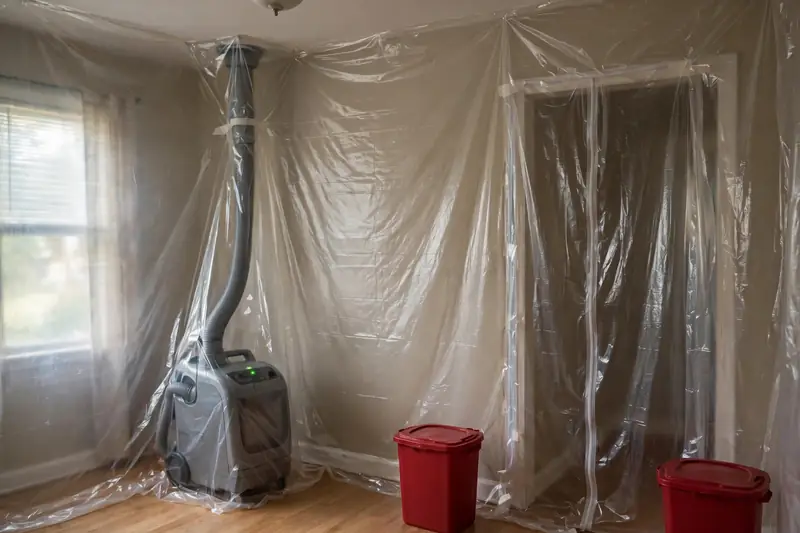
A licensed restoration crew near you will usually inspect first, then pump out standing water, remove soaked material and run fans and dehumidifiers for three to five days. The bill for a whole-job mitigation follows the size of the wet area and grows if flooring or drywall have to be rebuilt, and the inspecting company can give you a written figure before it starts. Insurance may help if the damage was sudden, such as a burst pipe, but it often will not cover a slow leak or groundwater.
Related guides
Start with crawlspace and basement flooding if water is below the floor. The burst pipe cleanup page is the right place after a freeze. For wet drywall and long-term moisture, see mold remediation.
For cost detail, read our crawlspace water damage cost guide. If a drain is coming back up, what to do during a sewage backup is the checklist to follow.
Sources and official resources
Services in Hillyard
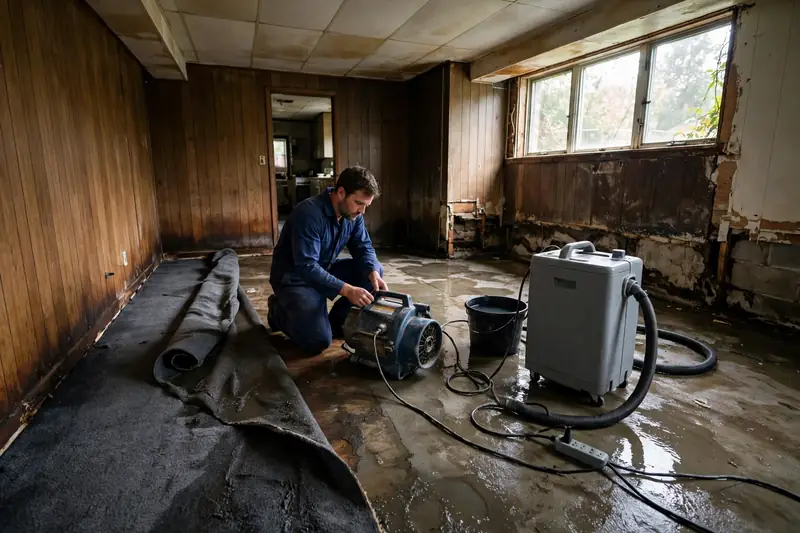
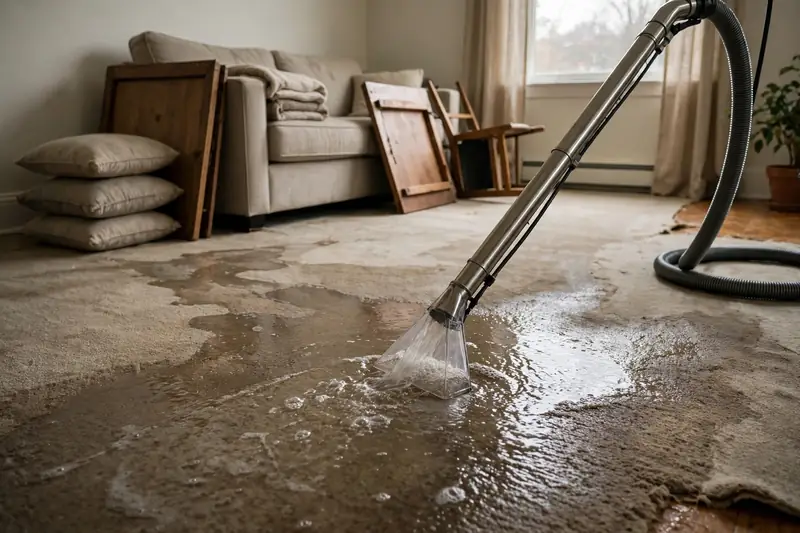
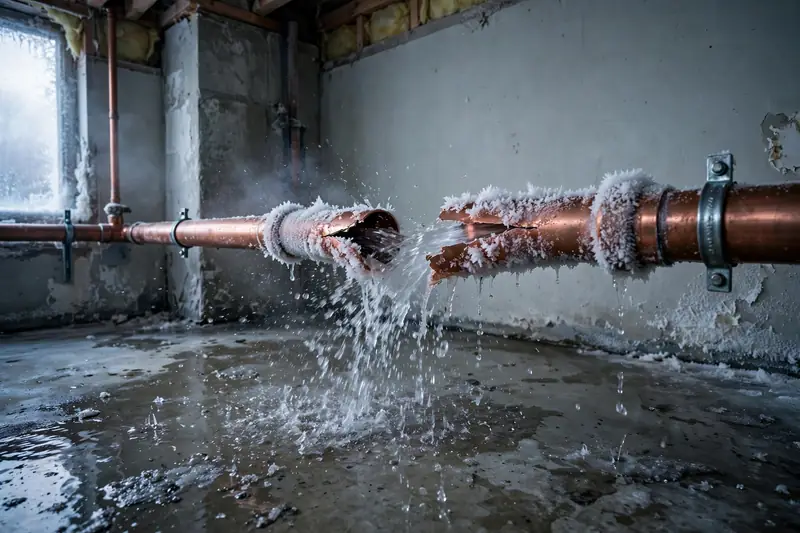
What Hillyard homeowners call about
Tap a service for causes, cost factors and next steps.
Nearby
Areas near Hillyard
Homeowner guides
Guides for Hillyard homeowners

FAQ
Common questions
Straight answers to what Spokane homeowners ask most. Still unsure? Call and ask a local pro.
Call (509) 555-0134Do Hillyard houses usually have basements?
Many of the older ones have a partial basement or a crawlspace, often with a dirt floor or a thin concrete slab. Water in either one needs different handling, so tell the crew which you have when you call.
My sewer line backs up every few years. Is that normal?
It is common with old clay or cast-iron laterals, but it is not something to live with. Repeated backups usually mean roots or a broken section, and a camera inspection will show where.
Can a small leak in a crawlspace really cause that much damage?
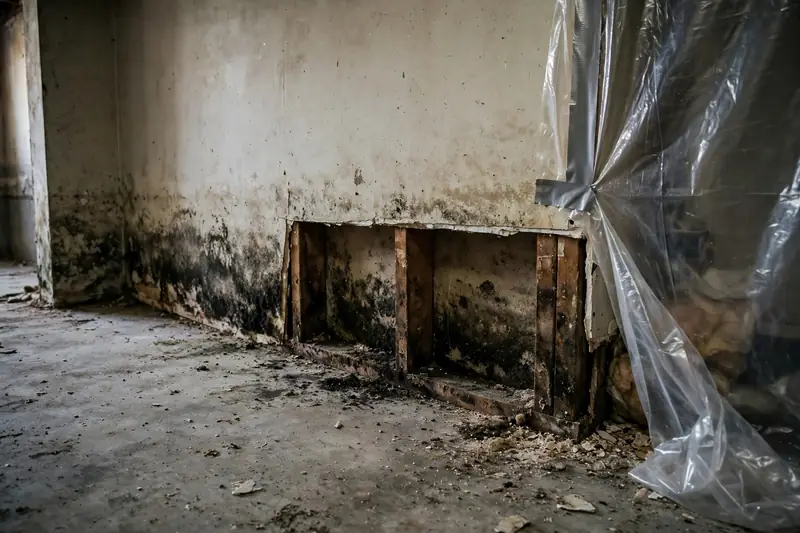
Yes. Wet insulation, rusting ductwork and mold on floor joists build up out of sight. A moisture reading under the house is the quickest way to find out.
Do I need a permit for water damage repair in Hillyard?
Drying and tear-out usually do not. Rebuilding framing, replacing plumbing or electrical work often does, through the City of Spokane Development Services Center.
What should I do first if my pipes froze?
Shut off the main water valve, open the faucet nearest the freeze and call a plumber before any thawing attempt that uses a flame.
Water damage in Hillyard?
Call now and a licensed restoration pro near you can walk you through the next hour and set up a visit.