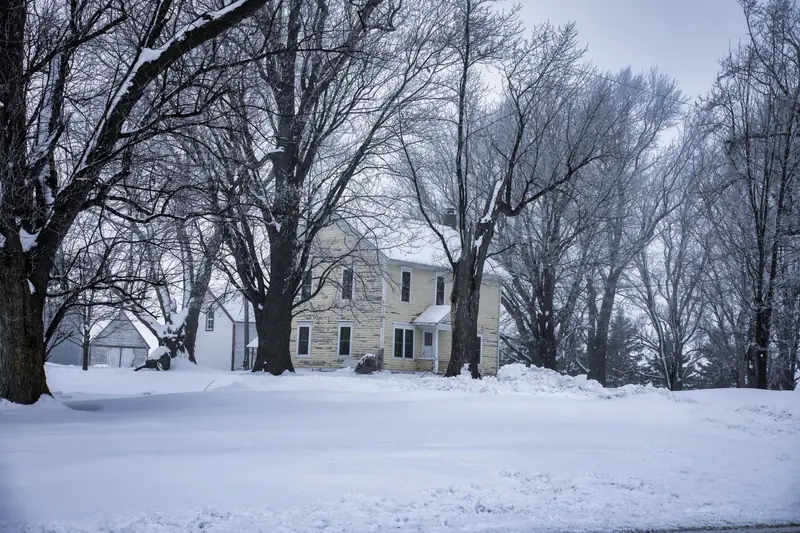
Spokane County, Washington
Water Damage Restoration in Deer Park, WA
Heavier snow, shallow wells and a half-hour drive from the city. Deer Park water damage is as much about distance and weather as it is about pipes.
Have your ZIP code ready. A local restoration pro answers.
- ZIP codes
- 99006
- County
- Spokane County
- From downtown Spokane
- about 21 miles
- Building permits
- City of Deer Park in town, Spokane County outside
- Contractor check
- Washington L&I contractor lookup
- Estimates
- Written estimate after an on-site inspection
Updated November 12, 2026
Deer Park sits along Highway 395 about 20 miles north of Spokane, in the pine and farm country that starts where the Valley ends. The town was incorporated in 1908 and still has a small downtown, a school district and a timber history. Around it are acreage homes, lake cabins and manufactured homes on wells and septic systems.
What housing looks like up north
Inside town, you find older houses from the early to mid 1900s, plus subdivisions built after 1990. Past the edge, the pattern changes quickly. Deer Lake and Loon Lake to the north have a mix of year-round homes and former summer cabins, some of them rebuilt, some left much as they were. The area along Highway 395 toward Clayton has larger parcels, and Deer Lake Road runs through lakeside lots. Deer Park uses the 99006 ZIP code.
Wells in the area are often shallow. Listings near Deer Park mention wells under 100 feet that produce plenty of water, which is good news for owners but means surface water and flooding have a shorter path to the well. Septic is the norm outside the town sewer.
What damages homes here
Snow and ice on roofs
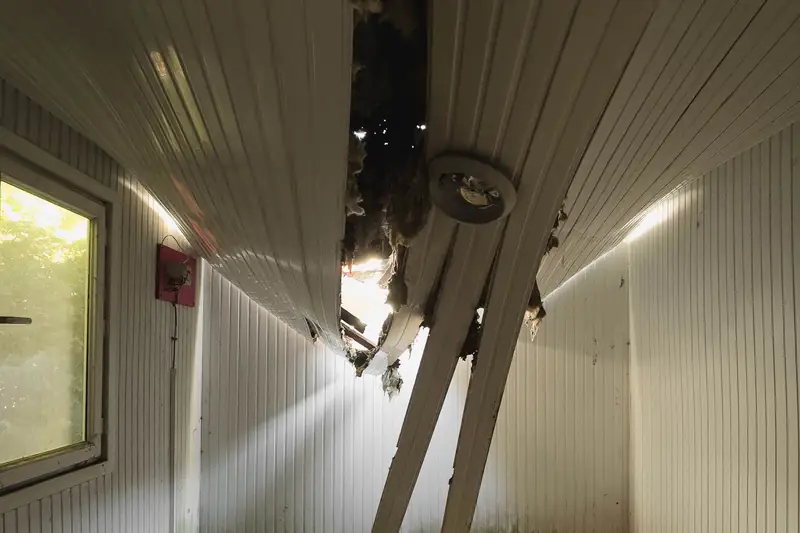
Deer Park gets deeper snow that stays longer than the city does. Heavy snow on a low-pitch roof, combined with warm attic air, makes ice dams. The water goes up under shingles and into the ceiling at the edge of the room. Insulation and soffit vents matter more here than in the Valley. The roof leak water damage page explains the repair side.
Frozen lines on the seasonal homes
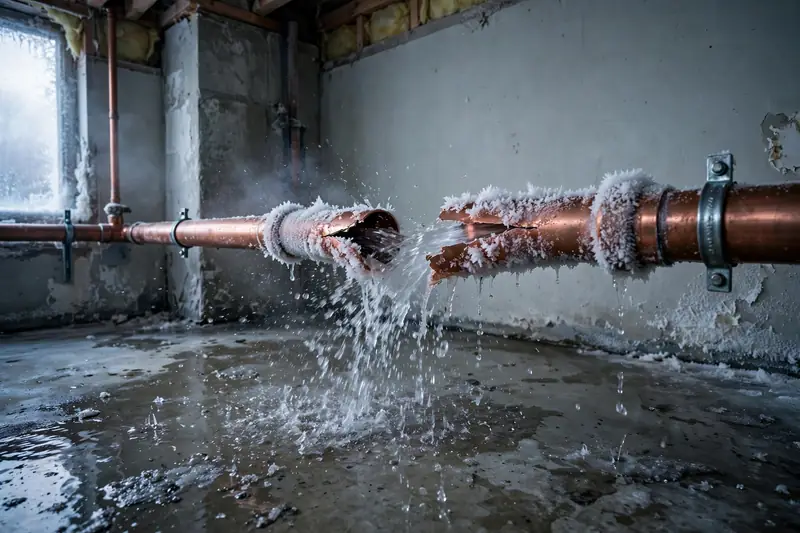
Lake cabins are the big freeze risk. A cabin that is closed for the winter but not drained can have every pipe split by February. The owner finds out in April, when the water comes on and goes everywhere. A cabin with a finished interior can need the same kind of work as a full house.
Wells, pumps and pressure tanks
Pumps and pressure tanks fail without much warning. A cracked fitting at the tank dumps water until someone shuts the pump off. The pressure switch can stay on because the breaker is still live. Know where the breaker for the pump is.
Septic systems near water
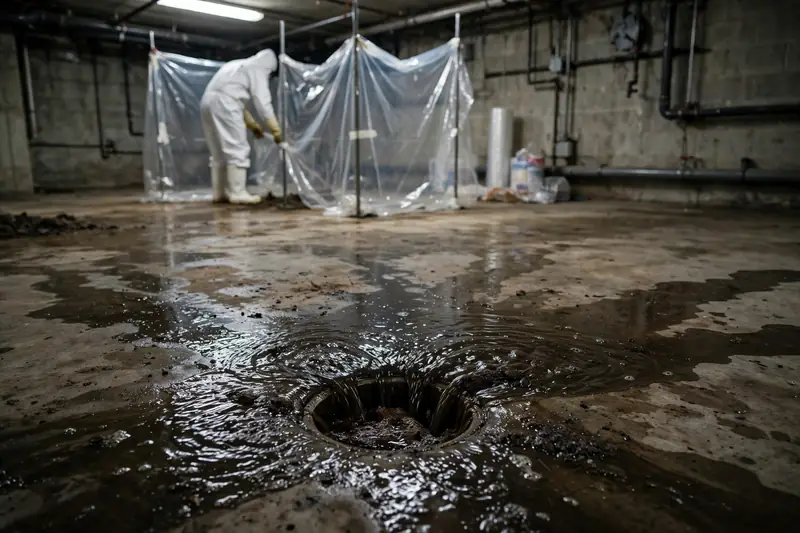
Lakeside lots have septic drain fields close to the water table. In wet springs, the field saturates and effluent can back up into the house. That is sewage, and cleanup requires containment and disinfection. The what to do after a sewage backup article covers the safe first steps.
Water still spreading? Talk to a local restoration pro now.Have your ZIP code ready. A local restoration pro answers.
Call (509) 555-0134One tip that only helps up here
If you leave a cabin or second home for the winter, do not rely on a low thermostat. Shut off the water at the main, open the taps, drain the water heater and add non-toxic antifreeze to the traps. Then ask a neighbor to check the place after the first big storm, because a power outage turns a heated house into an icebox in a day. The winterizing guide lists the full steps.
Manufactured homes and older farmhouses
Outside town, many properties have a manufactured home or a farmhouse with an addition that was never insulated well. Water lines pass through crawlspaces and belly wraps that see the same temperature as the outdoors. Skirting in good shape and heat tape on the exposed runs are the cheapest fixes, but they only work if the power stays on.
What people in Deer Park call about
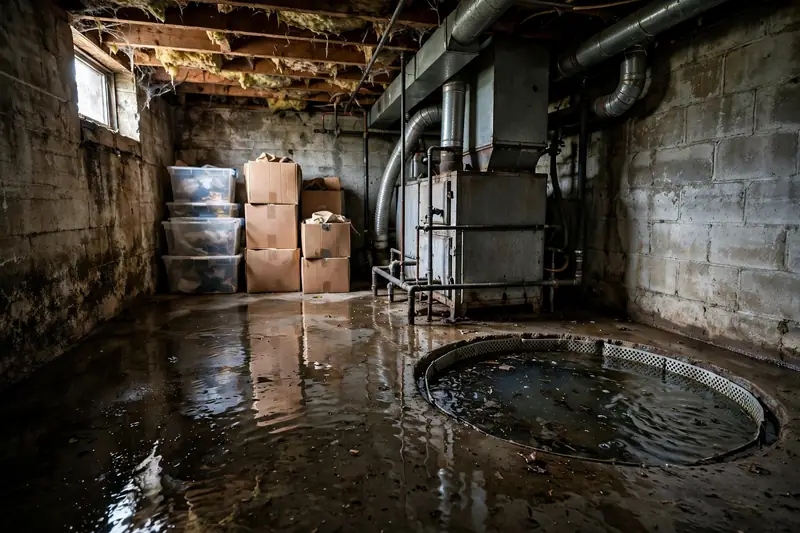
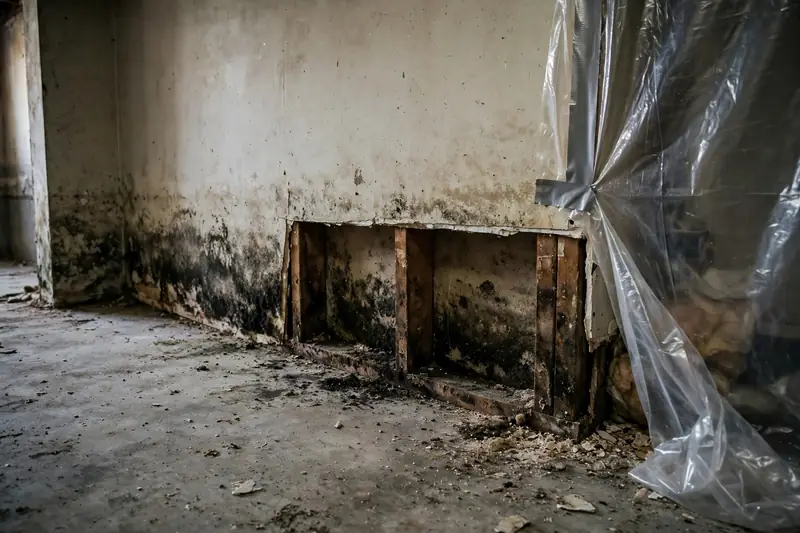
Water damage restoration tops the list, usually from a roof leak, a frozen line or an appliance failure. Basement flooding comes up in the spring, when snowmelt finds the foundation of a house on sloping ground. Burst pipe cleanup is common after a cold snap, especially in cabins. Sewage cleanup is regular on septic properties.
Deer Park town pages are water damage restoration in Deer Park, basement flooding in Deer Park and burst pipe cleanup in Deer Park.
How a response usually works from the Spokane side
Deer Park is one of the longer drives out of Spokane. A crew from the Spokane side is usually looking at 30 to 45 minutes up Highway 395, longer if there is snow or the highway is backed up near the Wandermere area. Past town, the last few miles to a lake property may be gravel and steep.
When you call, give clear directions and say whether the road is plowed. If a pipe is still running and you cannot get to the main shutoff, say so, because the crew may need to prioritize. In deep snow, the crew may want to know whether the driveway is plowed before dispatching a truck loaded with equipment.
Heating matters in the dry-out. A cabin with the power off cannot dry, and a crew may bring a generator or heater. Mention in the call whether power is on.
Need someone to look at it today?Tell them your ZIP and what happened. A local pro picks up.
Call (509) 555-0134What shapes the bill in Deer Park
Deer Park calls often involve a well, a septic tank or a long gravel drive, and each one changes the work. A burst pipe on a well system can run the pump dry or push water into an outbuilding, and a septic-related backup needs disinfection that clean-water jobs do not. Travel can add a distance charge on rural calls. The basement flood cleanup cost guide is useful when snowmelt is the cause. Costs vary with what the crew finds, so ask for the figure in writing before the equipment goes in.
Take photos of the ceiling, the attic if you can reach it and the roof edge before anything gets cleaned up. They matter for the claim.
Sources and official resources
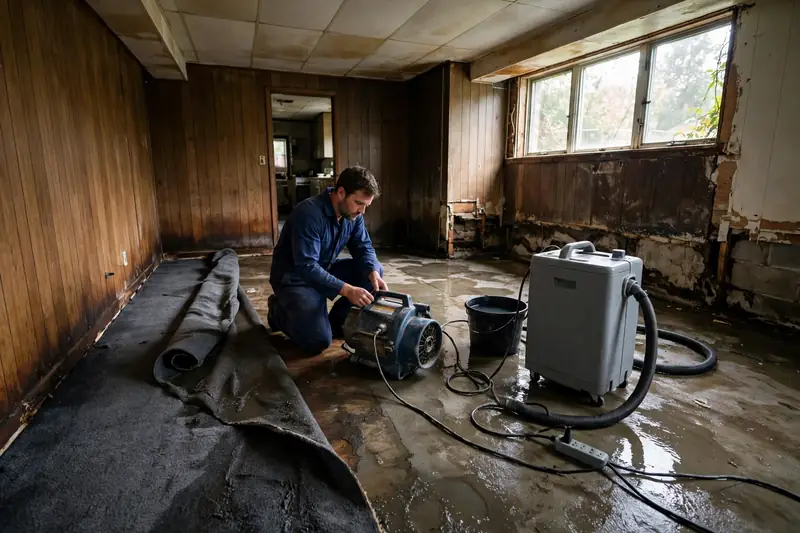
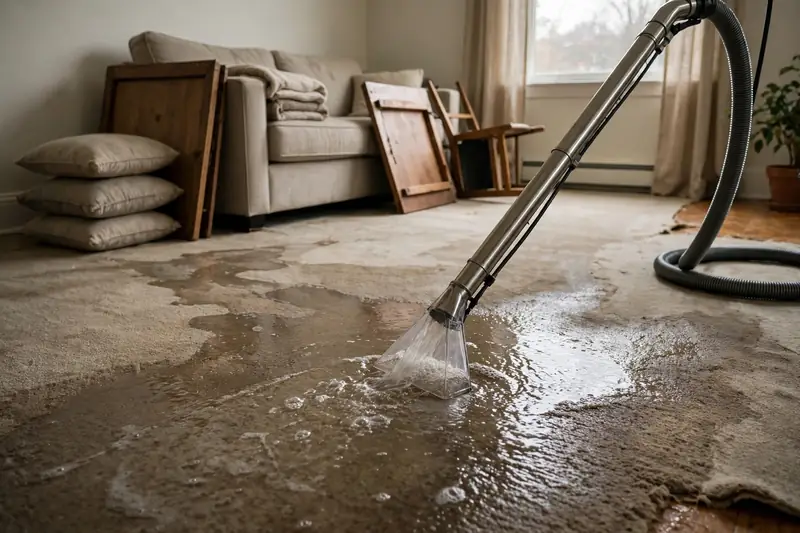
Services in Deer Park
What Deer Park homeowners call about
Tap a service for causes, cost factors and next steps.
Nearby
Areas near Deer Park
Homeowner guides
Guides for Deer Park homeowners
FAQ
Common questions
Straight answers to what Spokane homeowners ask most. Still unsure? Call and ask a local pro.
Call (509) 555-0134Does Deer Park get more snow than Spokane?
Usually, yes. The town sits north of the city at higher elevation, and snow tends to stay on roofs and yards longer. Roof loads and ice dams are a bigger concern than in the Valley.
I live near Deer Lake or Loon Lake. Does that change anything?
Lakeside lots often have high groundwater and septic systems close to the shore, so a wet crawlspace or a septic backup can happen in spring. Loon Lake and Deer Lake are partly in Stevens County, which has its own health and permit offices.
My well water turned cloudy after a flood. Is it safe?
No, treat it as unsafe until a lab test says otherwise. Use bottled water for drinking and brushing teeth. A licensed well contractor can disinfect the well after flooding.
Which ZIP code is Deer Park?
Deer Park is 99006. Nearby places such as Clayton and Loon Lake have their own ZIP codes, so check the address on your insurance paperwork.
Is a hot water tank leak in a Deer Park home treated differently?
The water is the same, but access is not. Many rural homes have the heater in a utility closet or crawlspace, and the leak can run through a floor before anyone notices. Shut the cold-water valve above the tank and turn off power or gas to it.
Water damage in Deer Park?
Call now and a licensed restoration pro near you can walk you through the next hour and set up a visit.