Spokane, WA
Basement and Crawlspace Flooding in Spokane
Snowmelt, a failed sump pump, a backed-up drain. A restoration crew pumps it out, dries it down and helps you find where it came in.
Have your ZIP code ready. A local restoration pro answers.
Updated November 12, 2026
The Spokane Valley and the Rathdrum Prairie sit on coarse gravel left behind by the Ice Age floods, and under that gravel runs the Spokane Valley-Rathdrum Prairie Aquifer. That sounds like good news for drainage, and in many places it is. But the same region has basalt, clay and hardpan layers on the hillsides that hold water in pockets, and when spring melt arrives, those pockets find your foundation.
Water still spreading? Talk to a local restoration pro now.Have your ZIP code ready. A local restoration pro answers.
Call (509) 555-0134The look of a flooded basement or crawlspace here
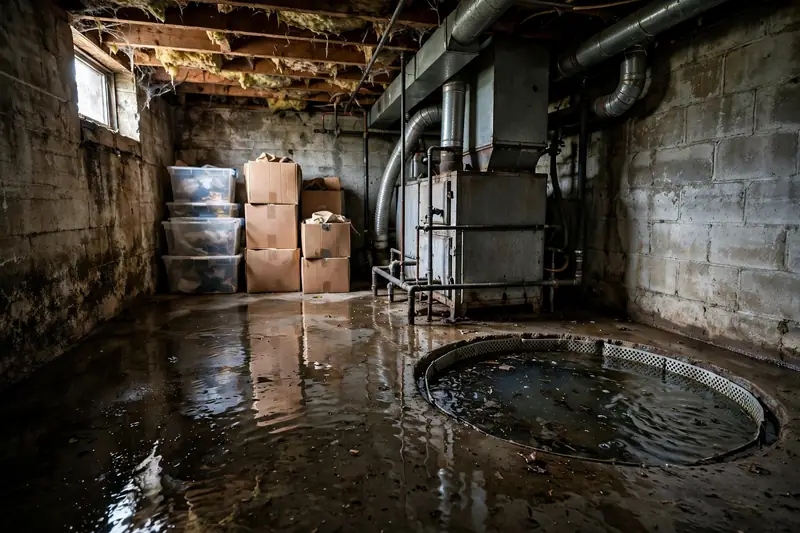
Not every flooded basement is a lake. Here is the range you see:
- A dark, damp line creeping up from the floor edge along one wall.
- A shiny sheen across the slab and a musty smell that wasn't there in February.
- Carpet in a finished space that squishes near the wall and feels fine near the stairs.
- Standing water in a window well, or sloshing around the furnace pad.
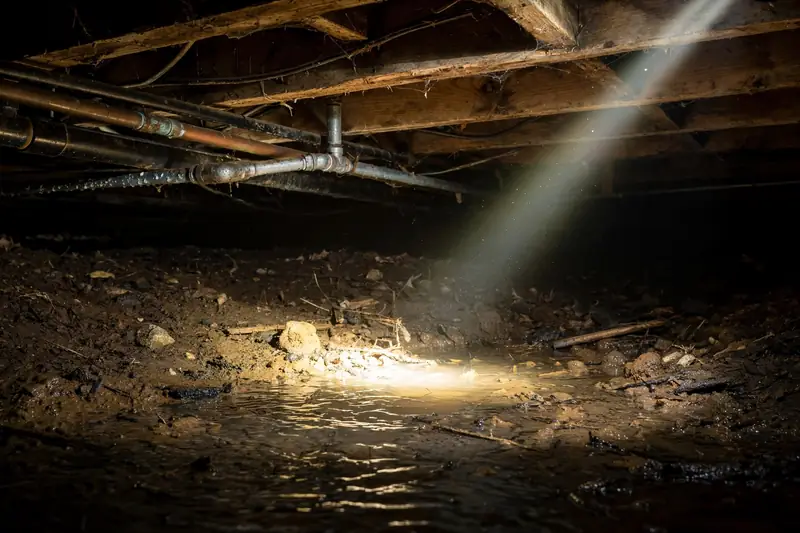
- In a crawlspace: pooled water over the vapor barrier, sagging insulation, wet joists, or a smell like a root cellar when you lift the access hatch.
The finished basement is the expensive one. Carpet, pad, drywall, baseboard, insulation and sometimes laminate flooring all take on water, and they hide it.
Why it happens in Spokane homes
Snowmelt. The big flooding window runs from March into April, when warm rain lands on snowpack that has not finished melting. Frozen ground can't absorb water, so it runs toward the house instead. The spring snowmelt basement flooding post goes through how that plays out.
Older foundations. Many homes from roughly 1890 to 1940 in neighborhoods like Browne's Addition and West Central have fieldstone or early concrete foundations. Mortar joints open up, and old drain tile may be clogged or missing.
Window wells and grade. Wells without covers fill with snow and rain. Soil that slopes toward the foundation sends water to the wall.
Failed sump pumps. If you have one, it tends to fail when you need it most: during a power outage in a storm, or when the float sticks.
Clay sewer laterals and clogged drains. Old clay lines crack and take in roots. A backup then shows up in a floor drain or basement bathroom, and that water is contaminated. See sewage backup cleanup for how it differs.
Crawlspaces. Many Valley ranches and 1950s to 1970s homes have a crawlspace with bare soil or a thin vapor barrier. Water wicks up from below, and a downspout dumping beside the wall can send water straight in.
Not sure how bad it is? A short call usually tells you.Have your ZIP code ready. A local restoration pro answers.
Call (509) 555-0134How a flooding job proceeds
- Safety first. The crew checks which circuits are live, whether the furnace and water heater sit in the water, and whether the water looks clean or contaminated.
- Pump. Submersible pumps handle the depth. Hoses carry the water away from the house, not just to the front yard where it will drain right back in.
- Extract. After the bulk is out, extractors pull water from carpet, pad and cracks in the slab.
- Remove the unsalvageable. Wet carpet and pad, drywall and insulation below the waterline, and cardboard or stored items all go. In a crawlspace, wet insulation falling off the joists is bagged out.
- Dry. Dehumidifiers matter more in basements than in upstairs rooms, because concrete holds moisture. Expect several days of equipment and daily readings.
- Clean and treat. Surfaces get cleaned. If the water was groundwater or sewage, antimicrobial treatment is standard.
- Look for the entry point. The tech should tell you where water seems to be getting in. They are not drainage contractors, but they can point you to the right trade.
- Rebuild or monitor. Finished spaces get rebuilt. Unfinished ones may only need follow-up readings.
What drives basement and crawlspace costs
Costs vary widely here, and a finished or contaminated space sits at the expensive end. The company that inspects the space gives you the real figure, and you should ask for it in writing before pumps and fans go in.
| What affects the cost | Why it matters |
|---|---|
| Finished or unfinished | Carpet, drywall, built-ins and flooring in a finished basement all have to be assessed. Bare concrete and framing mostly need pumping and drying. |
| Water category | Rain and snowmelt seepage can carry soil and bacteria. Sewage backup is treated as Category 3 water and brings protective gear and disposal steps. |
| How long water sat | Mold and odor start to take hold after a couple of days, which turns a drying job into a remediation job. |
| Crawlspace or attic conditions | Tight access, wet insulation and a damaged vapor barrier mean more hand work. |
| Sump pump and drainage | A failed pump or poor grading can mean a repair or replacement on top of the cleanup. |
| Drying time, typical clean-water job | 3 to 5 days, with equipment running the whole time. |
The basement flood cleanup cost guide and the crawlspace water damage cost article explain what pushes a job up or down from one house to the next.
Emergency signs, and what to do now
Get help the same day if:
- Water is above your ankles or still rising.
- The furnace, water heater, electrical panel or washer and dryer are in the water.
- The water smells like sewage or has a gray or brown cast.
- A foundation wall is bowing, or there is a steady stream through a crack.
- You see water in the crawlspace after the weather dries out, which suggests a plumbing leak or a high water table.
What you can do:
- Don't step into the water until power to that area is off. If the panel is in the flooded space, call the utility, Avista, or an electrician.
- If it is a plumbing leak, close the main.
- Move items from the lower floor and shelves.
- Don't use the washing machine, dishwasher or toilets if the water may be backing up from a drain.
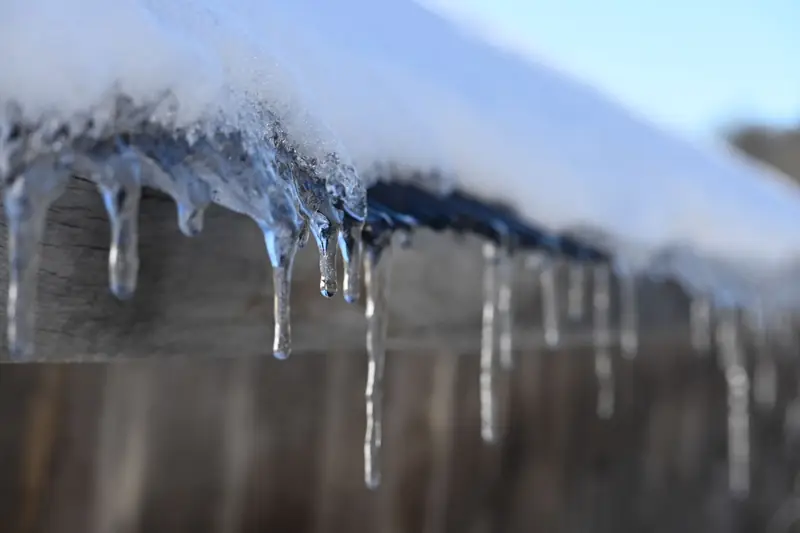
- Clear snow and ice from window wells and downspout outlets, and aim downspouts away from the wall.
- Record the water line on walls with photos before it recedes.
Water still spreading? Talk to a local restoration pro now.Have your ZIP code ready. A local restoration pro answers.
Call (509) 555-0134Insurance on basement water
Standard homeowners policies handle sudden internal sources, such as a burst pipe, much more kindly than outside water. Surface water and groundwater coming through walls or the floor are usually excluded. Sewer and drain backup is an optional add-on that many people don't realize they lack. Flood insurance is its own policy and typically has a waiting period before it takes effect, so it will not help for a storm that is already in the forecast. Call your agent and ask specifically about water backup and flood.
Where basement and crawlspace calls come from
Hillside and low-lying lots behave differently. In the Spokane Valley, crawlspaces and daylight basements get water when downspouts and yard grading fail. In Cheney and Medical Lake, shallow basalt in places can slow drainage, so water may travel sideways toward a foundation instead of soaking down. Older stone and brick homes on South Hill see seepage after long thaws. Lots near the river corridor around Nine Mile Falls can take water from below when the river runs high in spring.
None of this means your house will flood. It means the cause is local and specific, which is why the first walk-through matters. Ask the tech where the staining starts, which wall is wettest and whether the floor is damp at the edges or in the middle. Edge dampness usually points at the footing or the drain tile. Middle-of-the-floor water often points at a plumbing leak or a high water table. Those clues save you from paying to fix the wrong thing.
If the water is more than a trickle, emergency water extraction is the step to start with.
Sources and official resources
Service area
Basement Flooding help across the Spokane area
Choose your town or neighborhood for local details, ZIP codes and permit offices.
Spokane neighborhoods
Spokane County, WA
North Idaho
Homeowner guides
Guides about basement flooding
FAQ
Common questions
Straight answers to what Spokane homeowners ask most. Still unsure? Call and ask a local pro.
Call (509) 555-0134Is a wet basement the same as a flooded basement?
No. Dampness, seepage along a wall crack and a floor that shines with water after rain are one problem. Standing water you can wade through is another. Both can lead to mold, but standing water calls for pumping first.
Will my insurance cover a flooded basement?
It depends on how the water got in. A burst pipe or failed water heater is often covered. Groundwater seepage and rising water from outside usually are not, and need separate flood insurance. Sewer or drain backup is a separate endorsement on many policies.
How long does a flooded basement take to dry?
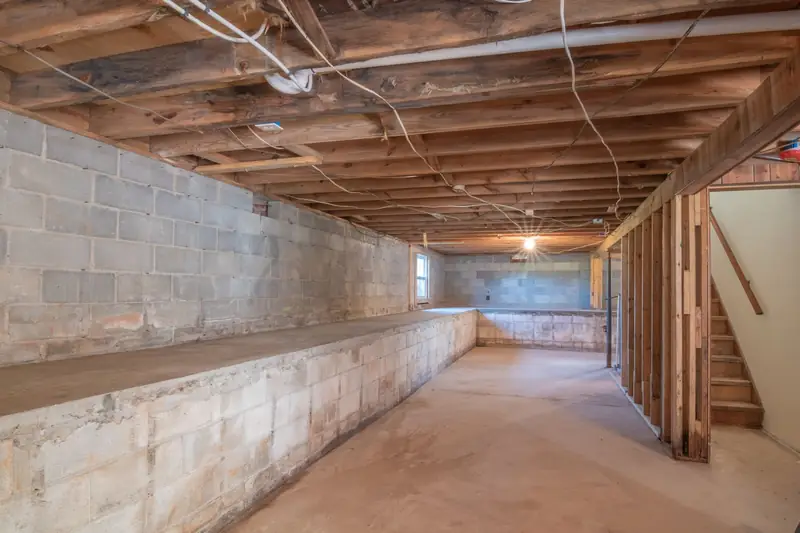
An unfinished basement with a concrete floor can dry in 3 to 5 days once water is out. A finished one with carpet, drywall and insulation takes longer and often involves tear-out. Crawlspaces vary because the soil keeps feeding moisture.
Is it safe to go into a flooded basement?
Not until power is confirmed off to that level. Water plus a furnace, panel or outlets is a shock hazard. Also be careful with water heaters and gas appliances. If you aren't sure, wait for a crew.
My crawlspace has standing water every spring. Is that normal?
It is common but not something to ignore. Repeated water points to a drainage or grading problem, and it feeds mold and rot under the floor. A crew can pump it out and dry it, then you or a contractor can address the cause.
Will a dehumidifier alone fix a damp basement?
It helps with humidity but doesn't remove water from soaked materials, and it can't keep up with active seepage. Fix the entry point first, then dry.
Need basement flooding help now?
Call now and a licensed restoration pro near you can walk you through the next hour and set up a visit.