Spokane, WA
Mold Remediation in Spokane
Mold is a moisture problem with a visible side effect. A licensed restoration crew near you fixes both: the growth and the reason it grew.
Have your ZIP code ready. A local restoration pro answers.
Updated November 12, 2026
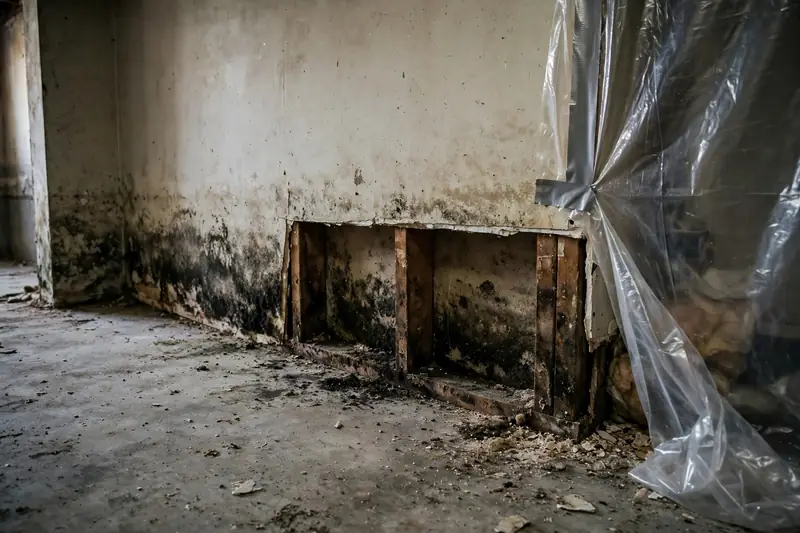
Mold rarely arrives alone. Most of the time it shows up two weeks after a leak that nobody saw, or a month after a basement took on water that dried only on the surface. If you are looking at black or green spots on a wall, or you keep smelling something musty in one room, the growth is only half the story. The other half is whatever is feeding it.
Start with the moisture, not the spots
Mold needs three things: a food source like drywall paper, wood or dust, the right temperature, and moisture. You cannot remove the first two from a house. So every sound mold job starts by finding the water.
That is why crews begin with a moisture meter and a flashlight instead of a spray bottle. A hidden plumbing leak, a roof leak or condensation on a cold wall can all feed the same stain. Remove the mold without stopping the source and it returns, usually within a season.

Where mold turns up in Spokane homes
Our winters are cold and long, our summers dry. That pattern gives mold a few favorite spots.
Basements after snowmelt. March and April bring thaw and rain onto frozen ground, and water finds its way through foundation cracks and along window wells. Homes with older fieldstone or early concrete foundations seep more, and finished walls trap the dampness. See basement flooding for how the water side is handled.
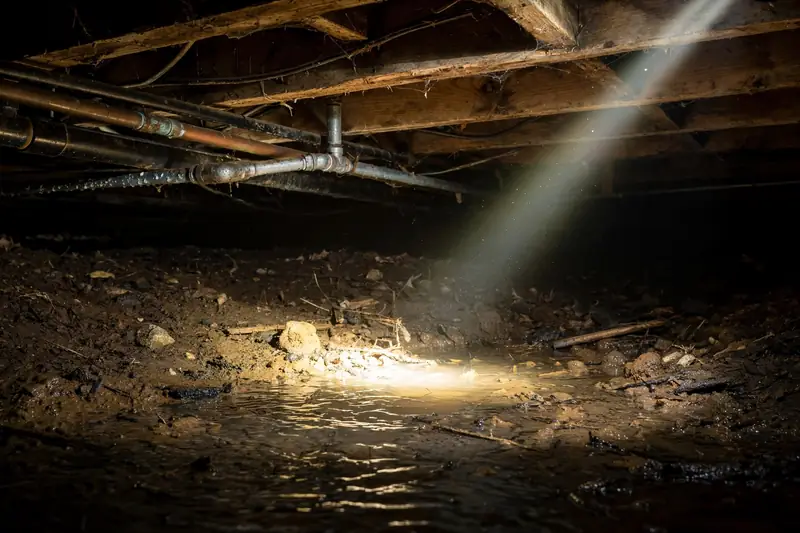
Crawlspaces. Many 1950s to 1970s homes sit on crawlspaces with bare soil and thin or missing vapor barriers. Ground moisture rises, condenses on cold ducts and floor framing, and sets up growth on the joists and subfloor.
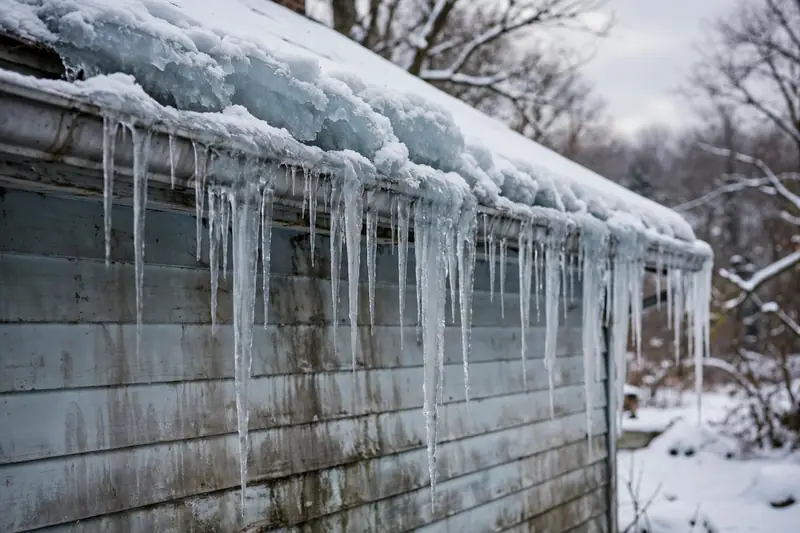
Attics. Warm indoor air leaks into the attic, hits cold roof sheathing and condenses in winter. That frost melts and wets the underside of the deck, which can blacken in patches. Ice dams add water from the other direction.
Bathrooms. Fans that vent into the attic or do not run long enough let steam settle on ceilings and grout. Older homes may have no fan at all.
Window sills and exterior walls. In tighter, newer builds, cold glass in January condenses water onto the sill and into the trim, and the problem stays unnoticed behind curtains and furniture.
After other water events. A burst pipe, a failed water heater or a sewage backup that dried badly can all end in mold. If a leak is how this started, our water damage restoration page covers the drying side.
Not sure how bad it is? A short call usually tells you.Have your ZIP code ready. A local restoration pro answers.
Call (509) 555-0134When to act the same day
Mold is seldom an emergency in the 911 sense, but some situations should not wait.
- Someone in the home has trouble breathing, wheezing or a severe reaction. Call your doctor. If breathing is a real emergency, call 911.
- You see growth over a large area, more than about 10 square feet, or it covers walls on more than one side of a room.
- There was sewage or floodwater involved. That is contaminated water and the mold is only part of the risk.
- You smell mold strongly but cannot find it. Hidden growth inside a wall or under flooring needs opening up by a professional, not poking around yourself.
While you wait, do not scrub or sand the area, do not run a fan across it, and do not spray it with anything. Stirring it up sends spores through the house. Close the door to the room, shut the vents there, and turn off any humidifier. If you can safely stop the source of water, such as shutting a supply valve, do that.
Water still spreading? Talk to a local restoration pro now.Have your ZIP code ready. A local restoration pro answers.
Call (509) 555-0134What the pros do, start to finish
- Inspect and set the scope. The crew finds the moisture source, measures the affected area and photographs it. Some jobs get lab sampling first, others do not need it.
- Contain the area. Plastic sheeting seals off the work zone. A HEPA-filtered air machine runs to create negative pressure, so air flows into the work area rather than out into your living space.
- Suit up. Respirators, gloves and disposable coveralls are standard.
- Remove what cannot be cleaned. Moldy drywall, insulation, carpet and soft trim come out and are bagged on site before leaving the containment. Framing lumber is usually kept and cleaned.
- Clean the structure. HEPA vacuuming, wire brushing or sanding where appropriate, and damp wiping. Some crews apply antimicrobial treatment or a sealer to bare wood.
- Dry and dehumidify. Remaining materials must reach normal moisture levels, or the growth restarts.
- Verify. Many homeowners hire a separate tester to take samples afterward and compare them with outdoor air. Using a different company than the one that did the work removes any conflict of interest.
- Rebuild and prevent. New drywall, paint and trim come last, along with the fixes that matter for the long run, like a bath fan vented outdoors or a crawlspace vapor barrier.
What drives the cost of mold work
The final cost depends on the inspection, and the company that inspects gives you the real figure. Ask for it as a written scope before any work begins.
| What affects the cost | Why it matters |
|---|---|
| Size of the affected area | A small patch can be handled in one visit. A whole room or run of framing takes containment and more labor. |
| Where it is growing | Crawlspaces and attics are slow to work in, and hand-cleaning framing takes time. |
| Materials involved | Mold on drywall usually means removal. Mold on solid framing can often be cleaned. |
| Testing and clearance | Inspection before and clearance testing after are separate steps from the removal itself. |
| Fixing the moisture source | A vapor barrier, a bath fan vented outdoors or a plumbing repair keeps it from returning. |
| Rebuild | Drywall, flooring and paint after removal are a separate stage with their own scope. |
Crawlspaces and attics cost more because of limited access, extra protective gear and the hand work involved in cleaning framing. A detailed breakdown is in the mold remediation cost guide, and the testing versus remediation post explains which step you need first.
Need someone to look at it today?Tell them your ZIP and what happened. A local pro picks up.
Call (509) 555-0134Choosing who does the work
In Washington, contractors must be registered with the Department of Labor & Industries, and you can look up a company on the L&I website in a minute or two. For Idaho jobs, look the company up with Idaho DOPL. Ask for a written scope that lists the square footage, the containment method, what will be removed and how the crew will confirm the job is finished. Be wary of a quote that is just a single number with no scope, or of anyone who promises that mold will never return.
Insurance and mold
Insurers handle mold differently than they handle water. Many homeowners policies cover mold when it follows a covered event, like a burst pipe, but put a dollar cap on it. Others exclude it, or cover it only if you reported the original water loss promptly. Mold from long-term humidity, a leak that sat for months or deferred maintenance is commonly denied.
Document everything early: dated photos, the plumber's invoice, any moisture readings. If you are filing a claim, make sure the first report covers the water loss, not just the mold that followed. The homeowners insurance and water damage guide for Washington explains the usual wording.
Local notes
In Spokane Valley, many ranch homes have crawlspace and attic mold tied to ventilation and ground moisture. In Cheney and the surrounding area, rental housing with weak bathroom ventilation is a common source of condensation growth. Across the state line, crews also serve Coeur d'Alene, where lake-area humidity adds to the mix. Older homes in Hillyard have the basement and foundation conditions that favor hidden growth.
Sources and official resources
Service area
Mold Remediation help across the Spokane area
Choose your town or neighborhood for local details, ZIP codes and permit offices.
Spokane neighborhoods
Spokane County, WA
North Idaho
Homeowner guides
Guides about mold remediation
FAQ
Common questions
Straight answers to what Spokane homeowners ask most. Still unsure? Call and ask a local pro.
Call (509) 555-0134Is all mold dangerous?
Not all mold is equally harmful, and you usually cannot tell the type by color. Any indoor growth is worth removing because it means something is staying wet. People with asthma, allergies or weak immune systems react most strongly.
Do I need a mold test before hiring a remediation crew?
Not always. If you can see mold or the cause is obvious, testing may add cost without changing the plan. Testing helps when there is a smell with no visible source, when a dispute needs documentation, or when you want a clearance check afterward.
Can I just kill it with bleach?
Bleach does poorly on porous materials like drywall and wood because the roots go deeper than the surface. It can also leave moisture behind. Removing or properly cleaning the material and fixing the water source is what actually ends the problem.
Will mold come back after remediation?
It will if the moisture returns. A good job ends with the humidity or leak problem addressed, whether that is a bath fan, a crawlspace vapor barrier or a gutter that dumps at the foundation.
Is it safe to stay in the house during remediation?
For small, contained jobs, usually yes. For larger jobs the work area is sealed under negative air pressure, and some households choose to stay elsewhere, especially with infants, older adults or anyone with breathing problems.
How soon after water damage does mold start growing?
On wet drywall, wood and carpet it can start within one to two days. That is why drying quickly after a leak or flood matters more than cleaning up appearances.
Need mold remediation help now?
Call now and a licensed restoration pro near you can walk you through the next hour and set up a visit.