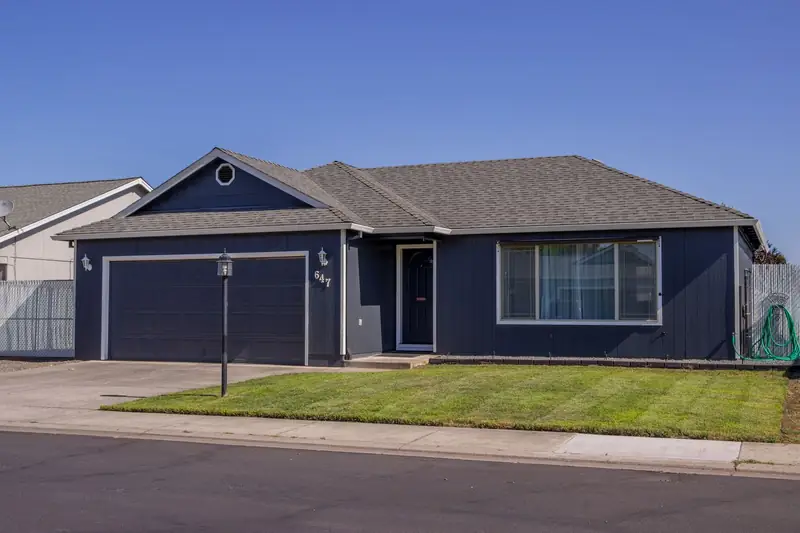
Spokane County, Washington
Water Damage Restoration in Spokane Valley
Ranchers on old orchard ground, split-levels with half basements, and a water table that moves with the river. Here is what actually goes wrong in Valley homes and who handles it.
Have your ZIP code ready. A local restoration pro answers.
- ZIP codes
- 99206, 99212, 99216, 99037, 99016
- County
- Spokane County
- From downtown Spokane
- about 9 miles
- Building permits
- City of Spokane Valley
- Contractor check
- Washington L&I contractor lookup
- Estimates
- Written estimate after an on-site inspection
Updated November 12, 2026
The Spokane Valley sits on coarse gravel, and that one fact explains most of what a restoration crew finds here. Water that escapes a pipe tends to drain down fast, but it still gets into subfloors, insulation and drywall on the way. The houses were mostly built in the postwar years on ground that used to be apple orchard, and they have aged in a particular way.
Housing from orchard rows to cul-de-sacs
The city of Spokane Valley was incorporated in 2003, but the homes are much older than the city. The old Opportunity township along Sprague Avenue built its township hall in 1912, and the orchard land around it filled in with ranchers and split-levels from the 1950s through the 1970s. Millwood, its own small town since 1927, sits inside the same footprint. Further east, Veradale and Greenacres mix newer subdivisions with older acreage lots.
You will see these ZIP codes on most Valley jobs: 99206, 99212, 99216, 99037 and 99016. North of the freeway, around Mirabeau Point and CenterPlace, the housing is newer. South of Sprague toward the Dishman Hills, it skews older and closer to the ground.
What goes wrong in Valley houses
Plumbing from the long building boom
A 1960s rancher may still have galvanized supply lines that have narrowed from the inside and weep at the threads. Homes plumbed between the late 1970s and the mid 1990s sometimes have gray polybutylene, which lets go at the fittings without warning. Cast-iron drain lines rust out at the bottom of the pipe first, so a slow leak can hide in a wall for months.
Crawlspaces and half basements
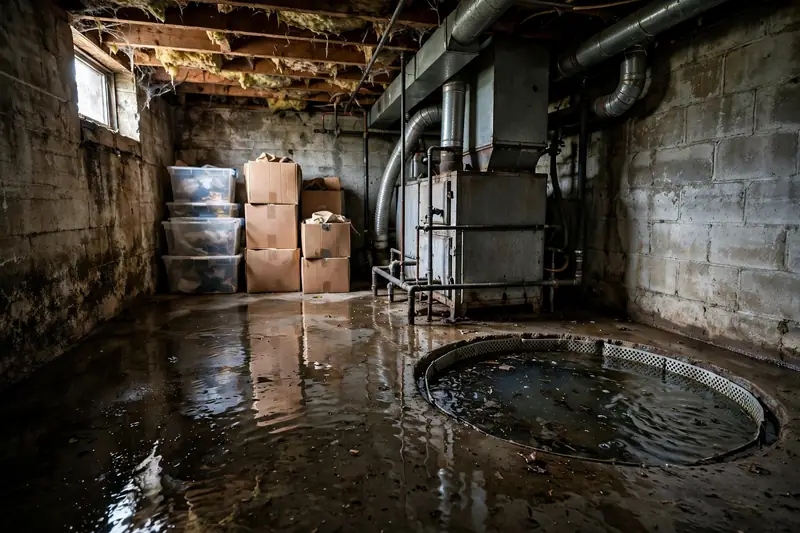
Many Valley ranchers sit on crawlspaces, not full basements. A supply line that fails under the floor can run for days before a damp smell or a soft spot in the flooring gives it away. Split-levels often have a lower level that is partly below grade, which is where a failed water heater or a sump pump outage does the most harm.
Groundwater that lags behind the weather
Because the aquifer follows the river, high groundwater in the Valley shows up later than in the city's hillside neighborhoods. Spokane's rain-on-snow trouble comes in March. Valley foundations are more likely to feel pressure in late May and June. The spring snowmelt guide explains the pattern in more detail.
Water still spreading? Talk to a local restoration pro now.Have your ZIP code ready. A local restoration pro answers.
Call (509) 555-0134A tip that only helps if you live here
Find your shutoff before you need it, and find the curb box too. On many Valley lots the main shutoff is in the garage or crawlspace, behind stored boxes, and it has not been turned in twenty years. If it will not close, the water purveyor for your street can shut the supply at the meter box near the curb. Call them and the restoration crew at the same time, not one after the other.
Water heaters in the garage
Valley ranchers often put the water heater in a garage or a utility closet next to the kitchen. A tank that is fifteen years old can rust through at the bottom, and the water spreads under the wall into the carpet of the nearest bedroom. Most leaks start as a damp spot on the floor, so check around the base of the tank each fall. The water heater leak guide lists what to shut off first.
What Valley homeowners usually call about
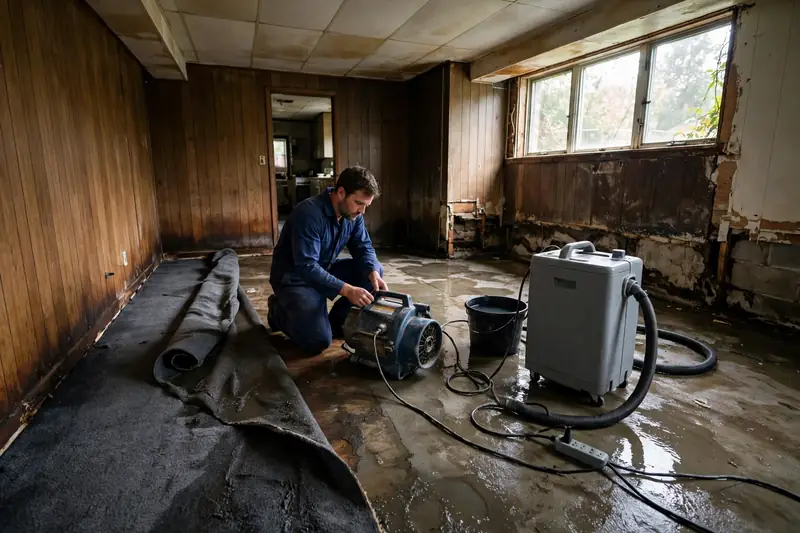
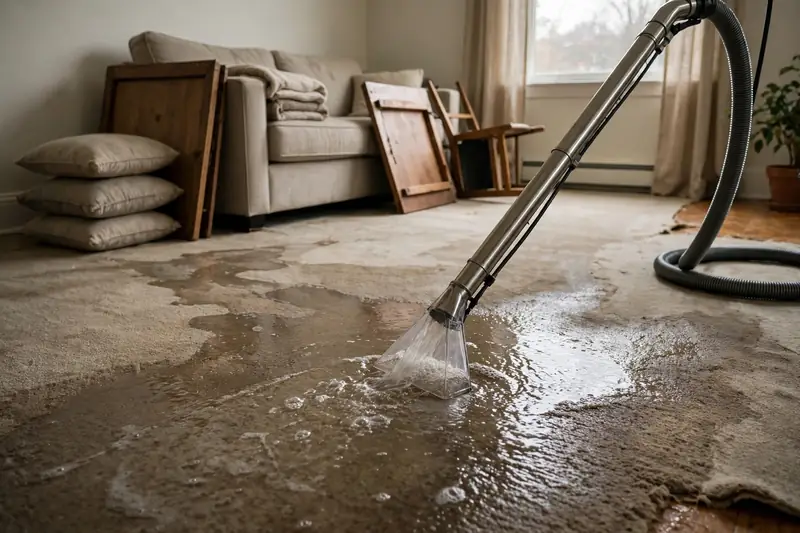
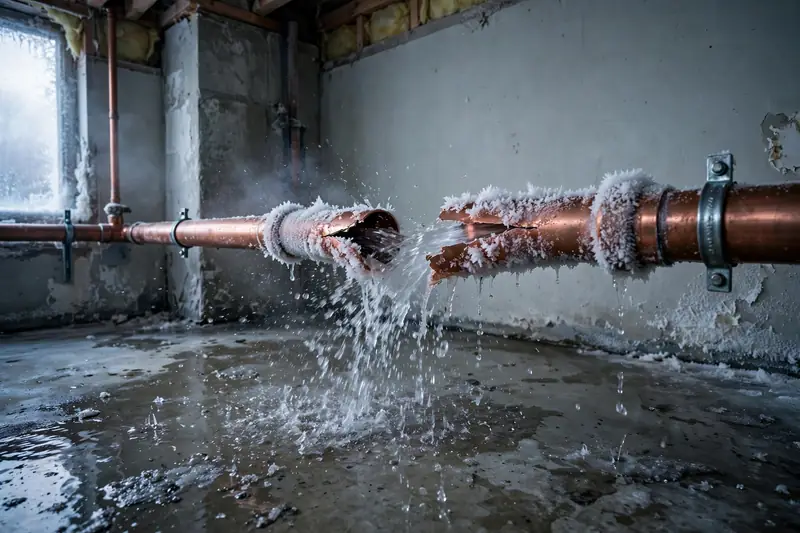
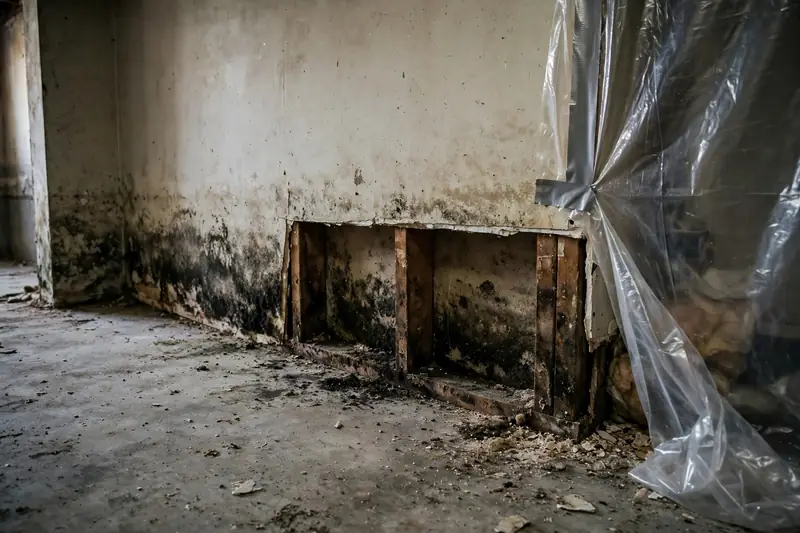
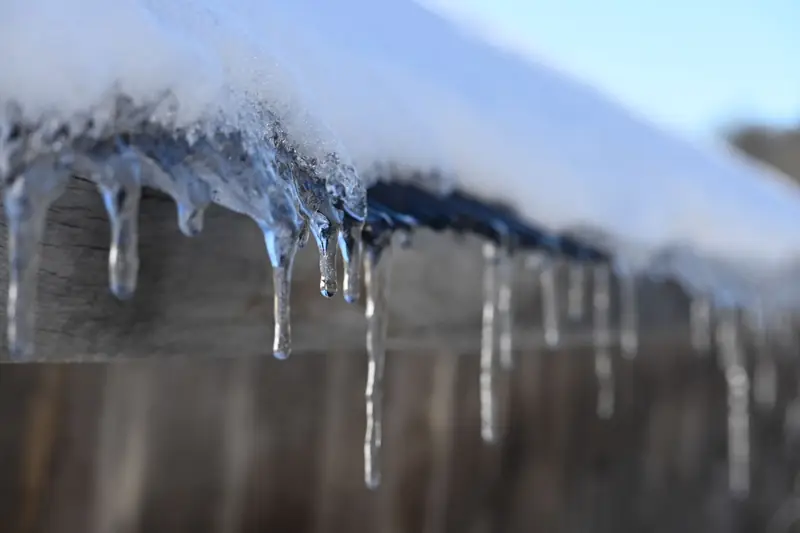
Most calls are for plain water damage restoration after a supply line, water heater or appliance failure. Winter brings burst pipe cleanup calls, especially in vacant rentals and homes with pipes in an exterior wall. Spring and early summer bring basement flooding calls from the lower levels of split-levels. A smaller share, usually a few weeks after an unnoticed leak, turns into mold remediation.
If you want the Valley specifics on each, the town-level pages cover them: water damage restoration in Spokane Valley, burst pipe cleanup in Spokane Valley and basement flooding in Spokane Valley.
How a response usually works from the Spokane side
The Valley is the closest of the outlying areas, and the crews are based on the Spokane side of the Valley line. Along Sprague, Appleway and the Pines and Evergreen corridors, a crew can often be at the door within an hour or so of dispatch, depending on the time of day and what they are already working on. Sullivan Road and the freeway ramps back up in the afternoon, which can add time. Out toward Greenacres and Veradale, plan for a somewhat longer drive.
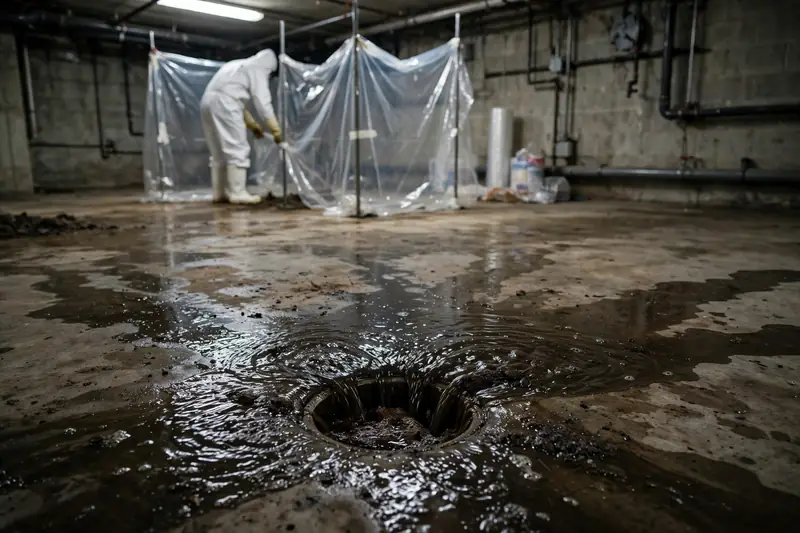
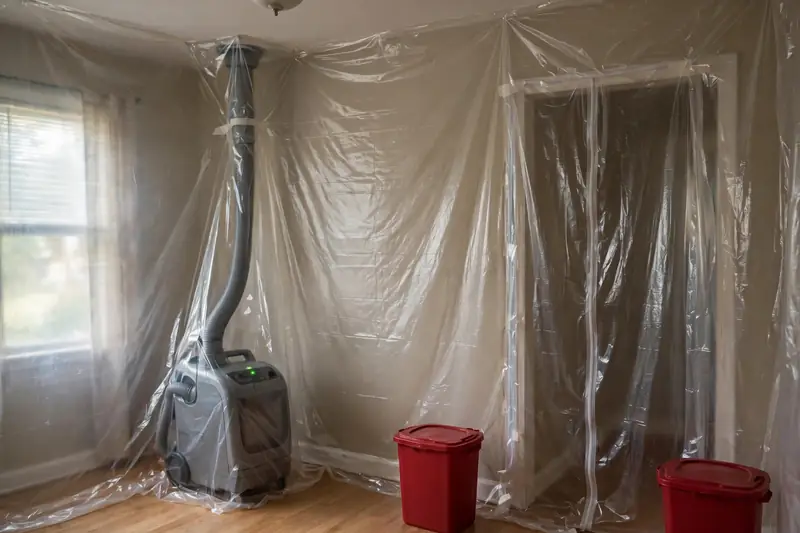
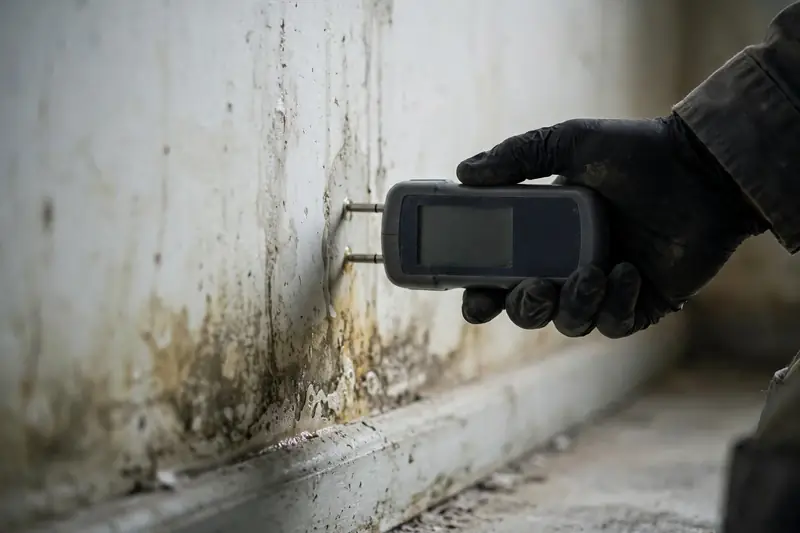
The first visit is usually extraction and a moisture check with a meter and thermal camera. Then the crew sets air movers and dehumidifiers, and most clean-water jobs dry in three to five days. The crew that comes out will tell you what comes out of the wall or floor and what stays.
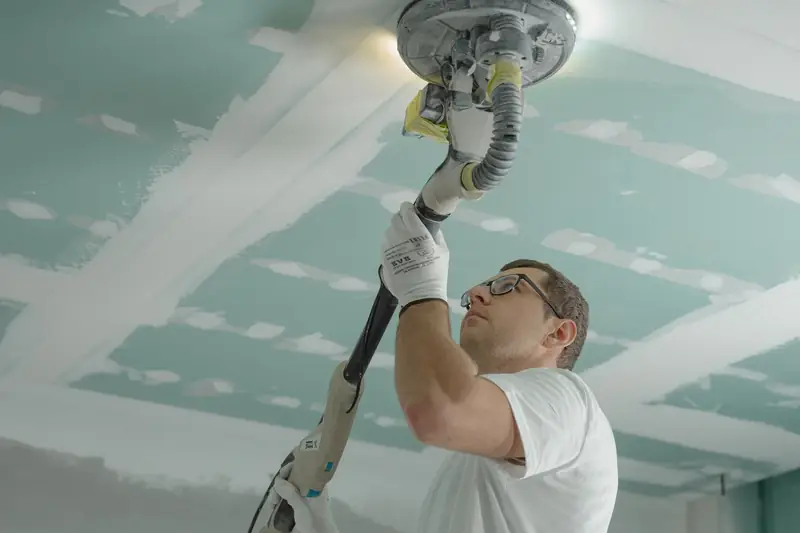
For a bigger loss, call the City of Spokane Valley permit center before the rebuild plan is final, since inside the city limits it issues the permits for plumbing, electrical and structural work.
Need someone to look at it today?Tell them your ZIP and what happened. A local pro picks up.
Call (509) 555-0134What shapes the bill in the Valley
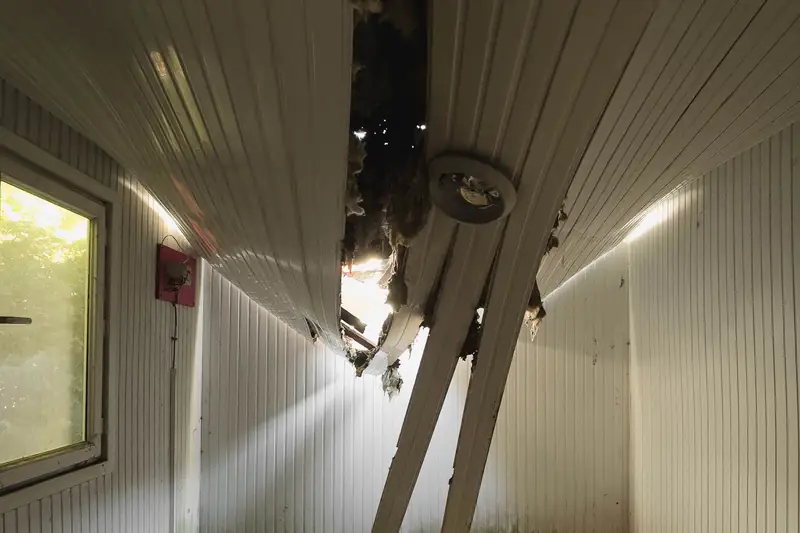
A one-room clean-water extraction and dry-out in the Valley is the small end of the range, and a whole-house job with tear-out is larger. If a rebuild is needed, the total moves up. The water damage restoration cost guide breaks down the pieces. Final numbers depend on the inspection, the square footage affected and how long the water sat. Ask for the figure in writing before work begins.
If insurance is involved, ask the crew for the moisture readings and photos they take on day one. Adjusters ask for those.
Sources and official resources
Services in Spokane Valley
What Spokane Valley homeowners call about
Tap a service for causes, cost factors and next steps.
Nearby
Areas near Spokane Valley
Homeowner guides
Guides for Spokane Valley homeowners
FAQ
Common questions
Straight answers to what Spokane homeowners ask most. Still unsure? Call and ask a local pro.
Call (509) 555-0134Why does my Spokane Valley basement get damp in June when the snow is long gone?
The aquifer under the Valley responds to the Spokane River, and the river usually crests in late spring from mountain snowmelt. Groundwater can sit high against a foundation weeks after the March thaw has passed. A sump pump that was dry in April may start running in late May.
Which ZIP codes does this page cover?
Valley addresses fall mostly in 99206, 99212, 99216, 99037 (Veradale) and 99016 (Greenacres). If yours is in none of those, a call will still sort out whether a crew covers you.
My house was built in the 1980s. Should I worry about the plumbing?
Look at the pipes under the kitchen sink and by the water heater. Gray plastic pipe is polybutylene, which was common from the late 1970s into the mid 1990s and tends to fail at the fittings. Copper and white or red PEX are the usual replacements.
Do I need a permit for the rebuild after a flood in the Valley?
Drying and tear-out usually do not need one. Replacing drywall in large areas, electrical, or plumbing can, and inside city limits that goes through the City of Spokane Valley permit center. Unincorporated addresses fall under Spokane County instead. The crew doing the work normally knows which applies.
Is a washing machine hose failure covered by insurance?
Many homeowners policies cover a sudden hose burst but not damage from a leak that went on for weeks. The adjuster will look at how long the water was running. Take photos before anything is removed and keep the failed hose if you can.
Water damage in Spokane Valley?
Call now and a licensed restoration pro near you can walk you through the next hour and set up a visit.