Homeowner guide
Does Homeowners Insurance Cover Water Damage in Washington?
Sometimes yes, sometimes no. It turns on how the water got in, and on a few lines in your policy that most people never read.
Have your ZIP code ready. A local restoration pro answers.
Updated November 11, 2026 · 6 min read
This page offers general information and is not legal advice. Policies differ by insurer and by state, so the wording of your own policy governs. Use this guide to know which questions to ask, not to predict a result.
The rule that decides most claims: sudden or gradual
Most standard homeowners policies cover damage that is sudden and accidental and exclude damage that happens gradually. Nearly everything else follows from that line.
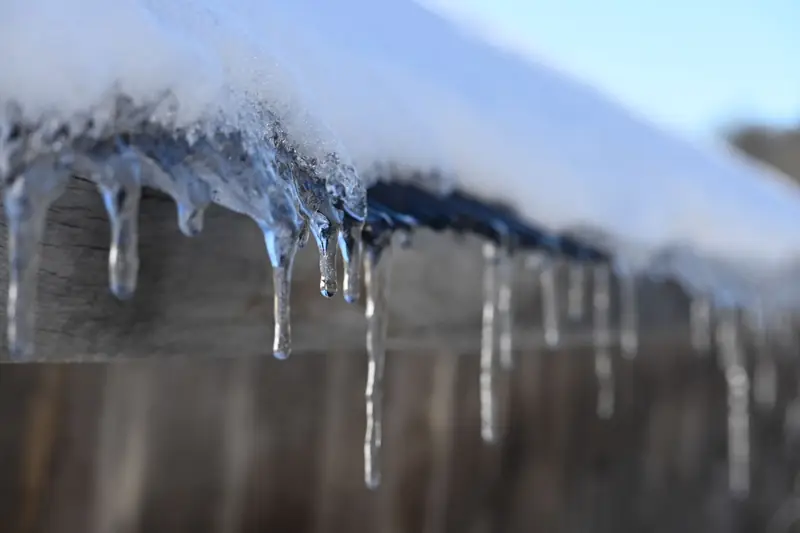
Usually treated as sudden: a supply line that bursts, a water heater that ruptures, a washing machine hose that pops off, a pipe that splits in a freeze, an overflow from a tub that fails, water from a roof that is torn open by wind.
Usually treated as gradual: a drip under a sink that has been going for months, a slow leak behind a tub, long-term condensation, a roof that has been seeping through worn shingles for seasons, rust or corrosion on aging pipes.
The same wet drywall can fall on either side depending on the story the evidence tells. That is why documentation matters, and why photos taken early beat explanations given later.
What many policies cover, and what they do not
| Cause of water | Typically covered? | Notes |
|---|---|---|
| Burst or frozen pipe | Often yes | May require reasonable heat in the home |
| Water heater failure | Damage often yes, heater itself usually no | Wear and tear is excluded |
| Appliance overflow or hose failure | Often yes | Sudden failure |
| Roof leak from storm damage | Often yes | Depends on cause and roof condition |
| Slow leak over weeks or months | Often no | Gradual damage exclusion |
| Groundwater or surface flood | Usually no | Needs separate flood coverage |
| Sewer or drain backup | Usually no unless endorsed | Optional endorsement |
| Sump pump failure or overflow | Usually no unless endorsed | Same endorsement, often |
| Mold after a covered loss | Sometimes, with a limit | Policy language varies |
| Maintenance, wear, neglect | No | Standard exclusion |
Treat the table as a map of what to look for, not a guarantee.
Not sure how bad it is? A short call usually tells you.Have your ZIP code ready. A local restoration pro answers.
Call (509) 555-0134The flood exclusion
Water that comes from outside the home and rises or flows over land is generally called flood, and standard homeowners policies typically exclude it. That covers river overflow, heavy runoff, and often groundwater seeping through basement walls. In Spokane, spring snowmelt and rain-on-snow events are the classic examples. If you are in a floodplain or have a basement that has seeped before, flood insurance is bought separately, through the National Flood Insurance Program or a private insurer. Policies usually carry a waiting period before they take effect, so buying one during a storm is too late.
The state insurance commissioner's office has warned consumers that flood damage is generally not covered under homeowners policies, which is a useful reminder that the flood question is one to settle before the water arrives.
Sewer backup and sump pump endorsements
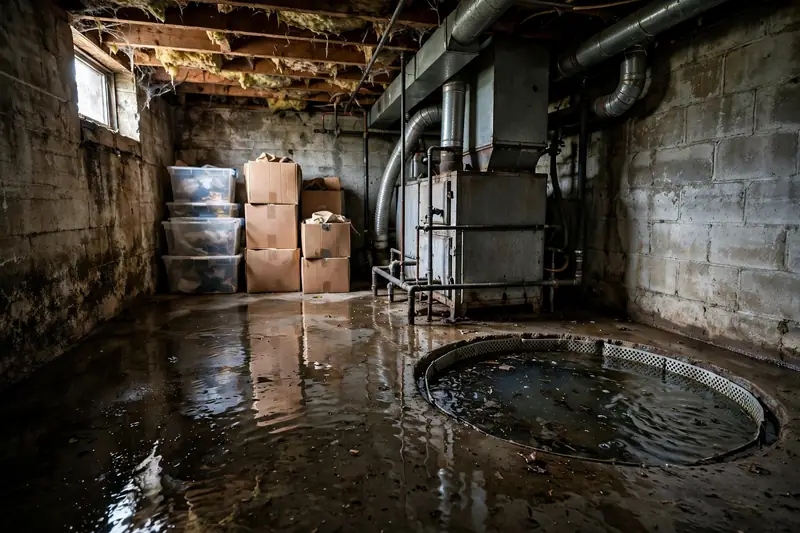
Water that backs up through a drain or comes up from a sump pit that fails is generally not covered by a basic policy. Insurers sell an endorsement, sometimes called water backup or sewer and drain backup coverage, which adds protection. These usually come with a fixed coverage limit, and that limit can be modest compared to what a finished-basement cleanup takes. If your home has a basement, a finished space below grade, or an old sewer line, it is worth asking your agent exactly what the endorsement covers and what it does not. The sewage backup guide explains what happens physically when a line backs up.
Deductibles, sublimits and the fine print
Look at three numbers on your declarations page:
- Deductible. What you pay before the insurer pays. Some policies have a separate, higher deductible for certain perils.
- Sublimits. A policy might cap water damage, mold or backup at a figure lower than the full coverage amount. The state commissioner's guidance tells consumers to look for water damage sublimits.
- Coverage basis. Replacement cost pays to replace the item with new, while actual cash value subtracts depreciation.
Also notice duties after a loss. Most policies require you to protect the property from further damage, give prompt notice, and let the insurer inspect.
Need someone to look at it today?Tell them your ZIP and what happened. A local pro picks up.
Call (509) 555-0134How to document a claim
Strong documentation helps with any insurer and any cause.
- Take photos and video before you clean. Wide shots of each room, close shots of damage, the source of the water, and the water line on walls.
- Note the time. Write down when you discovered it, what you did and when.
- Stop the source. Shut off the water. This is both a duty and the best way to limit damage.
- Keep damaged items until the adjuster has had a chance to see them, or at least photograph them and note the model and age.
- Save receipts for emergency repairs, hotel stays, equipment and cleanup.
- Get a written scope from a licensed restoration company that lists extraction, drying, tear-out and rebuild.
- Keep a log of every call: date, person, what was said.
- Ask for the adjuster's notes and any engineer or plumber reports.
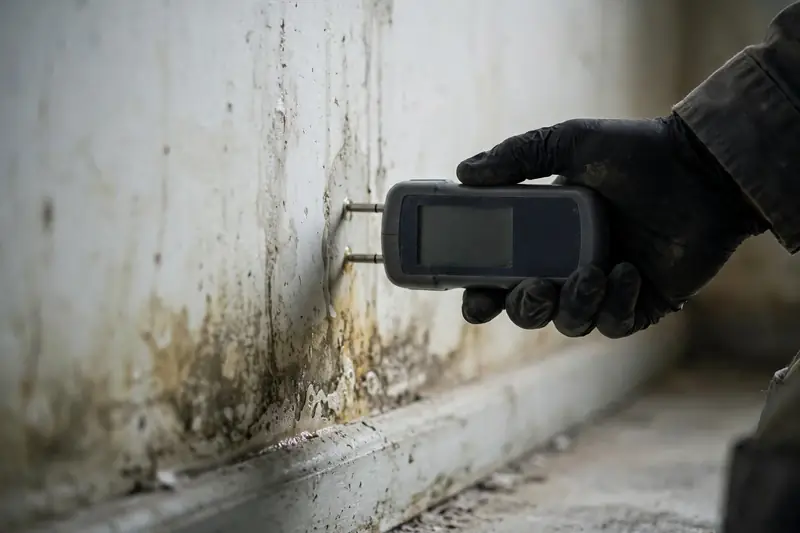
A restoration crew will also keep moisture logs, which show that a space actually dried, and that is useful evidence if there is a dispute about scope.
Water still spreading? Talk to a local restoration pro now.Have your ZIP code ready. A local restoration pro answers.
Call (509) 555-0134Mitigate first, argue later
Most policies expect you to take reasonable steps to prevent more damage. That does not mean waiting for approval before you extract water. Standing water starts causing secondary damage fast, and delay can affect what the insurer will pay for. Start emergency work, document it, then talk to the adjuster. The page on water damage restoration explains what the drying phase involves, and a burst line is covered at burst pipe cleanup.
What costs are in play
Costs vary with the water category, the area wet and whether a rebuild follows the drying; the inspection gives you a real figure. If that written figure looks close to your deductible, you may decide not to file. The water damage restoration cost guide and the burst pipe repair cost guide can help you compare a loss to your deductible.
Working with the adjuster
- Be factual and specific. Do not guess at causes.
- Do not sign a release or accept a final payment until the full scope, including hidden damage, has been checked.
- If your contractor's estimate is higher than the adjuster's, ask for a line-by-line comparison. Differences often come from unit prices or from items left out.
- Ask whether the insurer pays you directly, pays the contractor, or includes your mortgage company on the check.
Where to turn for help in Washington
The Washington State Office of the Insurance Commissioner regulates insurers in the state and publishes consumer guides, including a homeowner insurance guide. It accepts consumer complaints and questions on its website, insurance.wa.gov. If you believe your insurer is slow, unclear or unfair, contacting the office is a free step. A licensed attorney or a public adjuster is another option for complicated or denied claims, and both are decisions for you to make with proper advice.
Contractors in Washington should be registered with the Department of Labor & Industries, which lets you look up registration online. In Idaho, check with the Division of Occupational and Professional Licenses.
Questions to ask your agent today
- Does my policy cover sudden pipe breaks, and does it require the heat to be on?
- Do I have sewer or water backup coverage, and what is the limit?
- What is my mold limit?
- What is my water damage deductible?
- Do I have any flood coverage, and what would it take to add some?
Homeowners in Valley neighborhoods around Spokane Valley with crawlspaces and older plumbing often learn about these limits only after a claim. Learning them now costs a ten-minute call.
Water still spreading? Talk to a local restoration pro now.Have your ZIP code ready. A local restoration pro answers.
Call (509) 555-0134Sources and official resources
Related
Services and areas for this guide
Homeowner guides
Keep reading
FAQ
Common questions
Straight answers to what Spokane homeowners ask most. Still unsure? Call and ask a local pro.
Call (509) 555-0134Does my policy cover a burst pipe?
Many homeowners policies cover sudden and accidental water damage from a burst pipe. The cost to repair the pipe itself is often handled differently, and some policies expect the home to have been heated. Check the wording and ask your agent.
Is a slow leak under the sink covered?
Often not. Policies commonly exclude damage from leaks that go on for weeks or months, and from wear, rust or neglected maintenance. Some allow coverage for the hidden portion if you could not have known about it.
Will filing a claim raise my premium?
It can, and the claim may stay on a claims history database that insurers check. That is a good reason to get a repair estimate first, and to ask your agent how a claim could affect renewal, before filing a small loss.
What if my claim is denied or the payment is too low?
Ask for the denial in writing with the policy language cited, send any additional documentation, and request a re-inspection. You can also contact the Washington Office of the Insurance Commissioner, which takes consumer complaints about insurers.
Do I have to use the contractor my insurer suggests?
Generally, no. You can usually choose your own licensed contractor, though the insurer may require its own review of the estimate. Check your policy and talk with the adjuster.
Water where it shouldn't be?
Call now and a licensed restoration pro near you can walk you through the next hour and set up a visit.