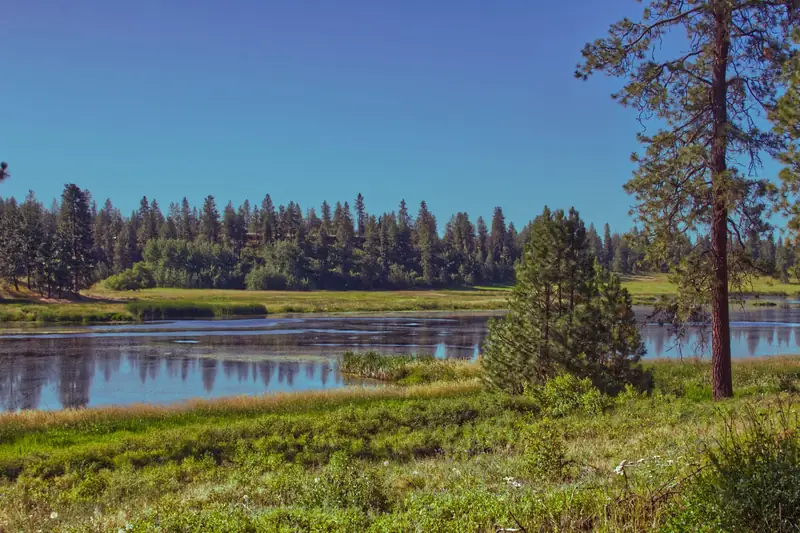
Spokane County, Washington
Water Damage Restoration in Nine Mile Falls
Two counties, one river, a long reservoir and homes tucked into the trees. Water damage here comes with a map problem as well as a pipe problem.
Have your ZIP code ready. A local restoration pro answers.
- ZIP codes
- 99026
- County
- Spokane and Stevens counties
- From downtown Spokane
- about 10 miles
- Building permits
- Spokane County or Stevens County, by address
- Contractor check
- Washington L&I contractor lookup
- Estimates
- Written estimate after an on-site inspection
Updated November 12, 2026
Nine Mile Falls is not one tidy town. It is a scatter of communities along State Route 291 and the Spokane River northwest of the city, where the Nine Mile Dam sits and Lake Spokane, also known as Long Lake, begins. Homes sit in pine woods, on river bluffs and along the lakeshore, and many are far from a city water main.
Two counties and a lot of woods
The Spokane River forms the county line downstream of the dam, so Nine Mile Falls straddles Spokane County and Stevens County. West of the river, Charles Road crosses just below the dam and reaches the western side of the community, and the Suncrest area has grown into a large residential pocket in Stevens County. ZIP code 99026 covers both sides.
Housing runs from 1960s and 1970s cabins and ranchers to manufactured homes on acreage and big newer builds with views. Most use a private well and a septic system. Listings in the area mention wells from 25 to 70 feet deep with good flow, which is useful but means the groundwater is close.
What damages homes near the river and the lake
Shoreline water tables
Lake Spokane is a reservoir, and homes close to it often have a water table only a few feet down. A crawlspace on one of those lots can hold damp air all year. When spring runoff pushes the water table up, it can reach the footing. The crawlspace water damage cost guide covers what drives a dry-out.
Wells and septic on wooded lots
Tree roots find septic lines and cracks in tanks. Heavy rain or snowmelt saturates a drain field, and the first sign is often a slow drain or a gurgle in a basement floor drain. When it fails, the result is sewage in the house. The county health offices regulate septic work, and which one applies depends on which side of the line your parcel is on.
Power loss and sump pumps
Long outages after a storm are normal in wooded areas, and Avista crews have a lot of ground to cover. A basement with a sump pump and no backup power can fill during a wet-weather outage. If you have a generator, test it before winter.
Falling trees and roof damage
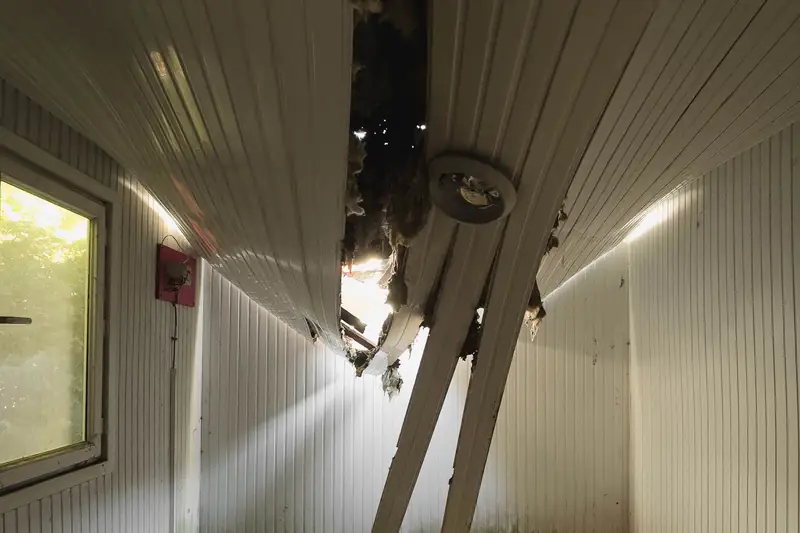
Wind throws branches and trees onto roofs in this area every year. A cracked roof deck lets rain in at once, and a small hole in the shingles can leave a ceiling stained in a few hours. The roof leak water damage page explains the temporary-cover step.
Water still spreading? Talk to a local restoration pro now.Have your ZIP code ready. A local restoration pro answers.
Call (509) 555-0134A tip that only matters in two-county country
Before you call anyone, look up which county your lot is in. Septic repair, drain-field work and any rebuild permit go through the health department and building office on your side of the river, and they do not share records. Having the parcel number and county ready saves a phone call, and if you plan a sale later, you want paperwork in the right file.
Steep sites and drainage
Many homes here sit on slopes, with a driveway cut into the bank and a downhill-facing wall. Rain and snowmelt find those cuts. A retaining wall can hold water behind it until a crack opens, and a downspout that dumps at the corner of the house puts water exactly where the foundation is weakest. Walking the property during a rainstorm shows you where the water goes.
What people in Nine Mile Falls usually call about
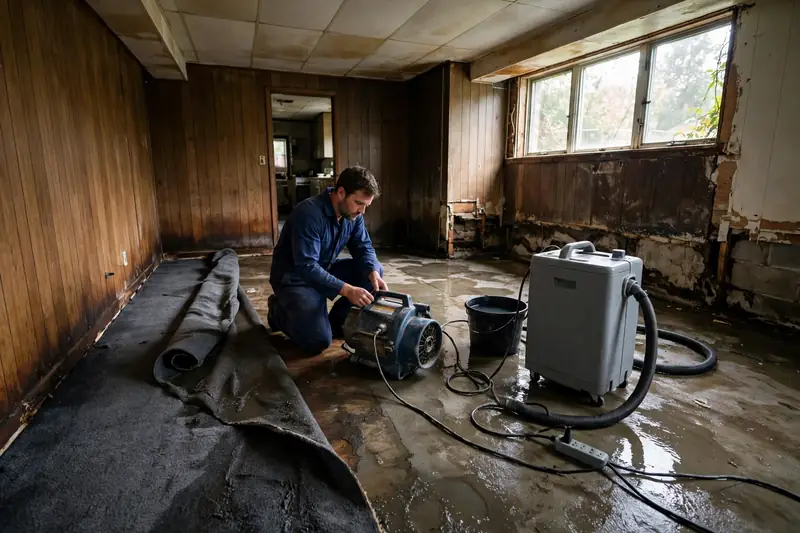
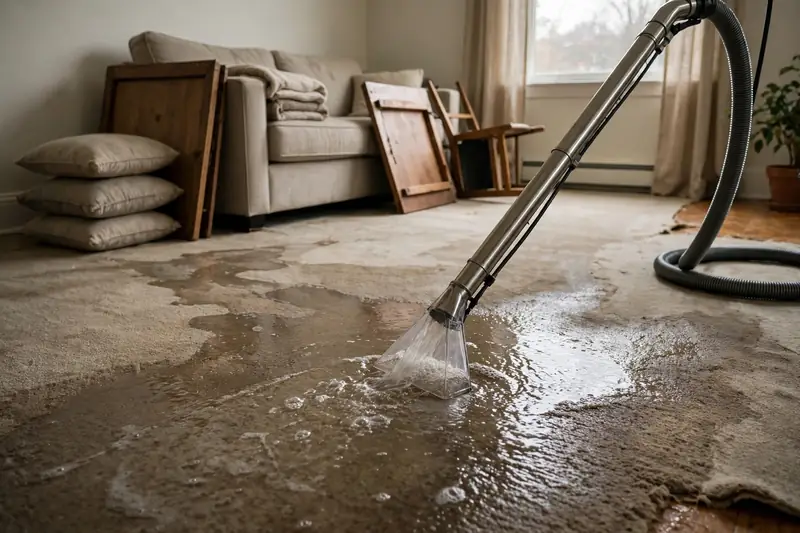
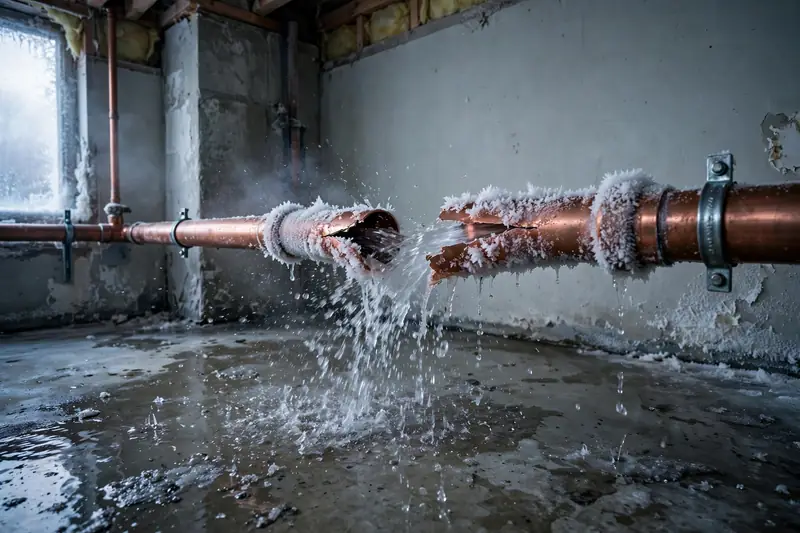
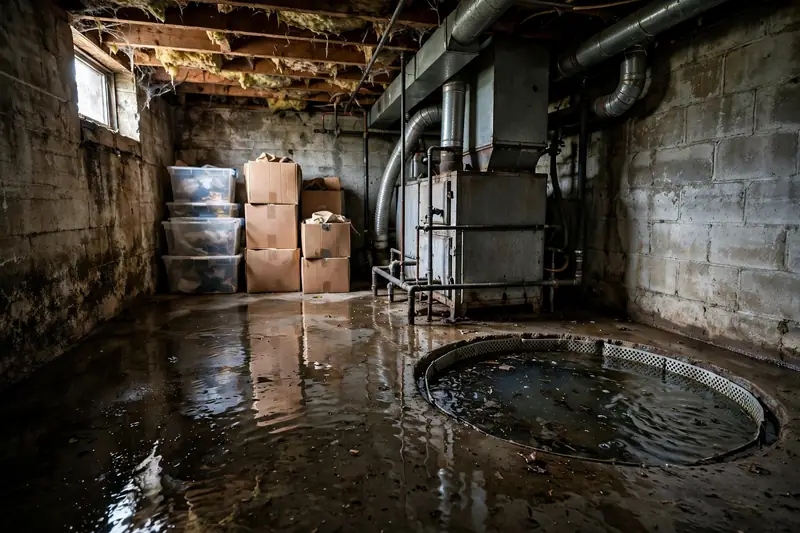
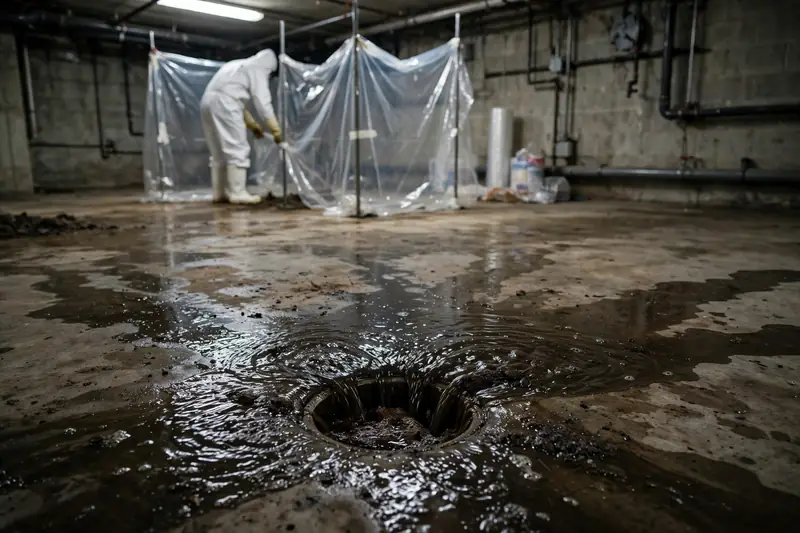
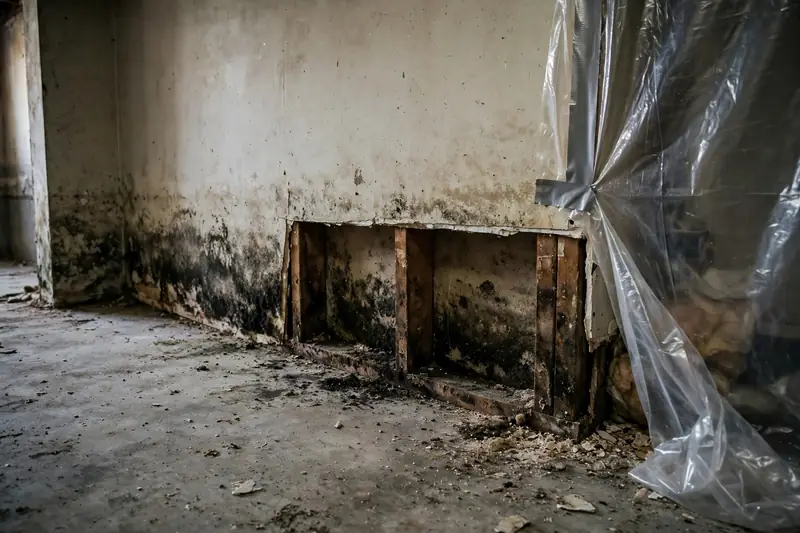
Water damage restoration is the common call after a plumbing failure or roof leak. Basement flooding comes from sump failures and wet springs. Sewage cleanup arrives with septic problems. After storms, emergency water extraction is the request that gets the quickest attention.
How a response usually works from the Spokane side
The drive from the Spokane side is typically 25 to 40 minutes. State Route 291 is the main route, and the road narrows and curves along the river. In winter, ice on the bluffs and on private lanes can slow a truck. The crew may stage equipment on the road if the driveway is too steep.
Give the dispatcher a clear description of the route, including turns off State Route 291 and the name of your road. Cell coverage can be spotty on the river, so confirm the address and a back-up phone number before the call ends. Crews usually begin with extraction, then take moisture readings and set up drying equipment.
Wooded lots bring fire season into the picture. When a fire crew soaks a house to save it, the structure needs drying as fast as after any plumbing leak, and smoke odor often travels with the water. Tell the dispatcher if smoke was involved so the right deodorizing equipment is on the truck. Keep any documents from the fire department with your claim file.
Need someone to look at it today?Tell them your ZIP and what happened. A local pro picks up.
Call (509) 555-0134What changes the bill in Nine Mile Falls
Nine Mile Falls jobs depend less on a county average than on the property: a crawlspace beside Lake Spokane with a high water table takes longer to dry than a dry one, and one room of clean water is a small job next to a wet lower level. Long drives and steep access can add a trip fee. A property with a detached garage or shop may need a separate line in the estimate. The estimate firms up after an inspection.
If your well or septic system was affected, ask for the contact for the health department in your county before you start repairs.
Sources and official resources
Services in Nine Mile Falls
What Nine Mile Falls homeowners call about
Tap a service for causes, cost factors and next steps.
Nearby
Areas near Nine Mile Falls
Homeowner guides
Guides for Nine Mile Falls homeowners
FAQ
Common questions
Straight answers to what Spokane homeowners ask most. Still unsure? Call and ask a local pro.
Call (509) 555-0134How do I know if my Nine Mile Falls home is in Spokane County or Stevens County?
Check your property tax statement or the county assessor lookup. The Spokane River is the boundary downstream of the dam, so the answer can change from one side of the road to the other. It decides which health district and permit office applies to your septic and rebuild.
What is different about a wet crawlspace near Lake Spokane?
Properties near the shoreline have a higher water table, so groundwater can enter through the footing or a vent. Pumping the water out is half the job. Without correcting the grade or adding drainage, it comes back.
Do I need a permit to rebuild after water damage here?
Cosmetic repair usually does not. Structural changes, new plumbing or electrical do, and the office depends on the county. Spokane County Building and Planning handles one side. Stevens County handles the other.
Can a crew get a truck up my road?
Usually, but tell the dispatcher about steep grades, narrow bridges, gates and unplowed winter driveways. Crews can run hoses and use portable equipment from the road if the truck cannot get all the way in.
Is the drop in the lake level in fall a flood risk or a benefit?
The lake is a reservoir behind a dam, and its level is managed by the dam operator. That makes shoreline conditions different from a natural lake. For flood questions on a specific lot, check county flood maps.
Water damage in Nine Mile Falls?
Call now and a licensed restoration pro near you can walk you through the next hour and set up a visit.