Homeowner guide
What to Do When Your Pipes Freeze in Spokane
A step-by-step plan for the morning you turn on the tap and nothing comes out, or something worse comes out.
Have your ZIP code ready. A local restoration pro answers.
Updated November 11, 2026 · 6 min read
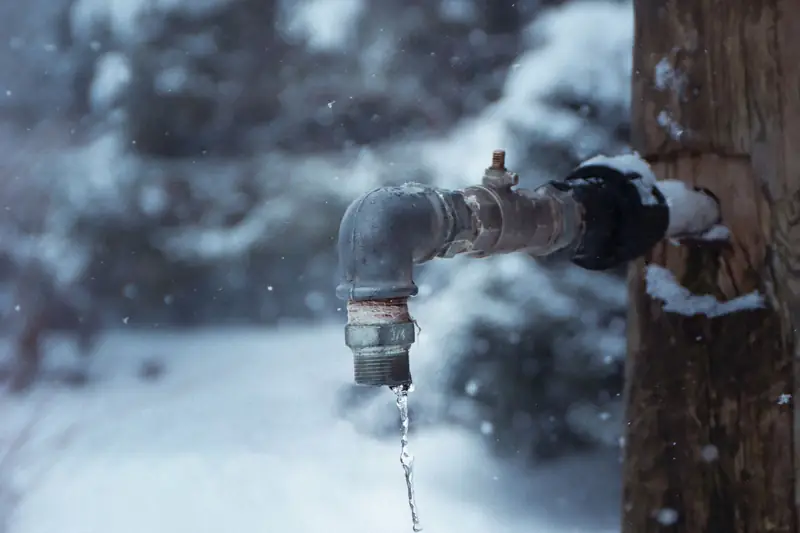
You turn on the kitchen faucet and get a hiss, a trickle or nothing at all. In a Spokane January that usually means ice, and the next hour decides whether you have a thawed pipe or a flooded floor. Start with the steps below.
Do these five things right now
- Leave the faucet open. Open the tap that is not running, both hot and cold. Melting ice needs a path out, and an open tap relieves the pressure that splits copper and PEX.
- Look for water where it should not be. Check the ceiling below bathrooms, the basement ceiling, the crawlspace, the wall behind the sink. Stains, drips or a hissing sound mean a pipe has already broken.
- Shut off the main water valve if you see or hear any leak. The next section shows you how to find it.
- Turn the heat up and open the cabinet doors. Warm air has to reach the pipes on the exterior wall.
- Photograph everything before you move it. Damage, wet spots and the frozen section. You will want the pictures later.
Water still spreading? Talk to a local restoration pro now.Have your ZIP code ready. A local restoration pro answers.
Call (509) 555-0134Frozen or burst: how to tell
A frozen pipe is blocked. A burst pipe is open. The difference matters because only one of them is leaking.
Signs of a frozen pipe: Water slows to a trickle or stops. Frost shows on exposed pipe. You may see a faint bulge in one section. Pipes along exterior walls, in unheated garages, crawlspaces and under kitchen sinks freeze first.
Signs of a burst pipe: Water stains spreading on a ceiling or wall, a drip you can trace, the sound of running water when everything is off, a wet floor, or a water meter dial that keeps moving with every fixture closed. Often the pipe splits during the freeze and only starts leaking when the ice melts. So the kitchen can seem normal over breakfast and have water across the floor by lunch.
If a pipe is frozen but not split, you have a nuisance. If it is split, you have a plumbing repair and a water cleanup job.
Not sure how bad it is? A short call usually tells you.Have your ZIP code ready. A local restoration pro answers.
Call (509) 555-0134Find your main water shutoff
Every adult in the house should know where this valve is before the cold snap, not during it.
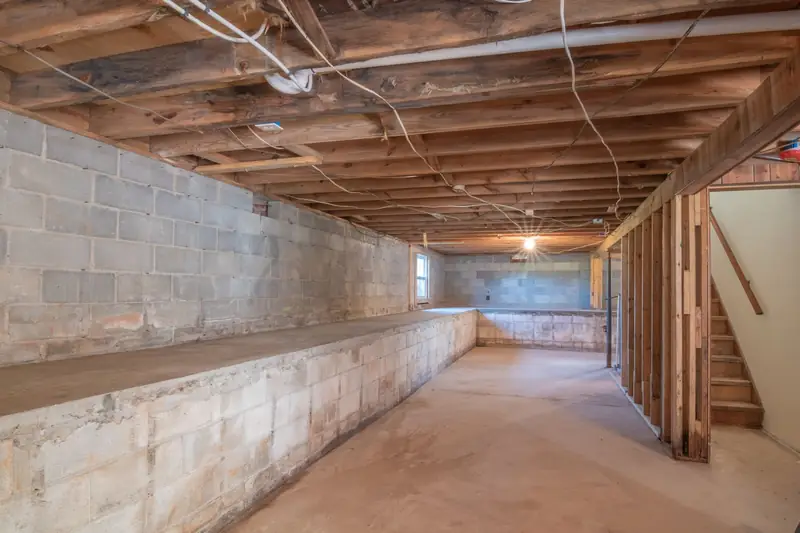
- Basement homes (common in older South Hill, Browne's Addition and Logan houses): look along the front foundation wall, close to where the water line comes in from the street. It is often near the water heater or a floor drain.
- Crawlspace homes (many mid-century ranches in the Valley): the valve may be just inside the access hatch or under the kitchen.
- Slab homes: check the garage, a utility closet, or an exterior wall near the water heater.
- Rural properties (Deer Park, Chattaroy and similar): the line may come from a well and a pressure tank. The shutoff is usually near the tank, and the pump breaker is your second shutoff.
A ball valve has a lever handle: turn it a quarter turn so the handle sits crosswise to the pipe. A gate valve has a round wheel: turn it clockwise until it stops, and do not force it. Older gate valves can crumble or leak at the stem, so turn gently and check.
At the street there is also a meter box with a utility shutoff. That one belongs to the water provider, and you should not use it unless the utility tells you to. Your own valve on the house side is the one you want.
How to thaw a pipe safely
Only thaw a pipe you can see and reach, and only after you have checked that it is not already leaking.
- Keep the faucet open.
- Start at the end of the frozen section closest to the faucet and work back toward the cold part. Water and steam escape that way.
- Use a hair dryer on low or medium, a heating pad wrapped around the pipe, or towels soaked in hot (not boiling) water.
- A small space heater works if it sits on a stable surface, is a few feet from anything flammable, and you stay in the room.
- Keep going until full pressure returns. Then check every joint along that pipe for drips.
A pipe in the crawlspace or in a wall cavity is a different story. If you cannot reach it, aim a heater at the wall from outside the cavity, open nearby cabinets, and call a plumber if nothing improves in an hour or two.
What never to do
- Never use an open flame. No propane torch, no lighter, no camp stove. Old wiring, dry framing and insulation catch fast, and a torch can overheat solder joints and cause the leak you were trying to avoid.
- Never use a kerosene or propane heater inside to warm a crawlspace. Carbon monoxide is a real risk.
- Never pour boiling water on a pipe. Rapid expansion can crack a pipe that is already stressed, and it can crack a fixture.
- Never leave a heat source unattended on or near a pipe.
- Never ignore a bulge. A swollen pipe is one that is about to split.
- Never walk into standing water if the outlets or the panel are nearby. Turn off the breaker for that area first if you can reach the panel dry.
Need someone to look at it today?Tell them your ZIP and what happened. A local pro picks up.
Call (509) 555-0134If a pipe has burst
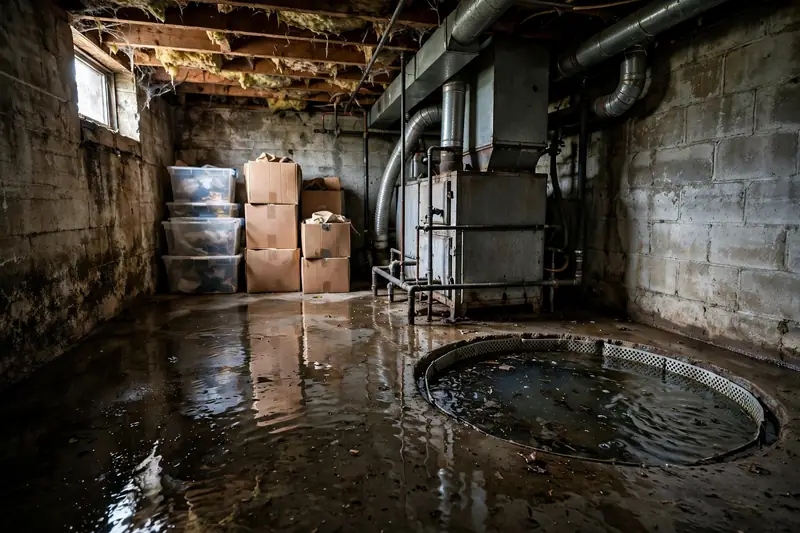
Shut off the main, open the lowest faucets to drain the lines, and turn off the water heater (the shutoffs depend on whether it is gas or electric, and our water heater leak guide walks through both). Move rugs, furniture legs and anything valuable off wet flooring.
Then split the work between two kinds of help. A plumber repairs the broken section. A licensed restoration crew handles the water side, which means extracting standing water, pulling wet insulation or drywall that will not dry, and setting drying equipment. If you are working through that decision, the page on burst pipe cleanup explains what the crew does, and water damage restoration covers the larger jobs where several rooms get wet.
In a typical clean-water job, drying takes about three to five days. Insulation and drywall that wicked water upward may come out even if they look dry. Hidden moisture inside a wall is the reason a crew uses meters, not eyeballs.
What it usually costs
Prices vary with the size of the wet area and how much has to come out. For Spokane-area jobs, burst pipe water cleanup varies with the size of the wet area and the materials involved. A plumber fixing the pipe itself is a separate bill. The inspection gives you a real figure. The burst pipe repair cost guide and the water damage restoration cost guide break the numbers down further.
Insurance, in short
Many homeowners policies cover sudden and accidental water damage, which includes a pipe that splits in a freeze, but they often expect you to have kept the home reasonably heated and to have stopped the water quickly. Take photos, keep receipts for emergency steps, and keep damaged materials until the adjuster has seen them if you can. Do not promise yourself coverage before the insurer confirms it.
After the thaw
Leave the faucet dripping for a few hours after pressure returns so the line clears. Then look at why it froze: an uninsulated rim joist, a missing crawlspace vent cover, a garage supply line, a hose still attached outside. A cold night in a home with the thermostat set low is usually the culprit, and a pipe that froze once will freeze again at the same spot. Prevention steps are in the winterizing checklist.
Exposed lines on outbuildings, shops and well houses in places like Deer Park and on older hillside lots in South Hill tend to be the repeat offenders, because they sit on long runs of cold pipe with little insulation.
Water still spreading? Talk to a local restoration pro now.Have your ZIP code ready. A local restoration pro answers.
Call (509) 555-0134Sources and official resources
Related
Services and areas for this guide
Homeowner guides
Keep reading
FAQ
Common questions
Straight answers to what Spokane homeowners ask most. Still unsure? Call and ask a local pro.
Call (509) 555-0134How long does it take a frozen pipe to burst?
There is no fixed clock. A pipe usually splits when ice has built up and pressure gets trapped between the ice plug and a closed faucet. Many split pipes are not found until the ice melts and water starts moving, which can be hours or a day after the freeze.
Can I just leave the heat on and wait for a frozen pipe to thaw?
Sometimes it works, but you are gambling on a pipe you cannot see. If the frozen section is in an exterior wall, a crawlspace or under a sink on a cold wall, it is better to apply gentle heat to that spot and keep a tap open so melting water has somewhere to go.
Will a plumber or a restoration crew come first?
If water is actively flowing, shut it off first, then call the plumber for the repair and a restoration crew for the wet materials. Many homeowners call both the same morning, because drying should not wait on a plumbing appointment.
Does homeowners insurance usually pay when a pipe bursts from freezing?
Many policies cover sudden and accidental water damage from a burst pipe, though some require that you kept the home heated. The pipe itself and the cost of thawing are often treated differently from the water damage. Read your policy or ask your agent.
Should I thaw a pipe myself or call someone?
Accessible pipes under a sink or along a basement wall are reasonable to thaw yourself with a hair dryer. If you cannot reach the frozen section, hear dripping inside a wall, or see any bulge or crack, stop and call a pro.
Water where it shouldn't be?
Call now and a licensed restoration pro near you can walk you through the next hour and set up a visit.