Homeowner guide
Water Damage Categories 1, 2 and 3: Clean, Gray and Black Water
The category on your estimate describes how contaminated the water is, and it decides what gets thrown out, what gets saved and what the crew wears.
Have your ZIP code ready. A local restoration pro answers.
Updated November 12, 2026 · 6 min read
Water damage is sorted into three categories. Category 1 is clean water from a sanitary source, category 2 (often called gray water) carries significant contamination, and category 3 (black water) is grossly contaminated and unsafe to touch. The category is set by the IICRC S500 standard, the reference restoration companies work from, and it controls how a job is done.
What the categories mean
The IICRC (Institute of Inspection, Cleaning and Restoration Certification) publishes the S500 standard for professional water damage restoration. It sorts water by the likelihood that it contains something harmful. The words clean, gray and black are the everyday shorthand, and the numbers are what you will see in writing.
| Category | Common name | Short description |
|---|---|---|
| 1 | Clean water | Comes from a sanitary source and poses no substantial risk at the moment it is released |
| 2 | Gray water | Contains significant contamination that can cause illness if exposed to or swallowed |
| 3 | Black water | Grossly contaminated, may carry pathogens and toxins, and can cause serious illness |
Think of the number as a risk label, not a measure of how wet your house is.
Category 1: clean water in a home
Category 1 starts at a source that was safe to drink or use until it failed.
- A burst or frozen supply line
- A water heater tank that ruptures or a failed fitting on one
- A leaking faucet, sink supply or toilet supply line (the clean tank-fill side, not the bowl)
- Rain that comes through a damaged roof, in the first moments before it picks up debris
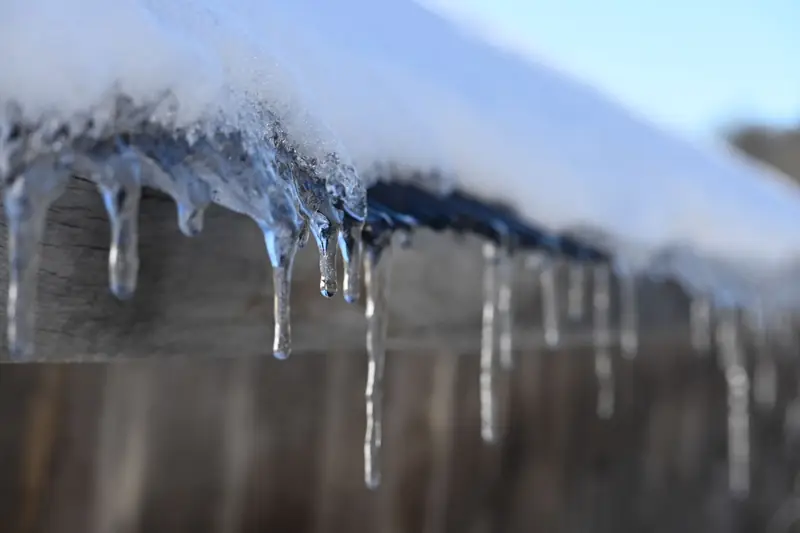
- Melting snow from an ice dam in the first stage
For many Spokane homeowners this is the winter story: a pipe splits in a hard freeze and the line is carrying clean water through the walls. The related guides on frozen pipes and the water heater leak cover the first steps.
Clean water is the easiest to deal with. Carpet, pad and many building materials can often be dried in place, and the crew does not need heavy protective gear beyond gloves and sensible work clothes.
Not sure how bad it is? A short call usually tells you.Have your ZIP code ready. A local restoration pro answers.
Call (509) 555-0134Category 2: gray water in a home
Category 2 water has picked up something on the way, or comes from a source with some contamination in it.
- Washing machine discharge and overflow
- Dishwasher overflow
- Water from a toilet bowl that holds urine but no feces
- Aquarium or waterbed leaks
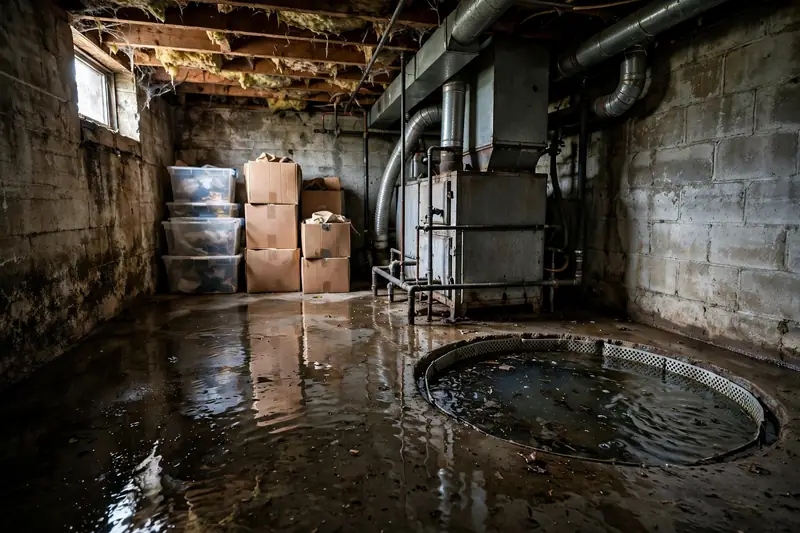
- Sump pump failure that lets groundwater and soil into the space
- Clean water that has sat long enough, or crossed dirty surfaces, to degrade
Gray water is the middle ground, and it is where homeowners get surprised. A washing machine hose that fails is a common appliance leak, and the first reaction is to mop up and run a fan. That can leave contaminated moisture in carpet pad and baseboards.
Category 3: black water in a home
Category 3 is the most hazardous. It can carry bacteria, viruses and other pathogens.
- Sewage from a backed up main line or a toilet overflow that includes waste
- Water from a flooded creek, river or ground-surface flooding
- Water that has entered through the ground and carries soil, fertilizer or chemicals
- Standing water that has been left long enough to grow heavy bacterial contamination
- Wind-driven rain with heavy outside debris that enters through a damaged structure
In the Spokane area, black water arrives in two main ways. One is an old clay or cast-iron sewer lateral that fails in an older neighborhood, and the other is spring snowmelt pushing water into a basement from outside. The guide on what to do after a sewage backup and the sewage cleanup service page describe how that kind of job runs.
How the category changes what gets removed
The category tells the crew what can be cleaned and what has to go.
| Category 1 | Category 2 | Category 3 | |
|---|---|---|---|
| Carpet | Often dried in place | Often cleaned, sometimes removed | Removed and discarded |
| Carpet pad | Often dried or replaced | Usually removed | Removed and discarded |
| Drywall | Dried when possible | Wet sections often cut out | Wet sections cut out and removed |
| Insulation | Often dried | Usually removed | Removed |
| Hard surfaces | Cleaned and dried | Cleaned and disinfected | Cleaned, disinfected and checked |
| Solid wood framing | Dried | Cleaned and dried | Cleaned, treated and dried, with testing sometimes advised |
Porous materials soak contamination up and hold it. Hard, nonporous surfaces can be washed. That single idea explains most of the list above.
Need someone to look at it today?Tell them your ZIP and what happened. A local pro picks up.
Call (509) 555-0134How the crew protects itself
The higher the category, the more equipment goes on before anyone steps inside.
- Category 1: gloves, boots and standard work clothing.
- Category 2: gloves, eye protection, boots and often a disposable coverall.
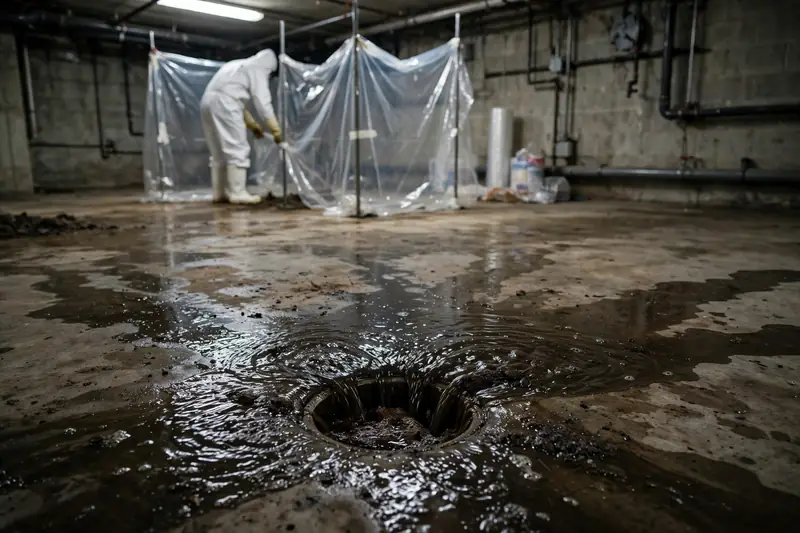
- Category 3: a full protective suit, waterproof boots, gloves taped at the cuffs, eye protection and a respirator rated for the conditions. Fans and air movers are used carefully so contaminated air and droplets are not pushed into clean parts of the house.
A crew may also set up containment, which is plastic sheeting and negative air to keep the contaminated area sealed from the rest of the home. Wet waste goes into heavy bags and is disposed of properly, not into your trash cans.
You can see why a careful estimate lists the category, and why sewage jobs take more labor than a clean pipe break.
Water still spreading? Talk to a local restoration pro now.Have your ZIP code ready. A local restoration pro answers.
Call (509) 555-0134How water changes category over time
The category is not fixed on the day the water arrives. The IICRC standard recognizes that water can degrade as it sits, as it touches soil and dirty materials, and as temperature allows bacteria to grow. A clean water leak that goes unnoticed in a warm, closed crawlspace can start as category 1 and be treated as category 2 by the time anyone sees it.
Published sources give different time frames for this shift, and the real answer depends on temperature, contamination and what the water has touched. The practical lesson is not a number of hours. It is that you should start extraction and drying early, and that the crew will reassess the water as they work.
Contact with other things matters as much as time. Clean water that runs across a dirty floor, through a basement with old soil, or into an area with mold or animal droppings may need to be handled at a higher category from the start.
Category versus class
Categories are about contamination. A separate scale, called class, describes how fast the water will evaporate and how much was absorbed. The two work together, and the crew sets drying equipment by class while setting safety and removal by category. The water damage restoration page explains how that planning works across a whole job.
What affects the cost
Without giving a figure here, the main cost drivers are the category, the square footage that got wet, the materials that must be removed, whether the area is finished or unfinished, how long the water sat and the amount of protective work involved. A category 3 job generally needs more labor and disposal than a category 1 job of the same size. The company that inspects your home should give you a written figure before work begins.
What to do before the crew arrives
- Stop the source if you can do so safely, and turn off power to wet areas if there is any chance of contact with outlets or cords.
- Keep children and pets away from standing water, and do not use fans if you suspect sewage.
- Take photos of the water and the damage before anything is moved.
- Do not walk through suspect water more than you must, and wash well after any contact.
- Call a licensed restoration crew and tell them where the water came from. That detail helps them bring the right gear.
If anyone feels ill after contact with sewage or flood water, call your doctor, and call 911 in an emergency.
Water still spreading? Talk to a local restoration pro now.Have your ZIP code ready. A local restoration pro answers.
Call (509) 555-0134Sources and official resources
Homeowner guides
Keep reading
FAQ
Common questions
Straight answers to what Spokane homeowners ask most. Still unsure? Call and ask a local pro.
Call (509) 555-0134Is category the same thing as class?
No. Category describes how contaminated the water is. Class (1 through 4) describes how much water the materials absorbed and how hard they will be to dry. A job can be clean water and still be a heavy, slow-drying class.
Can clean water be made safe again after it turns gray?
Not by waiting or by wiping it up. Once a loss has been classed as category 2 or 3, the crew treats the affected materials according to that category, which often means removal of porous items rather than cleaning them in place.
Who decides which category my water is?
The restoration company that inspects your home makes the call, based on the source, how long the water sat, what it touched and sometimes the smell and appearance. You can ask them to explain how they reached it and to write it on the scope.
Does a higher category mean my insurance pays less?
Not as a rule. Coverage depends on the cause of the loss and the wording of your policy. Some policies treat sewer backup separately, so it is worth asking your agent before you need the answer.
Can I clean up gray water myself?
Small, contained spills sometimes can be handled with care, but a washing machine or dishwasher overflow that soaked carpet and drywall is usually better left to a crew with the right gear and disposal methods.
Water where it shouldn't be?
Call now and a licensed restoration pro near you can walk you through the next hour and set up a visit.