Homeowner guide
Mold Remediation Costs in Spokane Explained
What goes into the cost of finding, containing and removing mold in a Spokane-area home, and which parts of the quote are worth questioning.
Have your ZIP code ready. A local restoration pro answers.
Updated November 11, 2026 · 5 min read
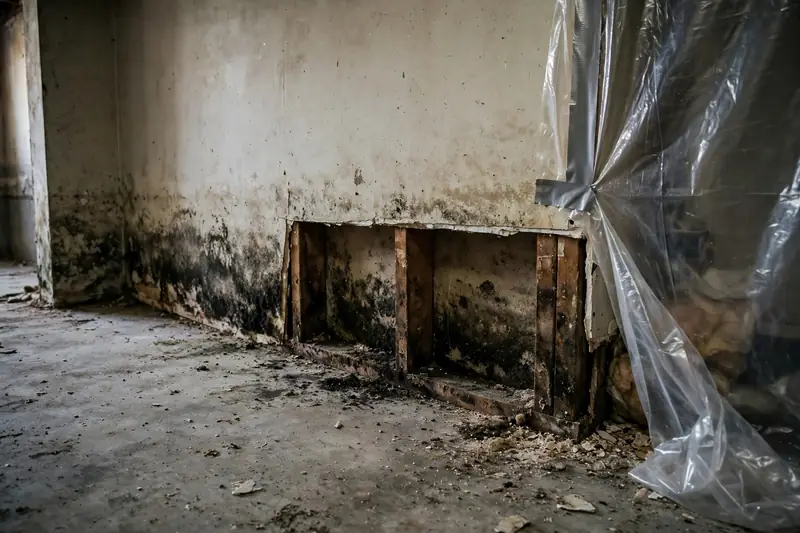
Mold remediation costs vary with how much area the growth covers, how deep it went into framing and insulation, how much containment the job needs and where it is. A small patch on a bathroom ceiling is a modest job, while growth in a wall cavity, an attic or a crawlspace is far larger. The remediation company gives you the real figure in writing after an in-person look, and the wide spread comes from what is hidden, not what you can see on the surface.
Water still spreading? Talk to a local restoration pro now.Have your ZIP code ready. A local restoration pro answers.
Call (509) 555-0134What changes the cost of mold remediation
| Cost factor | Pushes cost up when | Keeps cost down when |
|---|---|---|
| Size of the area | Growth spreads across a room or beyond | A small patch stays contained |
| Depth | It reached wall cavities, insulation or framing | It sits on a painted surface |
| Containment | Plastic barriers and negative air machines are needed | The area is small and isolated |
| Location | Attics and crawlspaces demand tight, suited-up work | A bathroom or bedroom with easy access |
| Materials | Drywall, insulation and flooring must come out | Surfaces can be cleaned in place |
| Moisture source | The leak or humidity problem is still active | The cause is fixed before work begins |
| Testing | Sampling and clearance tests are added | The growth is obvious and needs no test |
| Rebuild | Drywall, insulation, trim and paint follow | Cleaning alone is enough |
Rebuild is separate. Drywall, insulation, trim and paint after the mold is gone are billed as repairs on top of remediation.
How the details play out in Spokane homes
Size and depth. Surface growth on a painted wall is simple. Growth inside a wall cavity, under flooring or in insulation means demolition, and demolition means more containment.
Containment. Larger jobs need plastic barriers, negative air machines and HEPA air scrubbers so spores do not spread to clean rooms. The more containment, the higher the labor and equipment time.
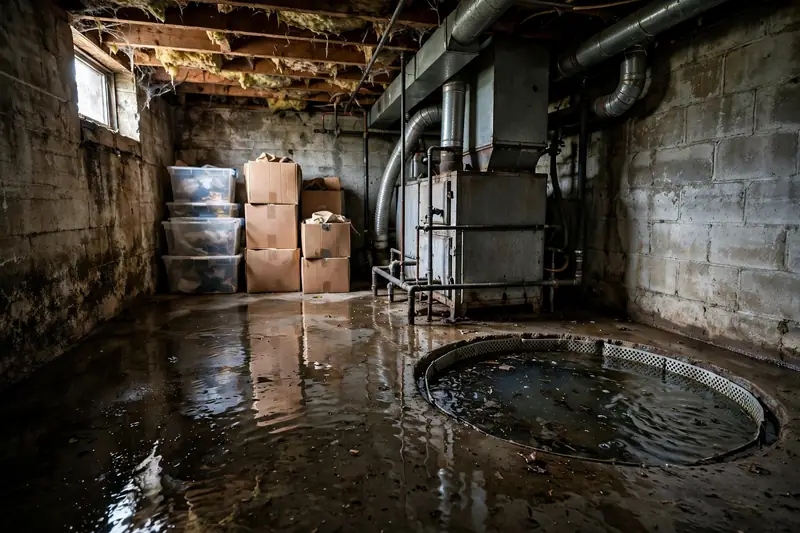
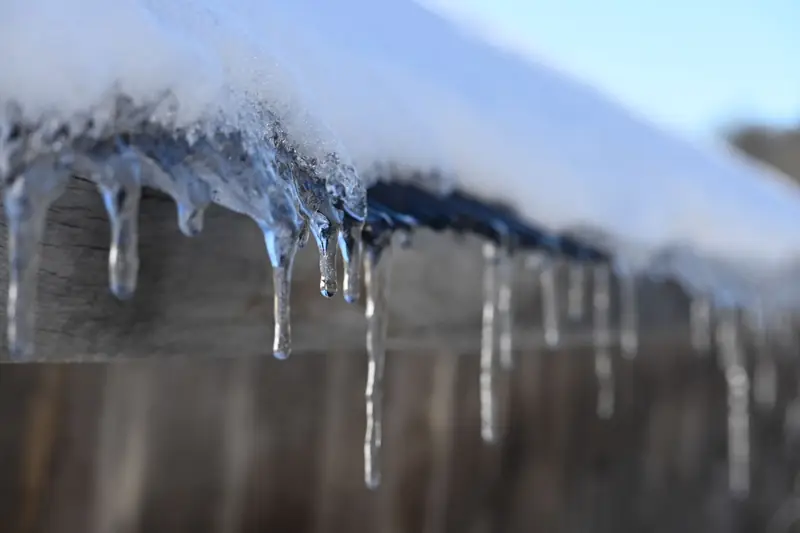
Location. Attics and crawlspaces cost more because crews work in tight, awkward spaces in protective gear. In Spokane, attic mold often follows ice-dam winters or poor bathroom fan venting, and crawlspace mold follows spring snowmelt and standing water. If you are across the state line, the process is the same in Coeur d'Alene, though a different county handles any permits. On the South Hill, older homes with plaster, basements and original plumbing can hide slow leaks for years before a stain shows.
The cause. If the leak or humidity source is still active, no remediation will hold. Fixing a leaking pipe or a roof penetration may be a separate trade and a separate bill.
Not sure how bad it is? A short call usually tells you.Have your ZIP code ready. A local restoration pro answers.
Call (509) 555-0134Line items on a mold estimate
| Estimate line item | What it covers |
|---|---|
| Containment setup | Poly sheeting and zipper doors that seal off the work area |
| Negative air and HEPA scrubbing | Machines that filter spores and keep air flowing into the work zone |
| Drywall removal | Cutting out affected board, priced by area |
| Insulation removal | Bagging and disposing of contaminated insulation |
| HEPA vacuuming and framing cleanup | Wire brushing or sanding of studs and joists |
| Antimicrobial or sealer application | Treatment of cleaned wood and surfaces |
| Debris bagging and disposal | Sealed removal of waste |
| Testing and clearance | Sampling before or after, often done by a separate party |
An estimate with only a price per room and no scope is incomplete. Ask what is included.
How insurance usually handles mold
Policies vary a lot. Many homeowners policies pay for mold only when it results from a covered sudden event, such as a pipe that burst, and some cap mold coverage at a fixed limit or exclude it. Mold from a long, slow leak or from humidity is usually not covered. Read the mold section of your policy, and call your agent before you start work. Your deductible applies, and for many small jobs the written estimate sits near or below it.
How to avoid overpaying
- Get the lab report and photos. If testing is done, ask to see the sample locations and the lab results, not only a summary.
- Ask for a written scope. It should name the rooms, the materials to be removed and the containment plan.
- Be wary of one-visit fear pricing. A technician who pushes the biggest scope before opening a single wall is guessing.
- Check registration. Washington contractors should be registered with the Department of Labor & Industries, which you can verify online, and Idaho contractors register with DOPL.
- Request an itemized, Xactimate-style estimate. It helps your insurer compare scope to their own.
If you are unsure whether you need testing first, read mold testing vs mold remediation. If the growth is under the house, see the crawlspace water damage cost guide. Our mold remediation service page explains what the work involves.
Need someone to look at it today?Tell them your ZIP and what happened. A local pro picks up.
Call (509) 555-0134A worked example: the bathroom that never got a fan
Take a 1960s Spokane Valley home with a bathroom that vented into the attic through a loose duct. After a few winters the sheathing above it turned black and the ceiling drywall started to stain. The scope was containment of the bathroom, removal of the ceiling drywall and wet insulation, HEPA cleaning and sealing of the roof deck, a new fan ducted to the exterior, and clearance testing. Remediation was the largest line on the invoice, the fan and ducting a small add-on, and drywall and paint finished the job. Fixing the vent was the cheapest item and the one that mattered most.
Why prices for the same room vary
Two companies can quote the same bathroom at very different numbers. One bills a day of containment and two days of labor. The other bills for a lot of demolition and a week of air scrubbing. Neither is automatically wrong, so ask each to explain the reasoning behind its scope. A crew that can show moisture readings and a map of where the growth stops is easier to trust than one that cannot.
What to do right now
- Turn off the water if a leak is feeding the mold.
- Do not scrub or spray dry mold. Disturbing it sends spores into the air.
- Run a dehumidifier in the room and keep the door closed.
- Wear an N95 mask if you must be near it, and keep children and pets out.
- Photograph the growth and any stains before cleanup.
- Call a local restoration pro for an inspection.
Water still spreading? Talk to a local restoration pro now.Have your ZIP code ready. A local restoration pro answers.
Call (509) 555-0134Sources and official resources
Related
Services and areas for this guide
Homeowner guides
Keep reading
FAQ
Common questions
Straight answers to what Spokane homeowners ask most. Still unsure? Call and ask a local pro.
Call (509) 555-0134Do I need a mold test before I hire a remediation company?
Not always. If you can see and smell mold, testing may add little. A test helps when the source is unclear, when an insurer asks for proof, or when you want a clearance result after the work.
Can bleach fix mold on drywall?
Bleach does not penetrate porous material like drywall or wood, so growth often returns. Small surface spots on hard, non-porous surfaces are a different case. Wet drywall with mold is normally cut out and replaced.
Is a company that does testing and removal a conflict of interest?
It can be. Many homeowners prefer that the party who writes the plan and the party who clears the job are different. Ask who signs off on the final result.
Will mold come back after remediation?
It will if the moisture source is not fixed. A good scope includes finding the leak, humidity problem or wet crawlspace that caused the growth.
Should I stay in the house during remediation?
For small areas, many people do. For larger jobs, the crew will use containment and negative air, and you may want to stay elsewhere if anyone at home has asthma or a weak immune system. Ask your doctor about specific health concerns.
Water where it shouldn't be?
Call now and a licensed restoration pro near you can walk you through the next hour and set up a visit.