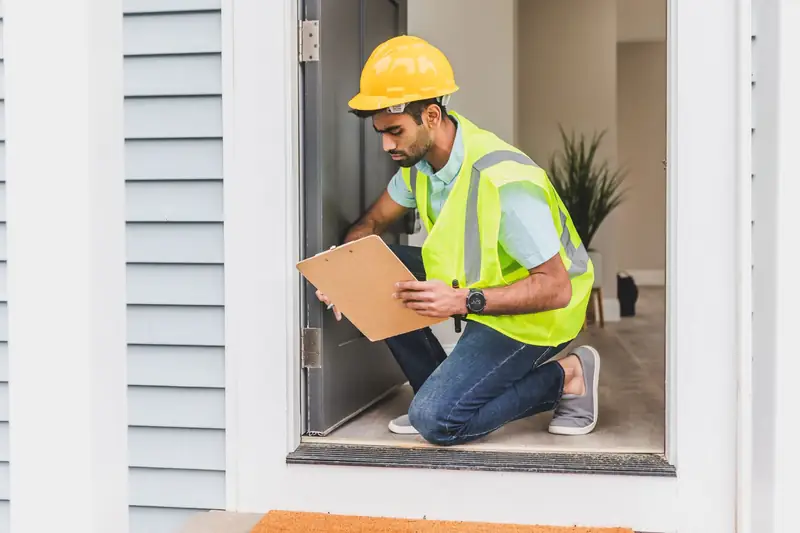
Homeowner guide
What an Insurance Adjuster Looks For on a Water Damage Claim
The adjuster is trying to answer a handful of questions about your loss. Knowing them ahead of the visit lets you hand over the right proof.
Have your ZIP code ready. A local restoration pro answers.
Updated November 12, 2026 · 6 min read
An adjuster checks five things on a water claim: what caused the water, whether it was sudden or gradual, whether the home was maintained, how far the damage spread, and how quickly you acted to limit it. Everything else on the visit feeds into those questions. This is general information, not legal or insurance advice, and your own policy governs.
The adjuster's job in plain terms
The adjuster works for your insurer, or for a firm hired by them. Their task is to decide whether the loss falls under the policy and to estimate what it takes to put the home right. They are not your enemy and they are not your advocate. They are checking facts against policy language.
If you want a primer on the coverage side first, the guide on whether homeowners insurance covers water damage in Washington covers the sudden versus gradual rule and common exclusions in depth. This page is about the inspection itself.
Cause and source
The first thing the adjuster wants is the origin of the water. A split supply line, a failed washing machine hose, a tank that gave way and a roof opened by a storm are all sources they can name and photograph.
They will ask where it started, what failed and how you know. A plumber's invoice or note, plus the failed part itself, answers this far better than a verbal explanation. If the source cannot be identified, expect more questions.
Not sure how bad it is? A short call usually tells you.Have your ZIP code ready. A local restoration pro answers.
Call (509) 555-0134Timing: sudden or gradual
This is the question that decides most claims. A pipe that burst last Tuesday reads very differently from a leak that has been feeding a stained wall for months.
The adjuster looks for clues of age:
- Rust, mineral crusting or green corrosion on fittings
- Dark, layered staining on framing or subfloor
- Soft or rotted wood under a long-term drip
- Mold growth beyond what a few days could produce
- Rings or tide lines on drywall, showing repeated wetting
Mold alone does not prove a slow leak, because a sudden loss that sits wet can grow it too. That is one reason fast drying matters, and why the record of when you found the problem matters.
Maintenance and condition
Policies commonly exclude wear, deterioration and neglect. The adjuster may ask how old the plumbing, the water heater and the roof are, whether anything was repaired or ignored, and whether the house was heated during cold weather.
In older Spokane neighborhoods this can come up often. Original galvanized supply lines or a clay sewer lateral have a long life, and an adjuster may ask whether anyone had flagged them. Answer plainly and do not guess at facts you do not know. A note from your plumber about the line's condition before the loss is useful if you have one.
Moisture readings and the extent of the damage
The adjuster, or the restoration crew they accept data from, will check how far the water traveled. Tools include a pin or pinless moisture meter, a thermal camera and a hygrometer. Readings from wet areas are compared with readings from unaffected materials of the same type.
This matters for two reasons. First, it shows the real footprint of the loss, including damage behind baseboards and under flooring that you cannot see. Second, it supports what needs to be removed and what can be dried in place. Dated moisture logs kept by the crew over the drying period are strong evidence for both. The page on water damage restoration explains how a crew builds those records.
Need someone to look at it today?Tell them your ZIP and what happened. A local pro picks up.
Call (509) 555-0134Photos and video
Photos are how the adjuster understands what happened before they arrived. Useful images include:
- Wide shots of each affected room from two corners
- Close shots of the damage, with a tape measure or a common object for scale
- The failed part and the spot where water entered
- The water line on walls and furniture
- Serial plates and labels on damaged appliances and electronics
Take them before you move or clean anything, and keep the original files with their dates intact. Short video walk-throughs with you narrating what you see work well too.
Water still spreading? Talk to a local restoration pro now.Have your ZIP code ready. A local restoration pro answers.
Call (509) 555-0134Mitigation started promptly
Most policies carry a duty to protect the property from further harm after a loss. The adjuster will check when the water was found, when it was stopped and when extraction and drying began.
They are looking for reasonable, timely action. Hiring a licensed crew for emergency water extraction quickly is generally seen as exactly that. Long delays, on the other hand, can lead an insurer to argue that some of the damage grew because nothing was done. Keep every receipt and a simple timeline.
The itemized estimate
Adjusters typically write their own estimate for the repair, often in software that uses standard unit pricing for the region. A contractor's estimate may use different line items, quantities or methods. The two rarely match on the first pass.
A good estimate from the restoration crew separates:
- Extraction and tear-out
- Equipment and monitoring days
- Antimicrobial or cleaning work, if any
- Rebuild items measured by square footage or linear footage
- Contents handling, if applicable
When the adjuster's figure comes in lower, ask which items were changed and why. Differences often come from missing line items, different material grades or a different view of what could be dried rather than replaced. The comparison between mitigation and rebuilding, laid out in the guide to mitigation versus restoration, helps you read these side by side.
How to prepare before the visit
- Write a one-page timeline: when you noticed the water, who you called, what you did and when.
- Gather the photos and video into one folder.
- Set aside the failed part, such as a hose or a fitting, in a labeled bag.
- Collect plumber or contractor invoices and any written findings.
- Pull together past maintenance records, the age of key systems and any prior repairs.
- List damaged contents with approximate age, brand and where you bought them.
- Have your policy number and declarations page on hand.
- Ask the restoration crew to be available, or to send their moisture logs, so the adjuster sees one consistent story.
What to keep afterward
Keep a claim folder, on paper or in cloud storage, with everything above plus:
- Every email and letter from the insurer
- A log of phone calls with dates, names and what was said
- Receipts for hotel stays, temporary repairs and equipment
- The adjuster's written estimate and any revisions
- Final drying logs and a written close-out from the crew
- Photos of the finished repair
Hold on to these for as long as your insurer and your own records require.
During the visit
Be factual. If you do not know something, say so rather than filling a gap. Show everything, including the parts of the loss that look minor. Ask what the adjuster still needs from you and when a decision is likely. Do not sign a final release until you are confident hidden damage has been checked. If the adjuster and your contractor disagree about scope, ask for the explanation in writing.
Washington resources
The Washington Office of the Insurance Commissioner regulates insurers in the state and offers free consumer information and a complaint process. If a claim is stalled, unclear or denied, it is a reasonable place to ask questions. For contractor registration, Washington's Department of Labor & Industries has an online lookup. Whether to involve an attorney or a public adjuster is your decision, ideally made with proper advice.
Cost and what it means for the claim
What a job costs depends on the water category, how much area is affected, what materials are involved and whether a rebuild follows the drying. A written estimate from the inspecting company gives you the real figure. If that figure sits near your deductible, you may weigh whether to file at all, and the water damage restoration cost guide can help you think about that.
Water still spreading? Talk to a local restoration pro now.Have your ZIP code ready. A local restoration pro answers.
Call (509) 555-0134Sources and official resources
Homeowner guides
Keep reading
FAQ
Common questions
Straight answers to what Spokane homeowners ask most. Still unsure? Call and ask a local pro.
Call (509) 555-0134Should I wait for the adjuster before I start drying?
Usually not. Most policies expect you to take reasonable steps to stop further damage, and waiting can let wet materials get worse. Photograph everything first, keep receipts, and tell your insurer what you are doing.
What if the adjuster says the damage was gradual?
Ask what evidence led to that conclusion and ask for it in writing. Moisture maps, the plumber's report and dated photos can all bear on how long the leak has been active.
Do I have to keep the ruined materials?
Keep what you reasonably can until the adjuster has seen it, and photograph and label the rest before it is hauled away. A ruined pipe section or a failed hose is often the best evidence of cause.
Can I give the adjuster my contractor's estimate?
Yes, and it often helps. An itemized scope from the crew that did the work shows what was removed and why. Expect the adjuster to compare it line by line with their own.
Where can I take a complaint about how my claim is handled?
The Washington Office of the Insurance Commissioner takes consumer questions and complaints about insurers and publishes guides for policyholders. Its website is insurance.wa.gov.
Water where it shouldn't be?
Call now and a licensed restoration pro near you can walk you through the next hour and set up a visit.