Homeowner guide
Sewage Backup Cleanup Cost in Spokane: What Drives It
Why sewage cleanup costs more than clean-water jobs, and what a fair written estimate for Category 3 water should look like in Spokane.
Have your ZIP code ready. A local restoration pro answers.
Updated November 11, 2026 · 4 min read
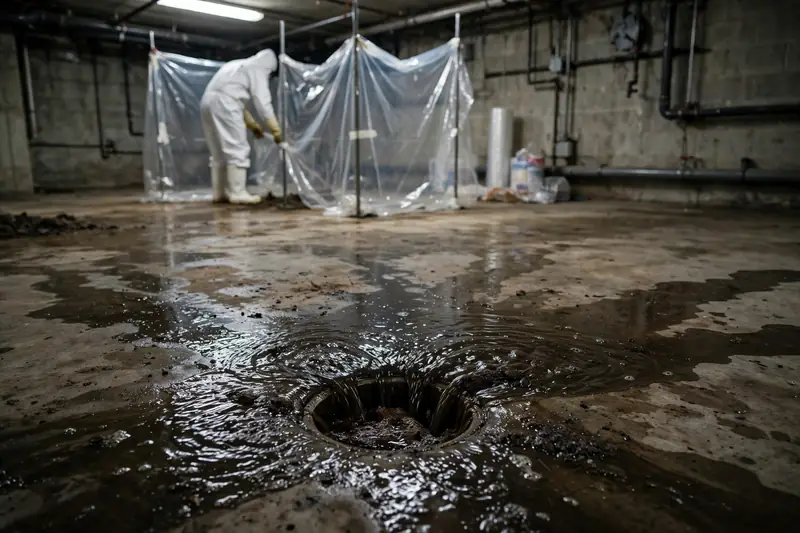
Sewage backup cleanup costs vary with how far the water spread, how long it sat and what it touched. This is Category 3 water, the most contaminated class, so crews treat it as a health hazard and remove and replace porous materials rather than dry them in place. A drain overflow on a sealed floor is a contained job, and a backup that floods a finished lower level is much larger. The inspecting company gives you the real figure in writing.
Water still spreading? Talk to a local restoration pro now.Have your ZIP code ready. A local restoration pro answers.
Call (509) 555-0134What changes the cost of a sewage cleanup
| Cost factor | Pushes cost up when | Keeps cost down when |
|---|---|---|
| Spread | Sewage wicked into drywall, insulation, carpet and cabinet bases | It stayed on a sealed concrete or tile floor |
| Contact time | Hours or days passed before cleanup, and odor set in | The crew arrived quickly |
| Finished vs unfinished | A finished lower level adds drywall, trim and flooring | A bare slab can be pumped and disinfected |
| Location | Sewage reached a crawlspace under the house | It stayed in a bathroom or basement drain area |
| Cause | A root-filled lateral or full septic tank keeps backing up | A single clog was cleared |
| Contents | Boxes, furniture and belongings must be discarded | Little was stored in the wet zone |
| Winter conditions | A frozen lateral or buried cleanout slows access | Mild weather and easy access |
The plumber's work, such as clearing the line or repairing a lateral, is a separate bill from the cleanup.
How the details play out in Spokane
How far it spread. Sewage that sits on a sealed concrete floor can be pumped, scrubbed and disinfected. Sewage that wicks into drywall, insulation, carpet and cabinet bases means demolition.
How long it sat. Contamination soaks deeper over time, and odors set into porous materials. Fast response limits the scope.
The cause. Spokane's older neighborhoods have homes from roughly 1890 to 1940 with clay sewer laterals that tree roots can crack and fill. Rural properties around Nine Mile Falls and north of the city near Mead often use septic systems, where a full tank or a failed drain field is the usual culprit. A plumber's fix is a separate cost from the cleanup.
Finished versus unfinished. A finished lower level adds drywall, trim, flooring and sometimes a bathroom to remove and rebuild.
Winter. In freezing weather, thawing a frozen lateral or reaching a buried cleanout can add time.
Not sure how bad it is? A short call usually tells you.Have your ZIP code ready. A local restoration pro answers.
Call (509) 555-0134Line items on a sewage estimate
| Estimate line item | What it covers |
|---|---|
| Extraction | Removing sewage and contaminated water, priced by area |
| Protective equipment and disposal | Suits, gloves and respirators, plus disposal of used gear |
| Porous material removal | Carpet, pad, drywall and insulation cut out and bagged |
| Disinfecting and antimicrobial treatment | Hospital-grade products on slab, framing and surfaces that remain |
| Drying equipment | Air movers and dehumidifiers by unit and by day, usually built into the job |
| HEPA air filtration | Air scrubbers running while the work is under way |
| Hazardous waste hauling | Licensed transport of contaminated debris |
| Odor control | Deodorizing treatment after the removal work |
How insurance usually handles it
Coverage depends on the cause. Many homeowners policies do not cover sewer or drain backup unless you added a water backup endorsement, which is often offered as an inexpensive add-on. If the sewage came from a covered sudden event, the cleanup may be paid minus your deductible. Insurance for flooding from outside typically needs a flood policy. Check your declarations page for a line that mentions water backup, and ask your agent before the crew starts. Save every receipt either way.
How to avoid overpaying
- Ask what is being removed and why. Each item should tie to a reading or a photo.
- Get an itemized written estimate before demolition, in the Xactimate style, so it can be compared with the adjuster's version.
- Check registration. Verify Washington companies with the Department of Labor & Industries online lookup, and Idaho companies through the Division of Occupational and Professional Licenses.
- Beware of anyone offering to simply spray and leave. A job that skips removal of soaked porous materials will smell again.
- Do the plumbing diagnosis in parallel, or the backup may return.
See the companion post what to do after a sewage backup for step-by-step safety. For the heavier end of contamination work, see the biohazard cleanup cost guide. Our sewage cleanup service page describes how crews handle the job.
Need someone to look at it today?Tell them your ZIP and what happened. A local pro picks up.
Call (509) 555-0134A worked example: the root-clogged lateral in an older neighborhood
Say a 1940s home with a clay sewer lateral backs up through the basement floor drain after a long wet spell. The family notices a smell first, then finds a couple of inches of dirty water across the unfinished floor and a laundry area. The plumber clears the line, runs a camera and finds roots at a joint. The cleanup crew extracts, removes wet storage boxes, disinfects the slab and walls, and runs air scrubbers for three days. The lateral repair is a separate decision and can be a larger bill than the cleanup itself.
Why this is not a do-it-yourself job
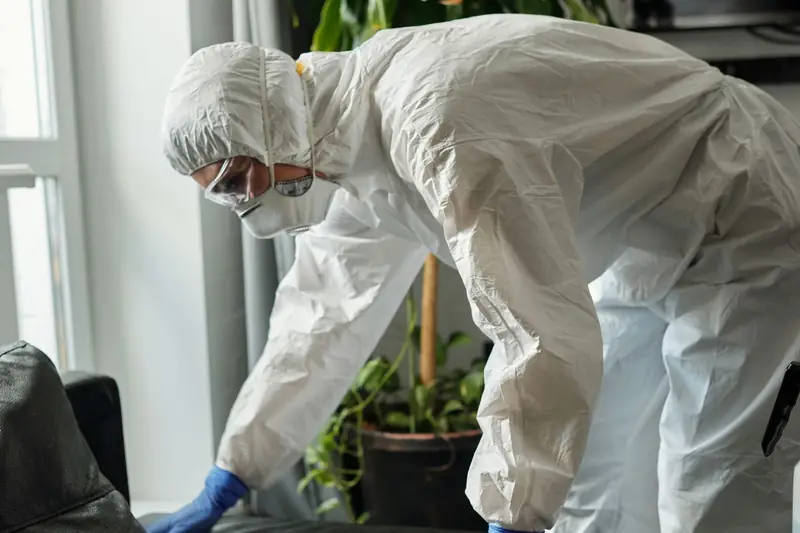
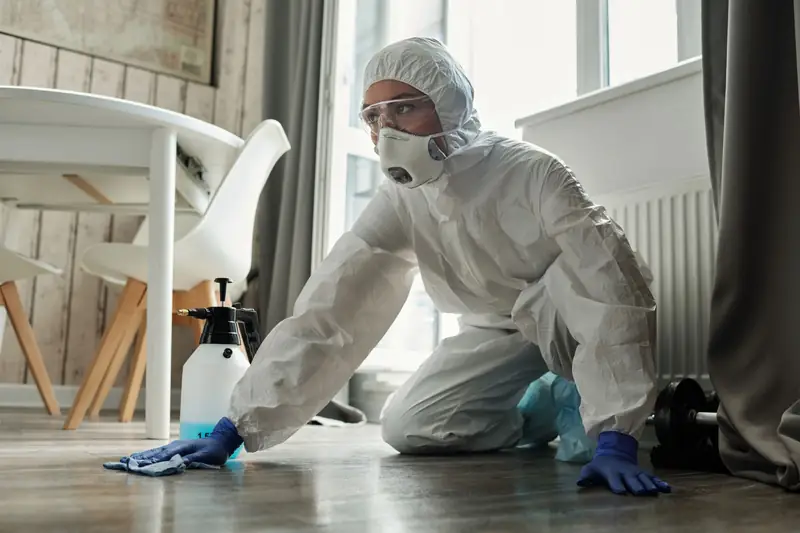
Sewage water can carry bacteria and viruses that survive on surfaces. Rubber boots, a mop and a bucket of cleaner do not make a porous surface safe. Professionals use containment, protective suits and hospital-grade disinfectants, and they follow industry procedures for Category 3 water. The price reflects that care, and so does the paperwork you receive at the end.
What to do right now
- Keep everyone out of the affected area, including pets.
- Do not use sinks, tubs or toilets if the backup is still active, since that sends more water into the system.
- Turn off power to the area if water is near outlets.
- Do not mix cleaning chemicals, and do not run a standard vacuum on wet sewage.
- Wash hands thoroughly with soap and water after any contact.
- Call a licensed crew near you.
Water still spreading? Talk to a local restoration pro now.Have your ZIP code ready. A local restoration pro answers.
Call (509) 555-0134Sources and official resources
Related
Services and areas for this guide
Homeowner guides
Keep reading
FAQ
Common questions
Straight answers to what Spokane homeowners ask most. Still unsure? Call and ask a local pro.
Call (509) 555-0134Why is sewage cleanup priced so much higher than a burst pipe?
Sewage carries bacteria and pathogens, so crews wear protective gear, remove porous materials that cannot be cleaned, and disinfect everything the water touched. That means more labor, more disposal and less salvage.
Can I keep my carpet after a sewage backup?
In most cases no. Carpet and pad that contacted sewage are normally removed and discarded because they cannot be reliably sanitized.
Who is responsible if the backup came from the city sewer main?
It depends on where the blockage was. If it is in the main line, the city may investigate, but proving fault takes time. Report it right away, and save any communication.
Is a septic system backup handled the same way?
The cleanup is similar, but the cause is different. Rural homes with septic tanks need the tank and drain field checked by a septic service as well as the interior cleaned.
Do I need to leave the house?
For anything beyond a small, contained spill, yes, particularly if anyone is very young, elderly, pregnant or has a weakened immune system. Ask your doctor about specific health concerns, and call 911 in an emergency.
Water where it shouldn't be?
Call now and a licensed restoration pro near you can walk you through the next hour and set up a visit.