Homeowner guide
Biohazard Cleanup Costs in Spokane Explained
A frank look at what drives the cost of specialized cleanup in the Spokane area after trauma, unattended death or heavy contamination.
Have your ZIP code ready. A local restoration pro answers.
Updated November 11, 2026 · 4 min read
Biohazard cleanup costs vary with how much material is contaminated, how long the fluids sat and how deep they went into flooring and structure. A small spill on hard flooring is a very different job from an unattended death where fluids reached the subfloor. The crew gives you the real figure in writing after seeing the space, and if you are dealing with this now, you do not need to figure it out alone.
Water still spreading? Talk to a local restoration pro now.Have your ZIP code ready. A local restoration pro answers.
Call (509) 555-0134What changes the cost of biohazard cleanup
A crew sets a firm price only after seeing the space. This table shows what pushes the figure in each direction.
| Cost factor | Pushes cost up when | Keeps cost down when |
|---|---|---|
| Time since the incident | Fluids sat for days or weeks and traveled deeper | The scene is found and addressed quickly |
| Materials involved | Carpet, pad, mattresses and subfloor must be removed | Hard tile or sealed flooring can be cleaned |
| Odor | Decomposition odor reached drywall, insulation or ducts | Little or no odor has set in |
| Size and layout | Fluids reached a lower level or several rooms | The area is one contained spot |
| Sanitation hazards | Hoarding, sharps or heavy debris must be cleared first | The space is otherwise tidy |
| Rebuild | Flooring and drywall must be replaced afterward | Cleaning alone is enough |
Cleanup and sanitizing are one scope. Rebuilding flooring and drywall is separate.
How the details play out in Spokane homes
Time since the incident. The longer fluids sit, the deeper they travel and the stronger the odor, which means more material removed.
Material. Hard tile can be cleaned. Carpet, pad, mattresses and upholstered furniture usually must go. Subfloor is sometimes cut out and replaced.
Odor. Decomposition odors lodge in drywall, insulation and ductwork. Deodorizing is its own line item and may take multiple treatments.
Size and layout. A bathroom is simpler than a bedroom, and a bedroom is simpler than a home with a finished basement below, since fluids can drip through floors.
Local factors. Older homes in neighborhoods such as West Central and Hillyard often have layered flooring, old linoleum over fir and thick plaster, which take more careful removal. Rural homes near Medical Lake or Hayden may be farther from disposal facilities, so travel and hauling can factor in. Winter does not change the process much, though a cold house slows odor and makes some treatments less effective.
Not sure how bad it is? A short call usually tells you.Have your ZIP code ready. A local restoration pro answers.
Call (509) 555-0134Line items on a biohazard estimate
| Estimate line item | What it covers |
|---|---|
| Scene assessment and photos | A walk-through that documents the extent of contamination |
| Protective equipment and decontamination | Suits, gear and the steps that keep contamination from leaving the scene |
| Removal of contaminated materials | Carpet, pad, mattress or furniture cut out and bagged |
| Subfloor work | Cutting out and replacing an affected section |
| Disinfectant application | Hospital-grade products on surfaces that stay |
| Waste packaging and transport | Sealed containers handled by a licensed hauler, with paperwork |
| Odor treatment and air scrubbing | Hydroxyl or ozone treatment and filtration |
| Content cleaning or disposal | Belongings cleaned, returned or discarded with permission |
How insurance usually handles it
Coverage depends on the cause and on your policy. Many homeowners policies treat cleanup after a sudden covered event as part of the claim, minus your deductible, and some provide specific coverage for crime scene or death cleanup. Others exclude it. A renter policy may cover your belongings but not the building. If the property is a rental you manage, the owner's policy is the one to call. When you phone your insurer, ask about the deductible and whether cleanup is billed directly or reimbursed. For sewage-related contamination specifically, see our sewage backup cleanup cost guide.
How to avoid overpaying
- Ask for a written scope listing what will be removed, treated and hauled away, before anyone starts.
- Ask how waste is disposed of and request the paperwork.
- Get an itemized estimate in the Xactimate style when insurance is involved.
- Verify registration through the Washington Department of Labor & Industries online lookup, or the Idaho Division of Occupational and Professional Licenses for Kootenai County work.
- Be wary of door-to-door offers after a news event. Choose the company yourself.
Our biohazard cleanup service page explains the process step by step.
Need someone to look at it today?Tell them your ZIP and what happened. A local pro picks up.
Call (509) 555-0134What happens on a typical visit
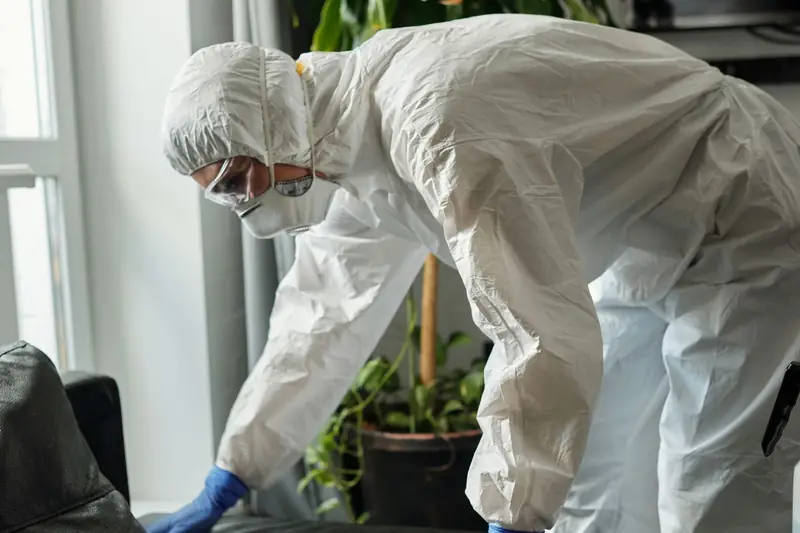
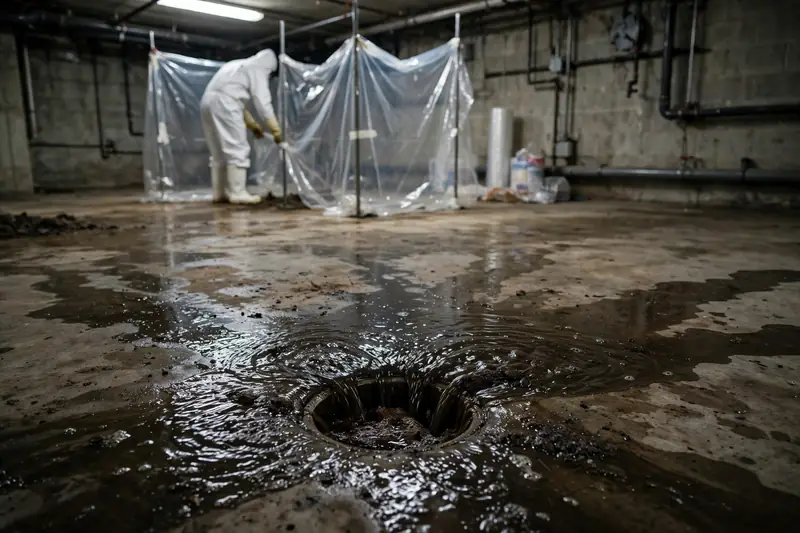
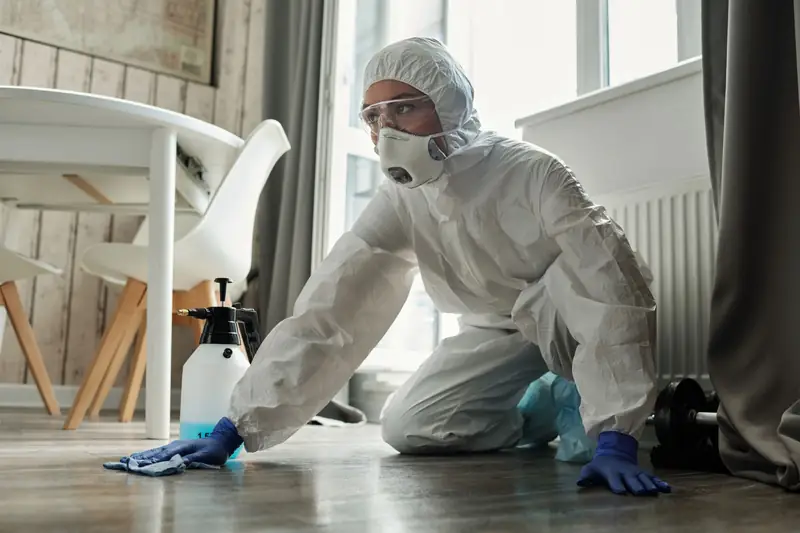
A crew usually starts by walking the space and photographing it. They set up barriers, suit up, and remove contaminated materials in sealed containers. Hard surfaces are cleaned and disinfected, and porous materials are cut out or discarded. Odor treatment follows when it is needed. Many jobs take one to three days, longer when the subfloor must be replaced or the odor is severe.
Respect and discretion
Specialized crews usually arrive in unmarked vehicles when asked, and they handle the work privately. If you have a preference, say so when you call. Families often appreciate being told what to expect before the crew arrives, including whether personal items can be saved, sent home or discarded with permission.
Questions to ask before you agree
Ask whether the quote is a range or a fixed figure, and what could change it once the crew opens the floor. Ask who is on the team and what training they have. Ask whether the crew will document the work for insurance. A reputable company will answer these without pressure.
What to do right now
- Call 911 first if anyone is injured or if you have found someone who has died.
- Leave the space and close the door. Do not clean it yourself.
- Keep children and pets out.
- Do not move fluid-soaked items or open windows unless safety requires it.
- Contact your insurer, then call a local crew.
If you need support, talk to your doctor or a crisis line.
Water still spreading? Talk to a local restoration pro now.Have your ZIP code ready. A local restoration pro answers.
Call (509) 555-0134Sources and official resources
Related
Services and areas for this guide
Homeowner guides
Keep reading
FAQ
Common questions
Straight answers to what Spokane homeowners ask most. Still unsure? Call and ask a local pro.
Call (509) 555-0134Will insurance pay for biohazard cleanup?
Often partly. Many homeowners policies cover cleanup after a covered event, and some cover it after a death in the home. Coverage varies, and renters policies differ. Call your insurer early and ask in plain terms.
Is there a government program that helps pay?
Some crime victim compensation programs may help with cleanup after a violent crime. Rules and caps differ, so check with Washington's crime victim programs or Idaho's equivalent.
Can family members clean it themselves?
It is not recommended. Blood and bodily fluids can carry pathogens, and porous materials soak through to the subfloor. Specialists use protective gear and approved disposal.
Who removes the waste?
Biohazardous waste has to be packaged and hauled by a licensed medical waste transporter. A legitimate crew will tell you how it is handled and will give you paperwork.
Do you have to be at home during the cleanup?
Usually not, and most families choose not to be. Some crews will work with an authorized contact who holds the key.
Water where it shouldn't be?
Call now and a licensed restoration pro near you can walk you through the next hour and set up a visit.