Homeowner guide
How Long Does It Take to Dry a House After a Pipe Burst?
Most clean-water jobs finish drying in three to five days, but hardwood, plaster, a wet crawlspace and a Spokane winter can all stretch the clock.
Have your ZIP code ready. A local restoration pro answers.
Updated November 12, 2026 · 5 min read
For a clean-water pipe burst, expect about three to five days of active drying once the water is shut off and standing water is out. Add days for hardwood, plaster, a wet crawlspace or a cold, humid house, and add time again if the water sat for more than a day. The job is finished when the moisture readings reach a dry standard, not when the calendar says so.
The short version of the timeline
Here is how a typical clean-water job unfolds in a Spokane home.
- Hour zero to a few hours: Water is shut off, standing water is extracted, and the crew photographs and maps the wet area.
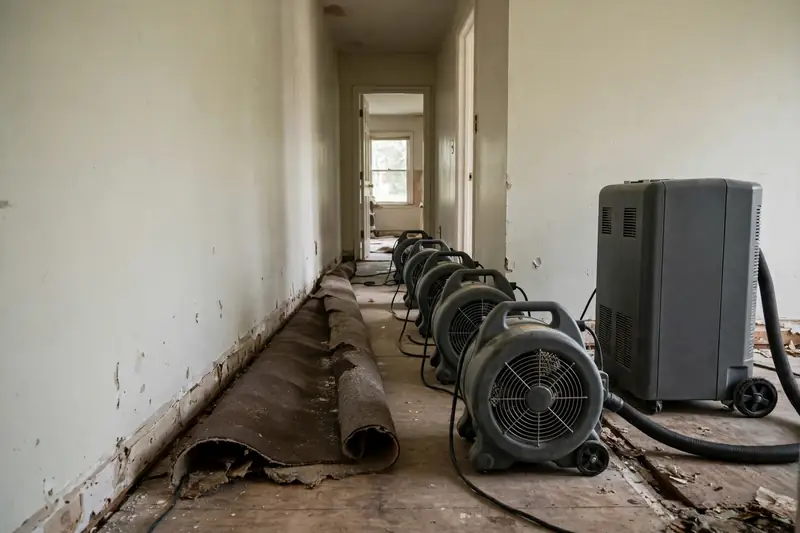
- Day one: Wet materials that will not dry are removed. These are usually soaked carpet pad, ceiling drywall that has sagged, and wet insulation. Air movers and dehumidifiers go in.
- Days two to four: Equipment runs while the crew returns to check readings, move machines and open up any spots that stay wet.
- Day three to five: Readings reach the dry standard, the crew removes the equipment, and the rebuild, if any, begins.
That sequence describes a straightforward job. Real houses rarely behave that tidily, which is why a crew gives you a range and tells you what it depends on after the first inspection.
What decides how fast things dry
How long the water sat
Water that was caught within an hour is a different job from water that ran for a weekend in an empty house. Longer exposure pushes moisture deeper into framing, subfloor and insulation, and the drying has to chase it. A leak that started inside a wall may have been wetting materials before anyone saw a stain.
The materials involved
Materials hold and release water at different speeds.
- Drywall and carpet pad are quick to soak and, if wet long enough, are often cheaper to replace than to dry.
- Carpet can sometimes be lifted, dried and reinstalled if the water was clean and it was caught early.
- Hardwood is a slow one. Boards absorb water, swell and can cup, and the drying has to be gentle to avoid cracking or buckling. Many hardwood floors need a week or more, and some cannot be saved.
- Plaster and lath, common in older homes in South Hill and Browne's Addition, is dense and takes longer to release moisture than modern drywall. It also behaves differently when it fails, so crews tend to open it carefully.
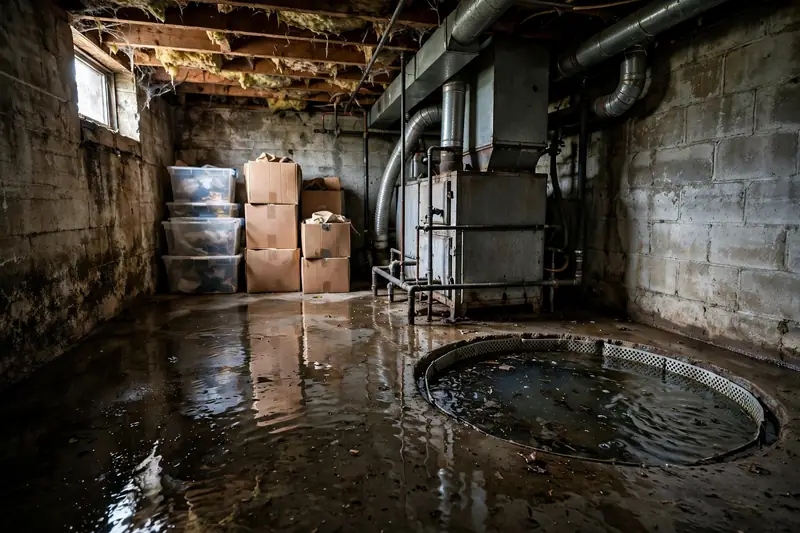
- Concrete and masonry hold water for a long time, particularly in basements.
- Insulation that gets soaked often loses its value and is replaced instead of dried.
Crawlspaces and basements
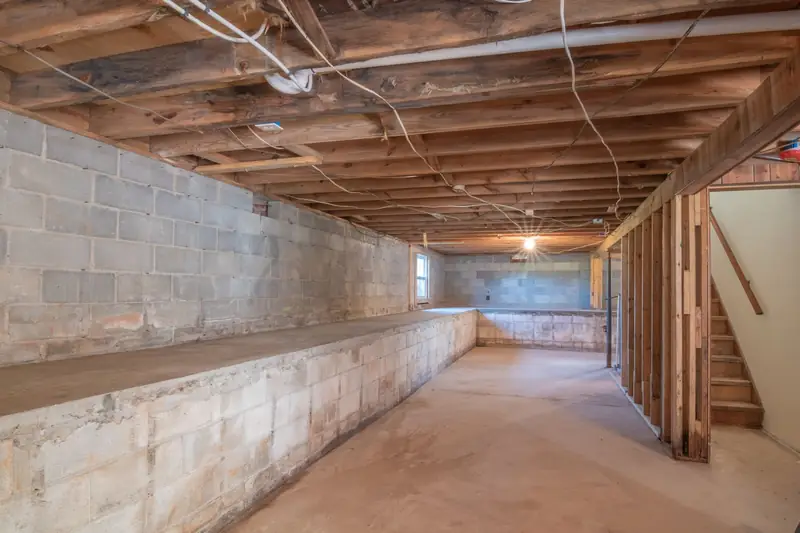
A wet crawlspace is a stubborn environment: bare soil, little airflow and cool temperatures. Water from a burst line above can drip into the space, soak the underside of the floor and stay there. Drying a crawlspace usually takes longer than drying a room, and a crew may use a vapor barrier or dedicated equipment to keep soil moisture from re-wetting the structure. Many mid-century homes in places like Spokane Valley have crawlspaces, so ask the crew to check under the affected area, not just above it.
Winter air, indoors
Cold air outdoors cannot be counted on to help, and opening windows in January does not dry a house. When a pipe breaks, water evaporates into the indoor air and raises humidity, and that moisture can condense on cold surfaces such as windows and exterior wall corners. The crew has to bring the interior air down to a drier state, and many dehumidifiers work poorly in a cold room.
Keep the heat on during drying. A house at a comfortable temperature dries faster than a cold one, and warm air accepts more moisture.
How big the affected area is
One wet bathroom is a different job from wet rooms on two floors. A larger area needs more equipment and more time to balance the airflow, and if water traveled into the floor system below or the ceiling beneath, the job grows in layers.
Not sure how bad it is? A short call usually tells you.Have your ZIP code ready. A local restoration pro answers.
Call (509) 555-0134How crews measure dry
Dry is a number, not a feeling. The crew sets a dry standard, then measures against it.
- Reference readings. The tech takes readings from an unaffected area of the same material, such as a dry wall on the other side of the house. That is the goal for the wet area.
- Moisture meters. A pin meter reads moisture at the surface of wood and drywall. A pinless meter scans a wider area without leaving marks.
- Thermal imaging. An infrared camera shows temperature differences that hint at wet spots. It does not measure moisture directly, so the crew confirms with a meter.
- Psychrometric readings. The tech measures temperature and humidity in the air to know how well the dehumidifiers are performing.
- Daily logs. Readings are recorded at the same spots each visit. When the numbers stop dropping or hit the standard, the equipment comes out.
The log also helps with insurance, because it shows what was wet, what was done and that the structure was dry when the work ended. Our water damage restoration page covers what the whole process looks like, and the guide on mitigation vs restoration explains the difference between drying and rebuilding.
Water still spreading? Talk to a local restoration pro now.Have your ZIP code ready. A local restoration pro answers.
Call (509) 555-0134Why stopping early causes mold
Pulling the equipment before everything is dry is the most common way a small pipe burst turns into a bigger problem. Wet drywall backing, damp insulation and soaked framing can look normal for a week. Meanwhile mold only needs a little moisture, a food source such as paper-faced drywall or wood, and a few days of the right conditions.
The growth starts where nobody is looking: behind baseboards, under flooring, inside the wall cavity beside a plumbing run. By the time a musty smell or a dark spot shows up, the material may be damaged and the cleanup is bigger than the original job. If it comes to that, the mold remediation page explains how containment and removal work.
A good habit is to ask for the final moisture readings before you agree to close up walls or reinstall flooring. A reputable crew will show you the numbers.
What you can do while the crew dries
- Keep the heat at a normal setting and leave interior doors open so air can move.
- Do not turn off the equipment, even if the noise is annoying.
- Keep children and pets out of the work area.
- Do not put furniture or boxes back against wet walls.
- Tell the crew if you notice a smell, a new stain or a cold spot.
Need someone to look at it today?Tell them your ZIP and what happened. A local pro picks up.
Call (509) 555-0134Cost, insurance and what affects both
The drying phase is usually priced by the number of rooms, the amount and type of equipment, and the days it runs, plus any demolition and disposal. The company that inspects your home gives you a written figure before the work starts. Many homeowners policies cover sudden and accidental water damage like a burst pipe, but they may not cover water that leaked slowly over weeks. Call your agent early, and see the burst pipe cleanup page for how the job usually flows.
Water still spreading? Talk to a local restoration pro now.Have your ZIP code ready. A local restoration pro answers.
Call (509) 555-0134Sources and official resources
Related
Services and areas for this guide
Homeowner guides
Keep reading
FAQ
Common questions
Straight answers to what Spokane homeowners ask most. Still unsure? Call and ask a local pro.
Call (509) 555-0134Can I just run fans and a dehumidifier from the hardware store?
For a small, fresh spill on a hard floor, that can be enough. For a burst pipe that wet carpet pad, drywall or insulation, household equipment rarely moves enough air or pulls enough moisture, and you cannot tell what is still wet inside the wall without a meter.
Why is the equipment so loud and why does it run all night?
Air movers and dehumidifiers work around the clock because moisture comes out of materials slowly and keeps coming as long as the air stays dry. Shutting them off overnight lets the walls release water back into the room and restarts the clock.
My floor feels dry. Why does the crew want more days?
The surface dries first. Water held in the subfloor, under the baseboard or in the wall bottom plate can stay damp for days after the top layer feels fine. The crew goes by meter readings in those hidden spots, not by touch.
Will drying raise my power bill?
It will use more electricity than a normal week, since several machines run continuously. Ask the company how many units they set and for how long, and mention it to your insurer in case it is part of the claim.
Can I move back in while equipment is running?
Often yes, if the work area is separated and the electrical is safe, though the noise and heat make it unpleasant. If sewage, mold or lots of demolition is involved, the crew may ask you to stay elsewhere until it is done.
Water where it shouldn't be?
Call now and a licensed restoration pro near you can walk you through the next hour and set up a visit.